Peak Nov–May
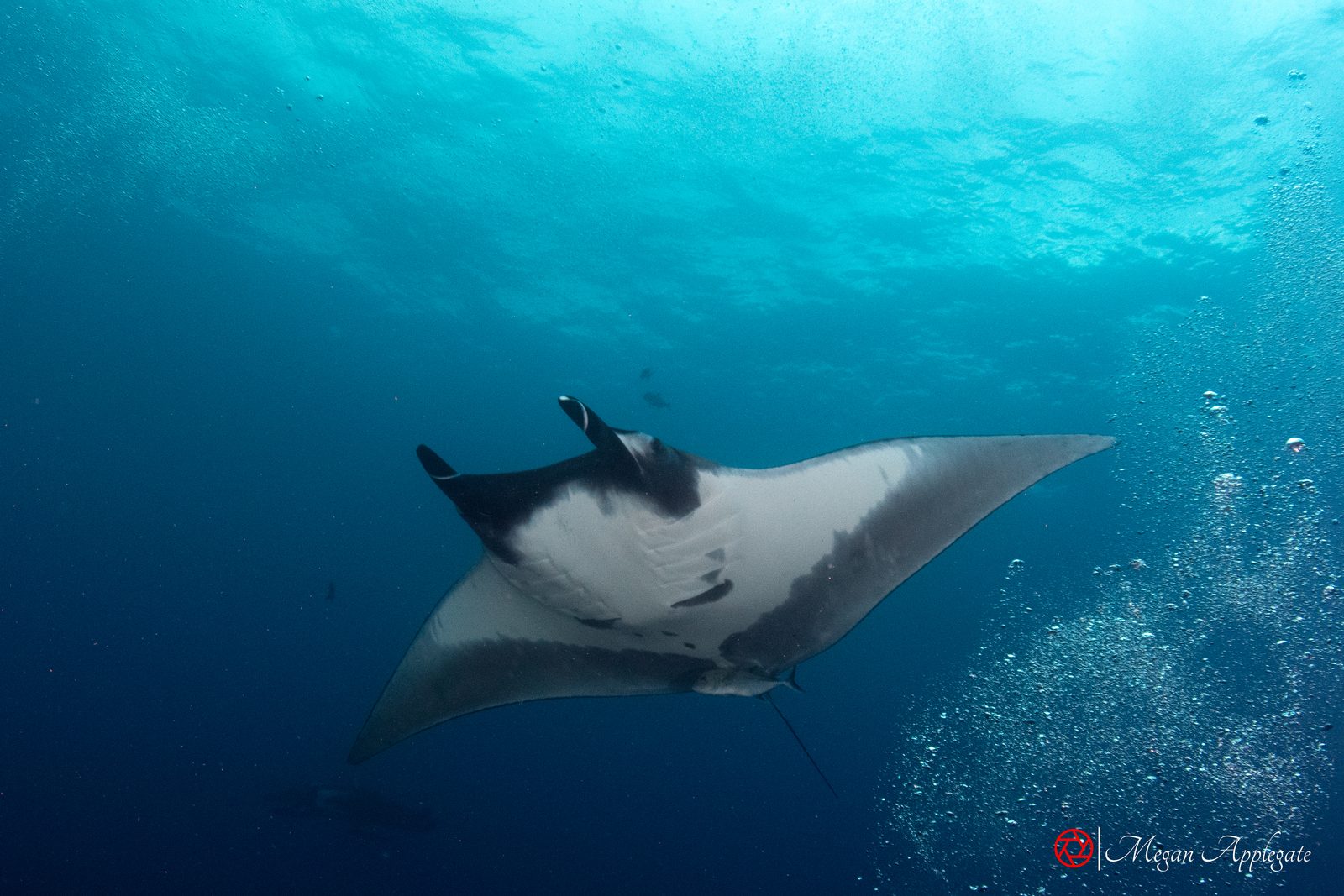
Giant oceanic manta
Seen all season, November to May (Bluewater Dive Travel), at the cleaning stations of the Boiler, El Cañón and Cabo Pearce (Divernet; Scuba Diving).
Revillagigedo National Park · Mexico
A field guide to the mantas, sharks, whales, dolphins, fish and birds of the Revillagigedo Islands, with where and when to look for each and links to go deeper.
Photo Megan Applegate (Socorro)
The Revillagigedo Islands are four volcanic islands, Socorro, San Benedicto, Roca Partida and Clarión, about 386 km southwest of the tip of Baja California (UNESCO). They became a UNESCO World Heritage Site in 2016 (UNESCO), and in 2017 Mexico closed 148,087 km² around them to fishing, its largest fully protected marine reserve (Pew 2018).
Divers come for some of the largest gatherings of giant oceanic mantas known (UNESCO), which come close to divers at the cleaning stations, for sharks, and for humpback whales and bottlenose dolphins (Divernet). The islands are reached only by liveaboard, about 24 hours from Cabo San Lucas, between November and May. Currents can be strong and seas rough; the diving suits experienced divers (Divernet; Scuba Diving).
Location
The sites named under “What divers report”, spread over three islands up to about 130 km apart.
Dive sites, from north to south
The site map works offline and prints. Satellite is interactive: zoom and drag, and tap or hover a pin for its name (it needs an internet connection). Positions are approximate. The Boiler and The Canyon are both off San Benedicto, but their exact positions are not published, so both pins point to the island. Other positions: NGA GeoNames. Coastline © OpenStreetMap contributors.
Seven field pages, with where and when to look for each species and links to go deeper.
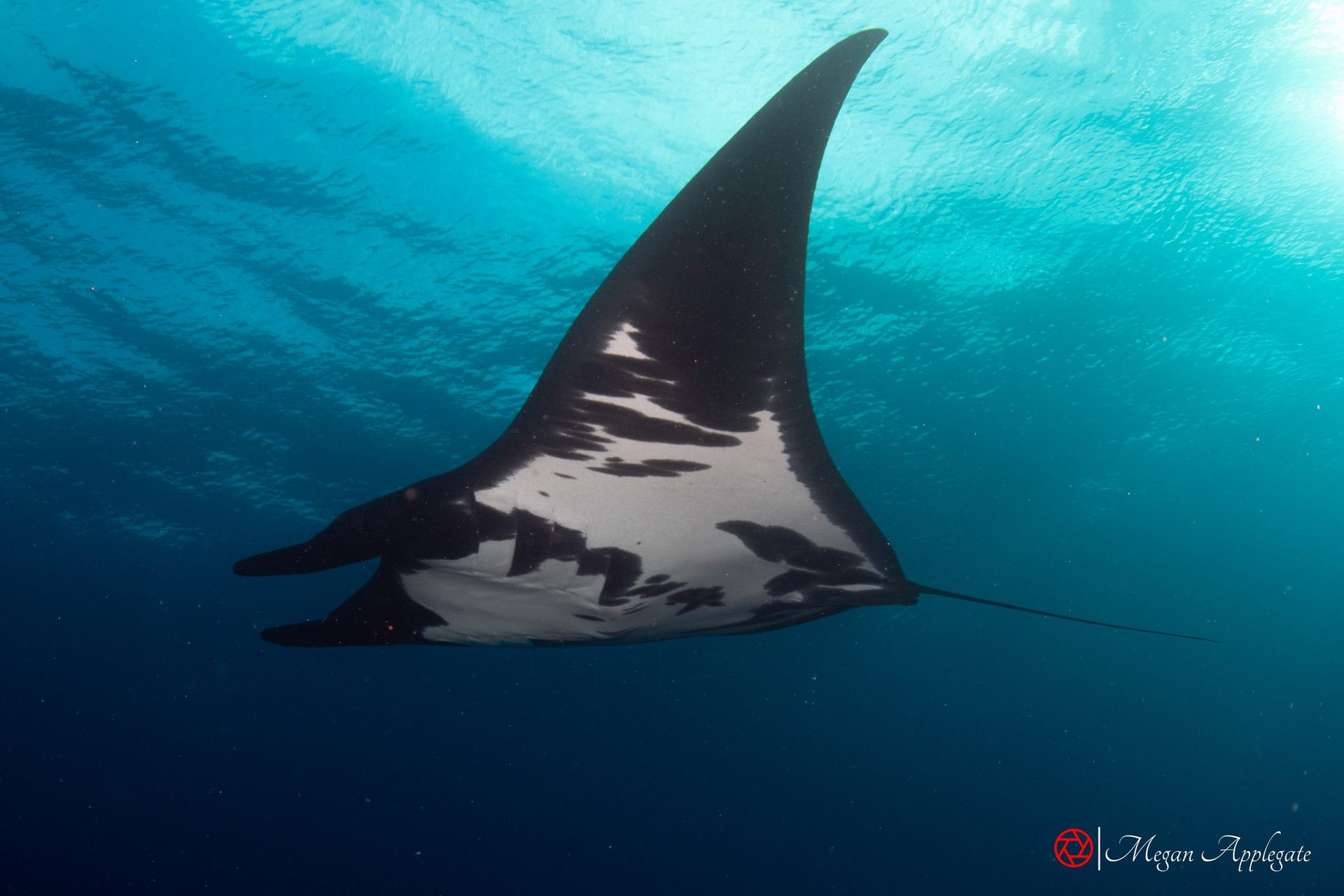
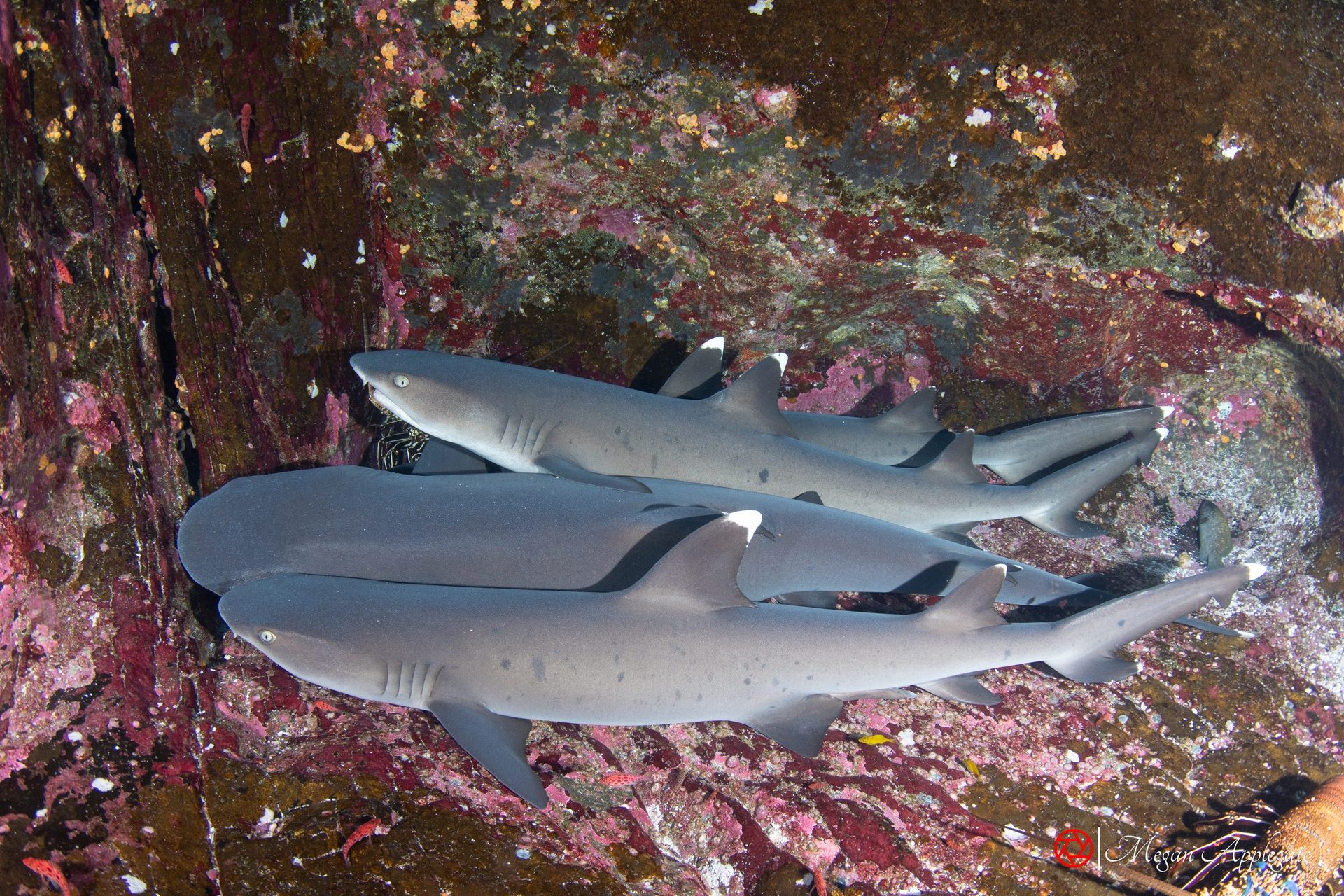
MantasThe giant oceanic mantasColour forms, the population, where to see them and how to behave.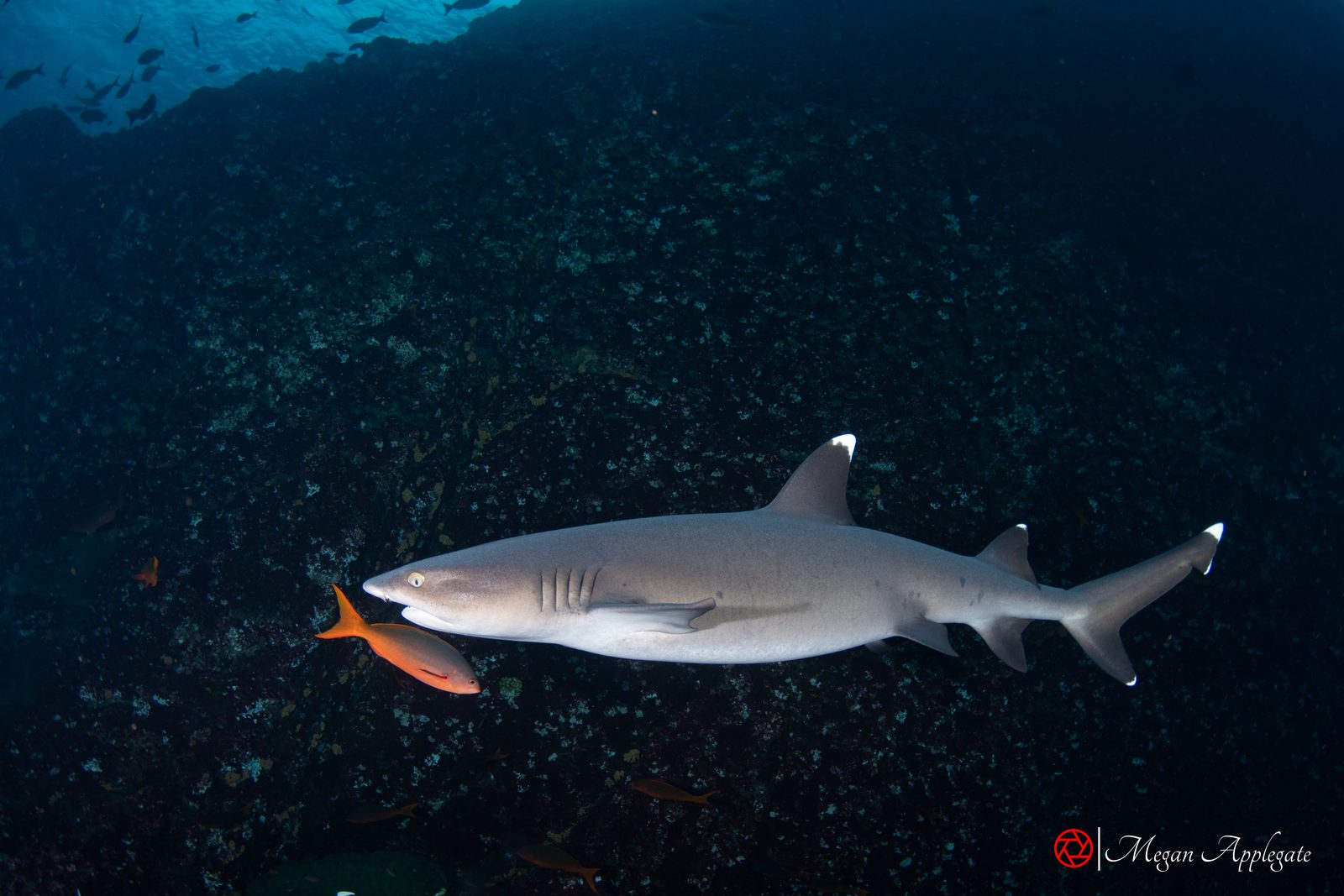 SharksEight sharksWhere and when to see each, and the marks that tell them apart.
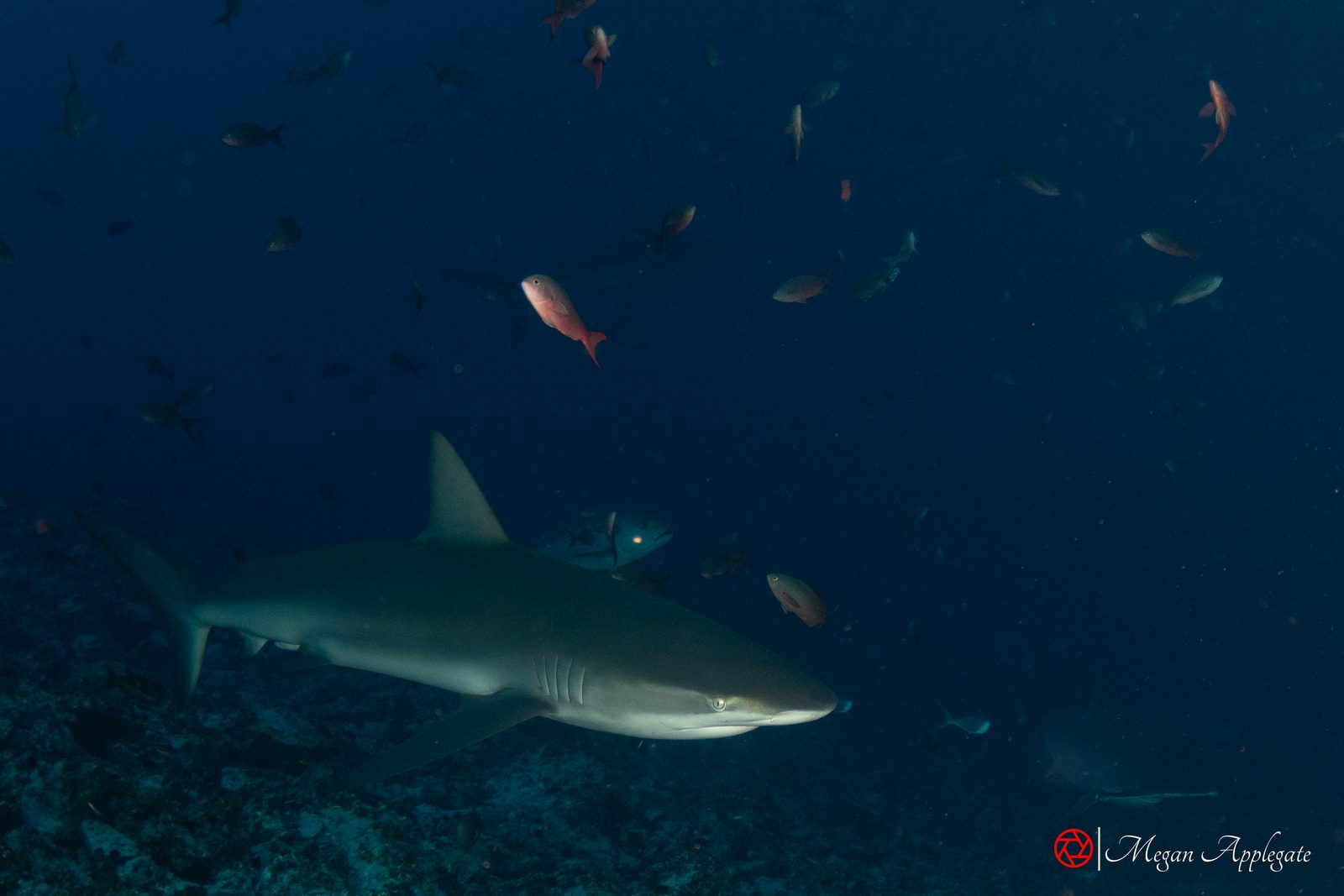 Shark IDTell the grey sharks apart
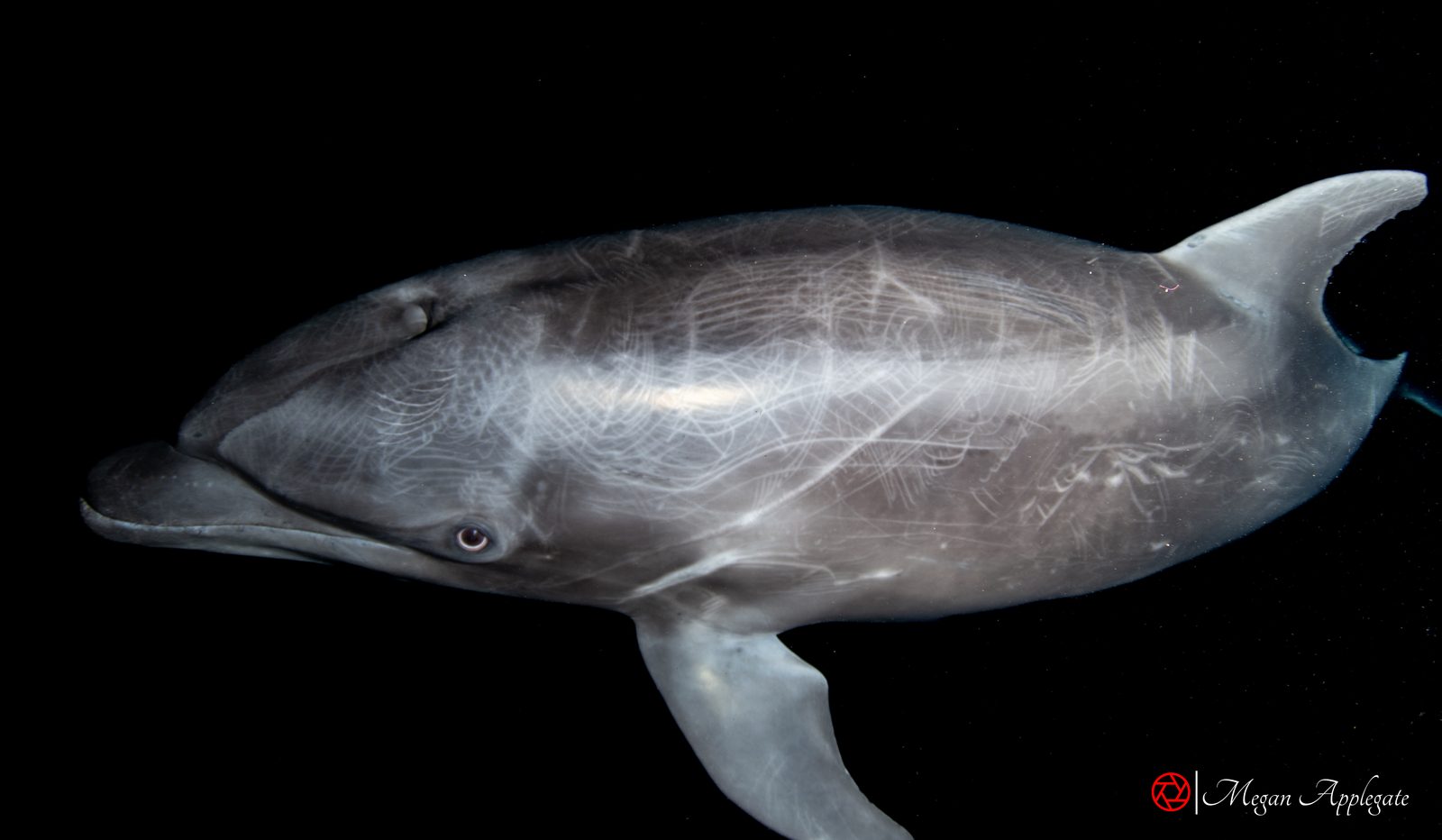 MammalsHumpbacks, dolphins and orcas
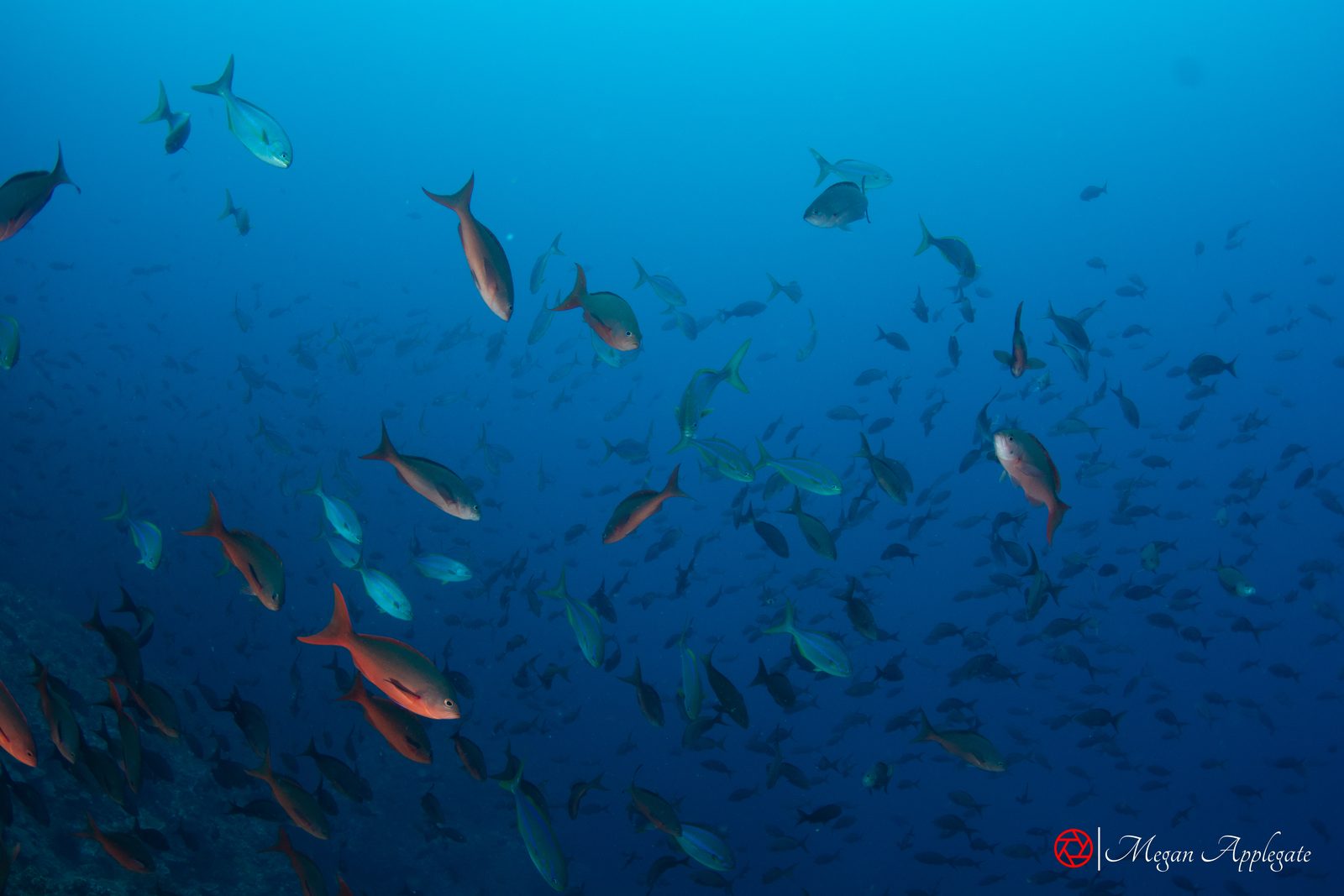 Fish18 reef fish, with the Clarion angelfish
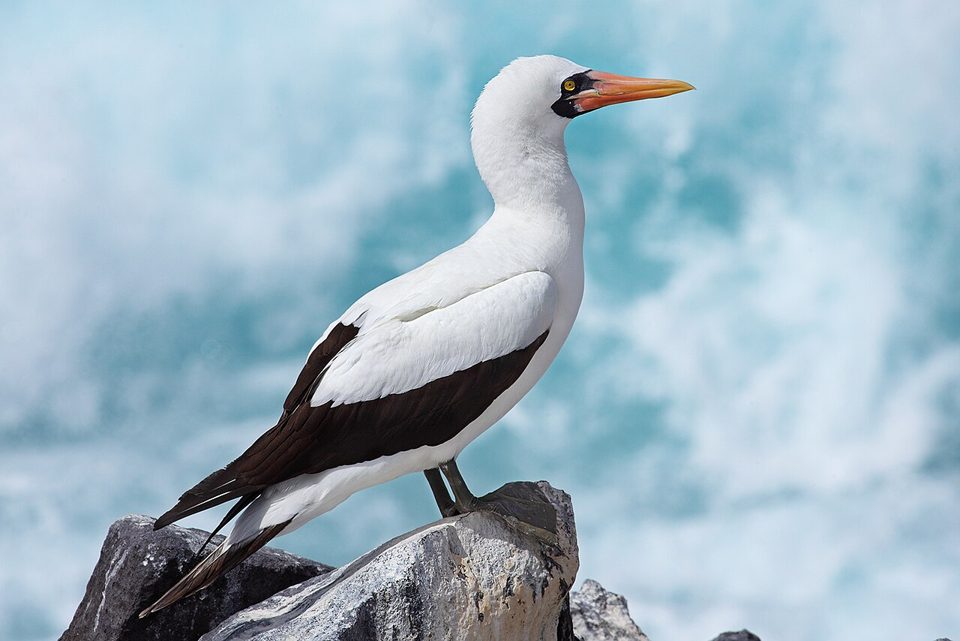 BirdsLand birds found nowhere else, and the seabirds
 LandVolcanoes, endemic reptiles and restoration
Pick a month to see which big animals are at their peak. Liveaboards run November to May (Bluewater Dive Travel). The water is warmest, about 24–27 °C, in November, December and May, and coolest, about 21–23 °C, from January to April (Bluewater Dive Travel). Check season and conditions with your operator before booking.
Seen all season, November to May (Bluewater Dive Travel), at the cleaning stations of the Boiler, El Cañón and Cabo Pearce (Divernet; Scuba Diving).
January to early April, to calve and train their young (DAN); song is most often heard on dives in February and March (Bluewater Dive Travel).
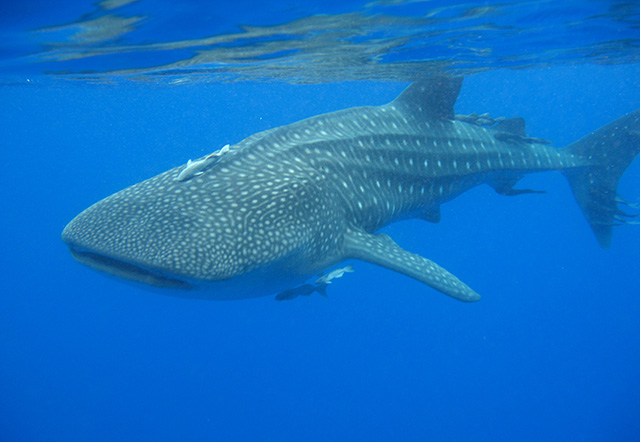
Most common in November and December, according to one operator (Bluewater Dive Travel); another account gives April and May (DAN).
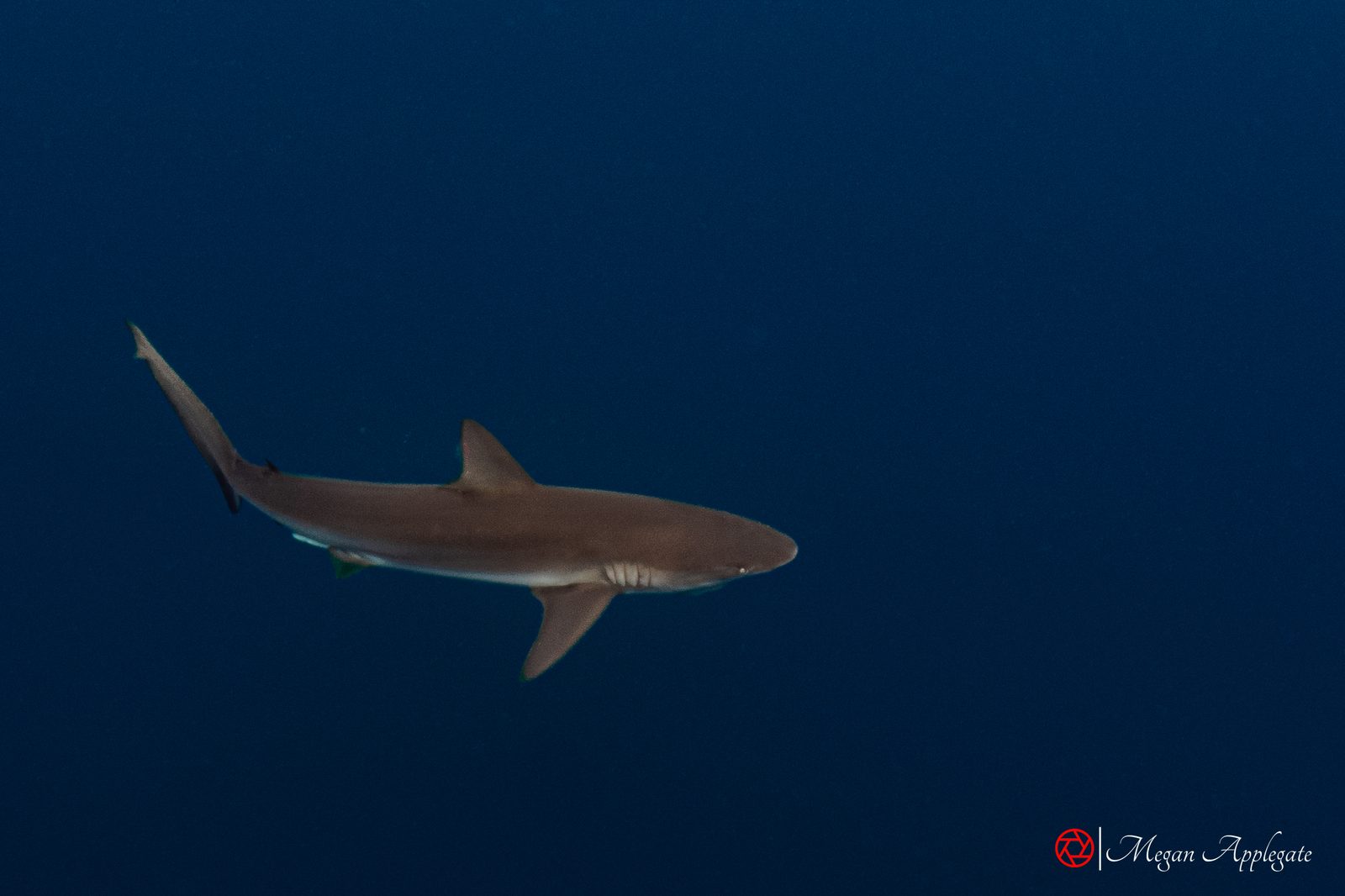
Bait-ball season starts in late April, with sharks and tuna hunting the schools (Bluewater Dive Travel); silky sharks are far more numerous in spring (DAN).
Photo Megan Applegate (Socorro)
The manta and the sharks most often reported here, with the mark that gives each away. The Mantas and Sharks pages have the full notes and sources.
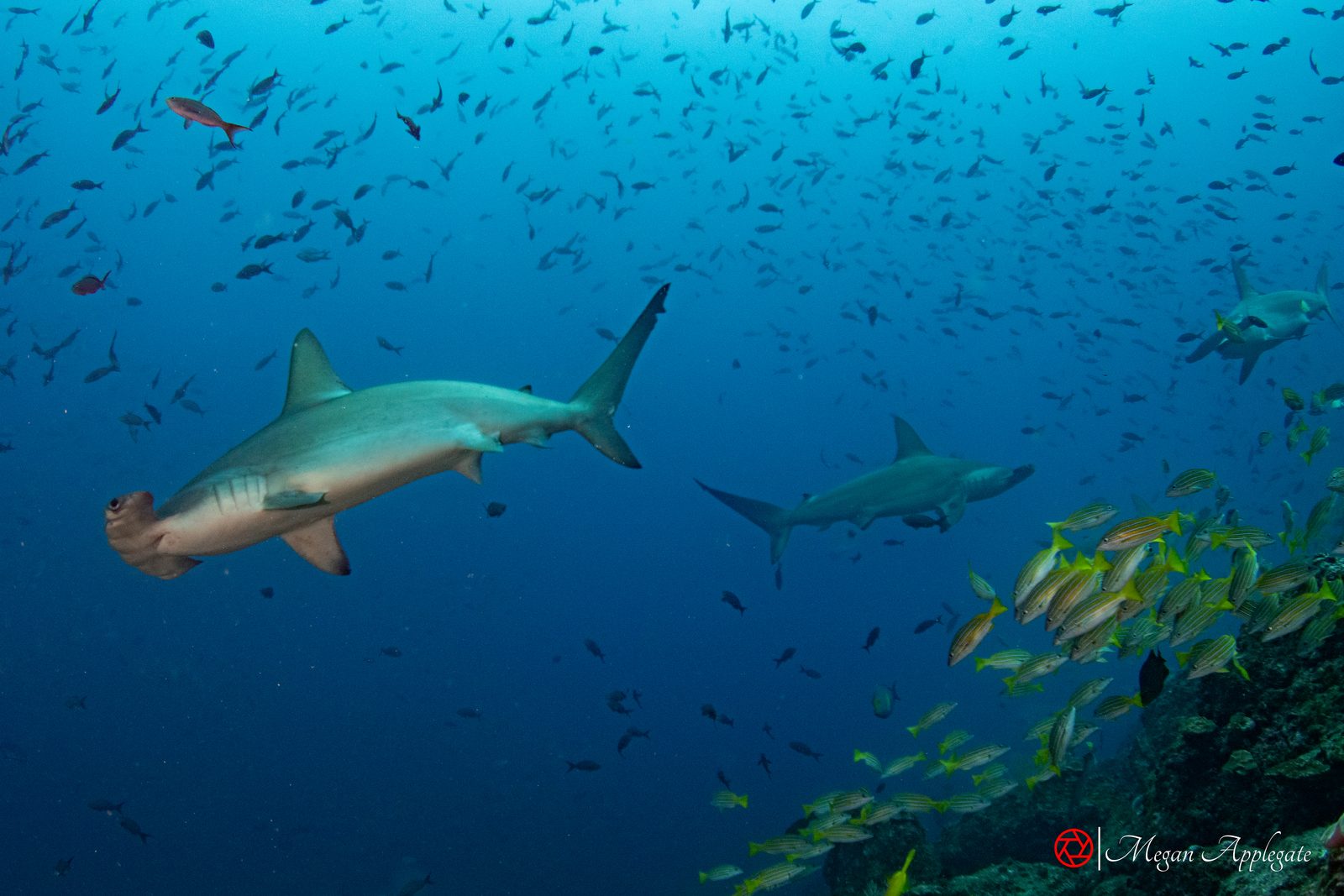
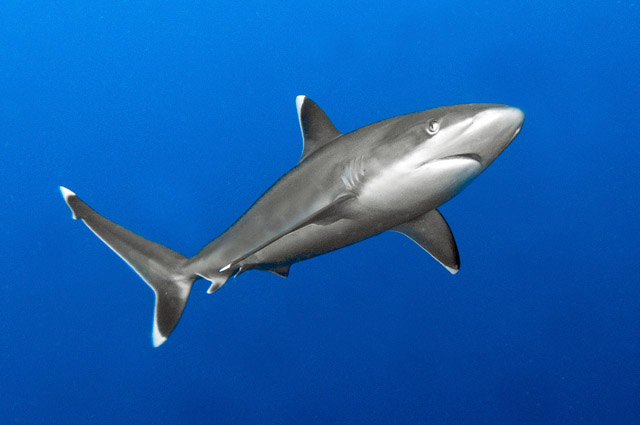
From DAN, Divernet, Scuba Diving and Bluewater Dive Travel. Individual dives vary.
A pinnacle rising to within about 4 m of the surface: the best site in the islands for giant mantas, cleaned by Clarion angelfish. Dolphins and whitetips too.
Source: Divernet; Divernet; DANMostly sharks: hammerheads, sometimes in schools of hundreds, silkies, Galápagos and silvertips, at a cleaning station at about 26 m. Mantas visit too.
Source: Divernet; Bluewater 2024A bare rock in open ocean that divers circle on each dive: whitetips stacked in ledges, silkies, Galápagos, hammerheads, schools of jacks, tuna and wahoo; humpbacks in season.
Source: Divernet; DANA finger of rock in the current, with a manta cleaning station at about 21 m, schooling hammerheads and resident bottlenose dolphins that approach divers.
Source: Divernet; Scuba Diving; DivernetKnown as “Hammerhead Central”: hammerheads, Galápagos and silkies; lobsters on a plateau at 10–12 m.
Source: DivernetLava formations where dolphins play and mantas circle divers; a tiger shark over 3 m was reported here.
Source: Scuba DivingPhotos
Photos marked “Megan Applegate” were taken at Socorro in December 2023, except a few species she photographed at Cocos Island or Malpelo, which are labelled. The rest come from the sources credited on each page.
Photo Megan Applegate (Socorro)
Every link opens in a new tab.