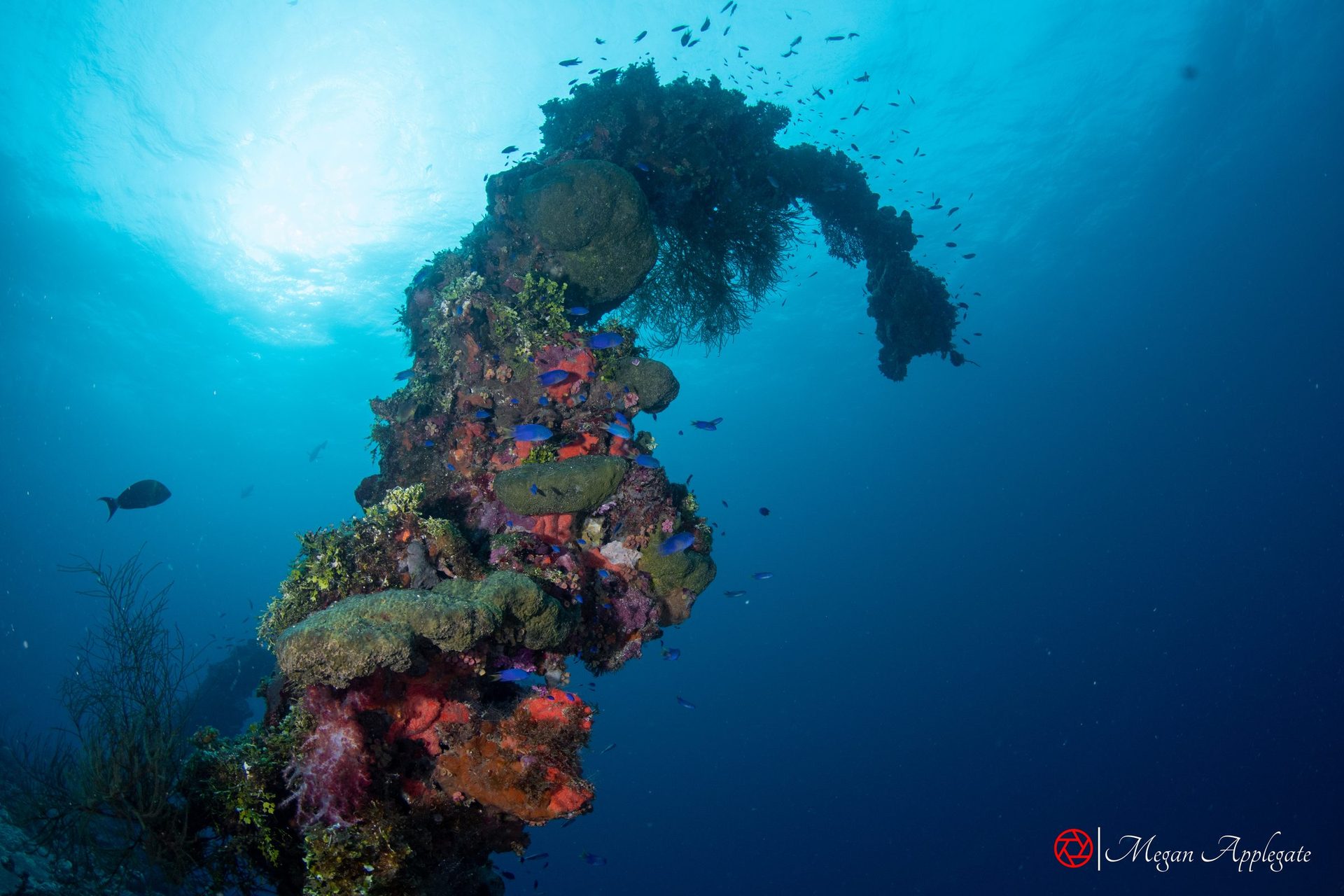
Why Chuuk
Chuuk Lagoon, long known as Truk, is a great atoll in the Federated States of Micronesia, about 1,800 km northeast of New Guinea. A reef about 225 km around encloses 2,130 km² of sheltered water, with eleven major islands and dozens of smaller ones (Wikipedia). In the Second World War it was a major Japanese base.
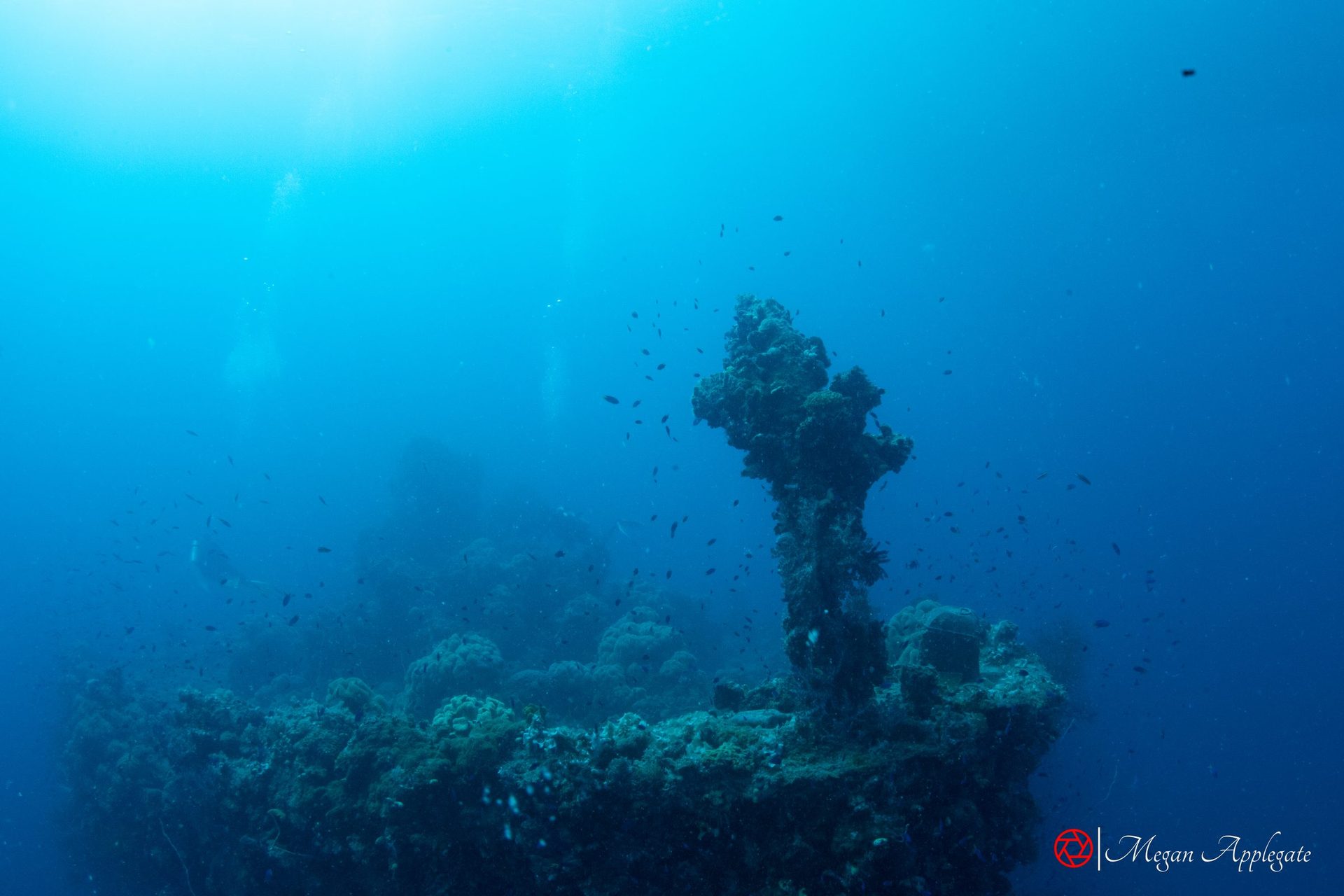
On 17–18 February 1944, US carrier aircraft sank dozens of ships at anchor in Operation Hailstone (Wikipedia). Since Jacques Cousteau’s 1971 film, divers have come for the “Ghost Fleet of Truk Lagoon”: holds of aircraft and munitions, tanks on deck and hulls grown over with coral (Wikipedia). The water is warm all year and currents are rare (Wetpixel; Shearwater).
Location
Where the wrecks are
Most of the wrecks lie in the old fleet anchorages around Tonoas (Dublon), Eten, Fefan and Uman. The lighter shapes are reefs.
Wrecks in the lagoon
Wrecks, from north to south
- 1Shinkoku Maru
- 2Yamagiri Maru
- 3Heian Maru
- 4Kensho Maru
- 5Nippo Maru
- 6San Francisco Maru
- 7Hoki Maru
- 8Fujikawa Maru
- 9Rio de Janeiro Maru
- 10Sankisan Maru
The site map works offline and prints. Satellite is interactive: zoom and drag, and tap or hover a pin for its name (it needs an internet connection). Positions are approximate. I-169, the Betty bomber and Oite have no published position, so they have no pin. Wreck positions: OpenStreetMap, and Wikipedia’s list of shipwrecks in February 1944 (to the nearest minute). Coastline © OpenStreetMap contributors.
Choose your dive
Two field pages so far, with what to look for and links to go deeper.
Six wrecks to know
The wrecks most often named as Chuuk’s best, with the thing each is known for. The Wrecks page has the full notes and sources.
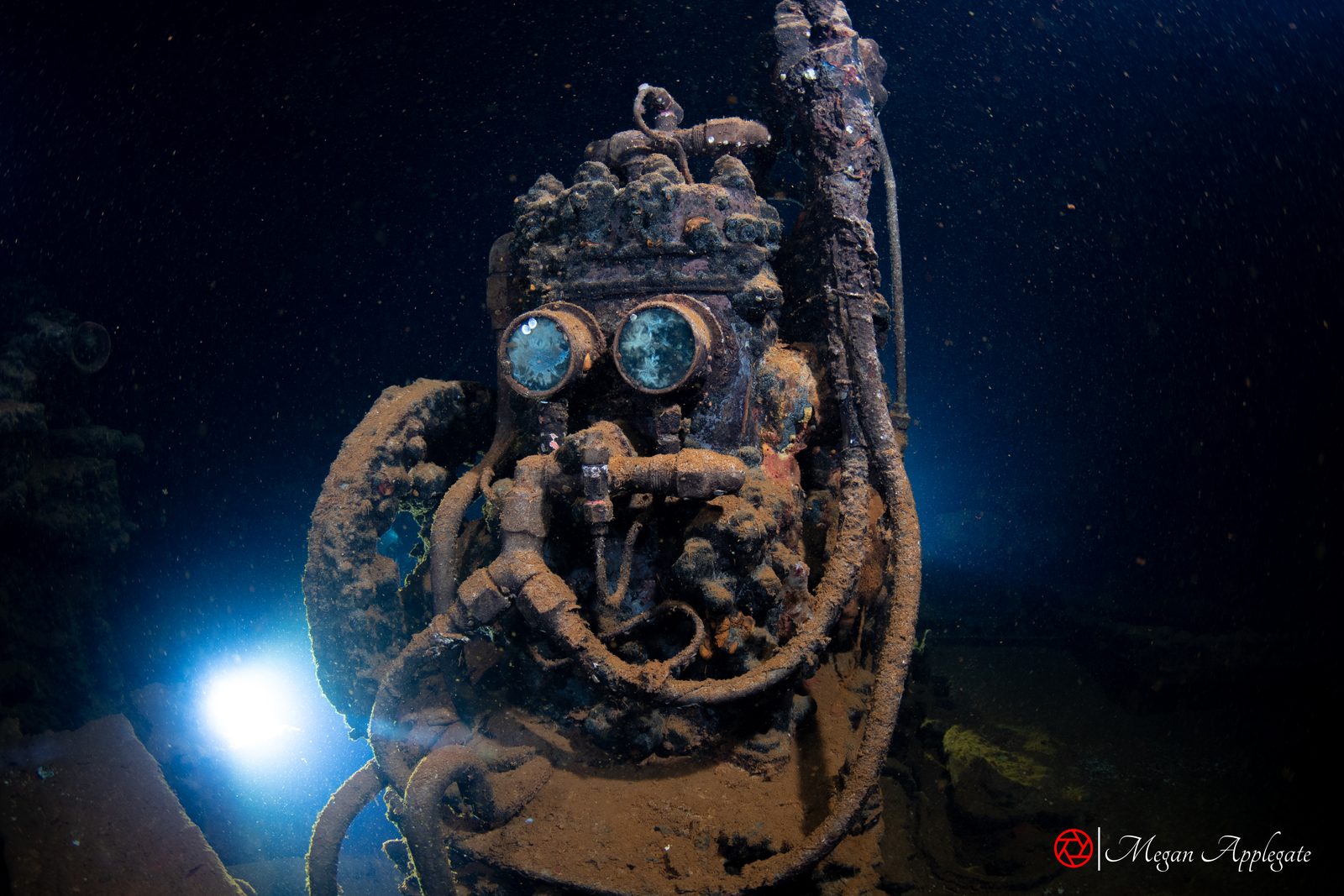
Fujikawa Maru
- Look for
- Zero fighters in the holds and a coral-covered bow gun.
- Depth
- 9–37 m. The classic first wreck.
Shinkoku Maru
- Look for
- A tanker blanketed in soft coral and anemones.
- Depth
- 9–39 m.
Heian Maru
- Look for
- The largest wreck, on its side, with periscopes and torpedoes.
- Depth
- 9–35 m.
Nippo Maru
- Look for
- A tank on deck, howitzers and the ship’s wheel on the bridge.
- Depth
- 21–47 m.
San Francisco Maru
- Look for
- Three light tanks on deck, and holds full of mines and shells.
- Depth
- Deck at about 50 m. Decompression dive.
Yamagiri Maru
- Look for
- Giant battleship shells in hold No. 5.
- Depth
- 15–34 m.
Diving the lagoon
From DAN, Wetpixel, Pacific Wrecks and dive trip reports. Conditions vary.
The shallowest structures are at 5–9 m, most dives at 18–40 m, and the deepest parts below 61 m. Advanced certification is generally required.
Source: DAN Alert Diver 202628–30 °C all year; a 3 mm suit is usually enough, more for long or repeated dives. Visibility is moderate and variable, roughly 6–21 m, and better on the outer wrecks; there is rarely any current.
Source: Wetpixel; DAN Alert Diver 2026; Bluewater 2026Some interiors are unstable and considered too dangerous to enter, and silt can take visibility to zero.
Source: DAN Alert Diver 2026; WetpixelThe wrecks are a protected historic site: it is illegal to disturb them or remove anything. Some human remains are still sealed inside.
Source: DAN Alert Diver 2026Oil leaked from the Rio de Janeiro Maru in September 2025 and was contained; fuel still seeps from the Hoki Maru. Environmental groups are surveying the wrecks, especially three sunken tankers.
Source: DAN Alert Diver 2026; Pacific Wrecks; WikipediaChuuk International Airport is on Weno. Weno has a small private recompression chamber; serious cases usually go to the US Naval Base on Guam, 1,019 km away.
Source: Wikipedia; DAN Alert Diver 2026Photos
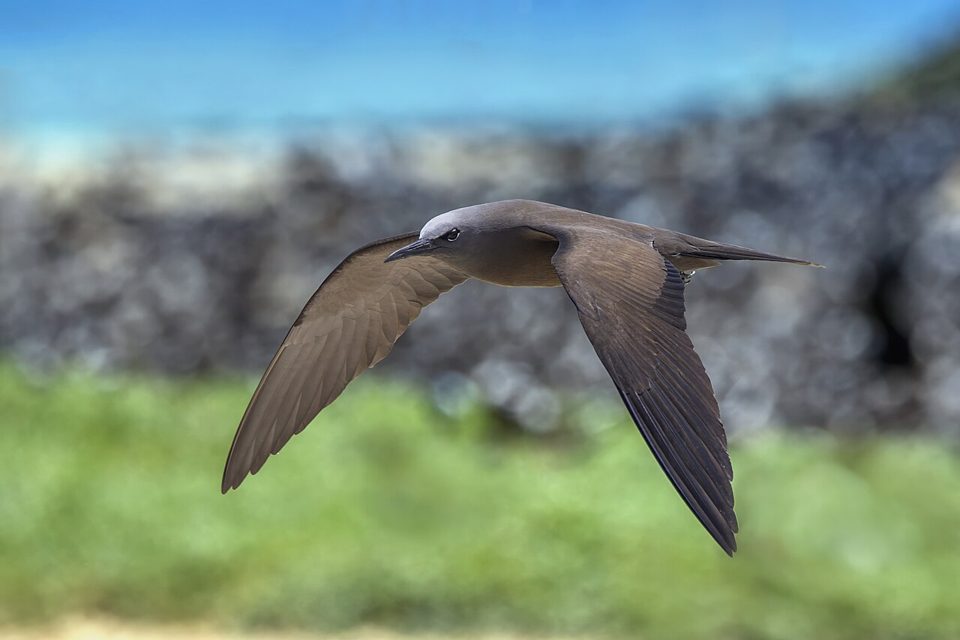
Photos marked “Megan Applegate” were taken in Chuuk in December 2022 and January 2023. The bird photos come from the sources credited on the Birds page.
Photo Megan Applegate (Chuuk)
More information
Every link opens in a new tab.
- Wikipedia — Chuuk Lagoon
- Wikipedia — Operation Hailstone
- DAN Alert Diver — Chuuk (2026)
- DIVE — A diver’s guide to the wrecks of Truk Lagoon
- Shearwater — The top 8 wrecks of Truk Lagoon
- Scuba Diving — Exploring the Japanese WWII wrecks of Truk Lagoon
- Scuba Diving — Why divers should treat war-torn wrecks with respect
- Bluewater Dive Travel — Truk Lagoon trip report, 2026
- Wetpixel — Truk Lagoon (Chuuk)
- Master Liveaboards — How deep are the Truk Lagoon wrecks?
- Master Liveaboards — Weather and seasons at Truk Lagoon
- Pacific Wrecks — wreck histories (Fujikawa Maru and others)
- Avibase — Chuuk bird checklist
- BirdLife — East Caroline Islands Endemic Bird Area
- Birdquest — Micronesia tour report, April 2024 (PDF)