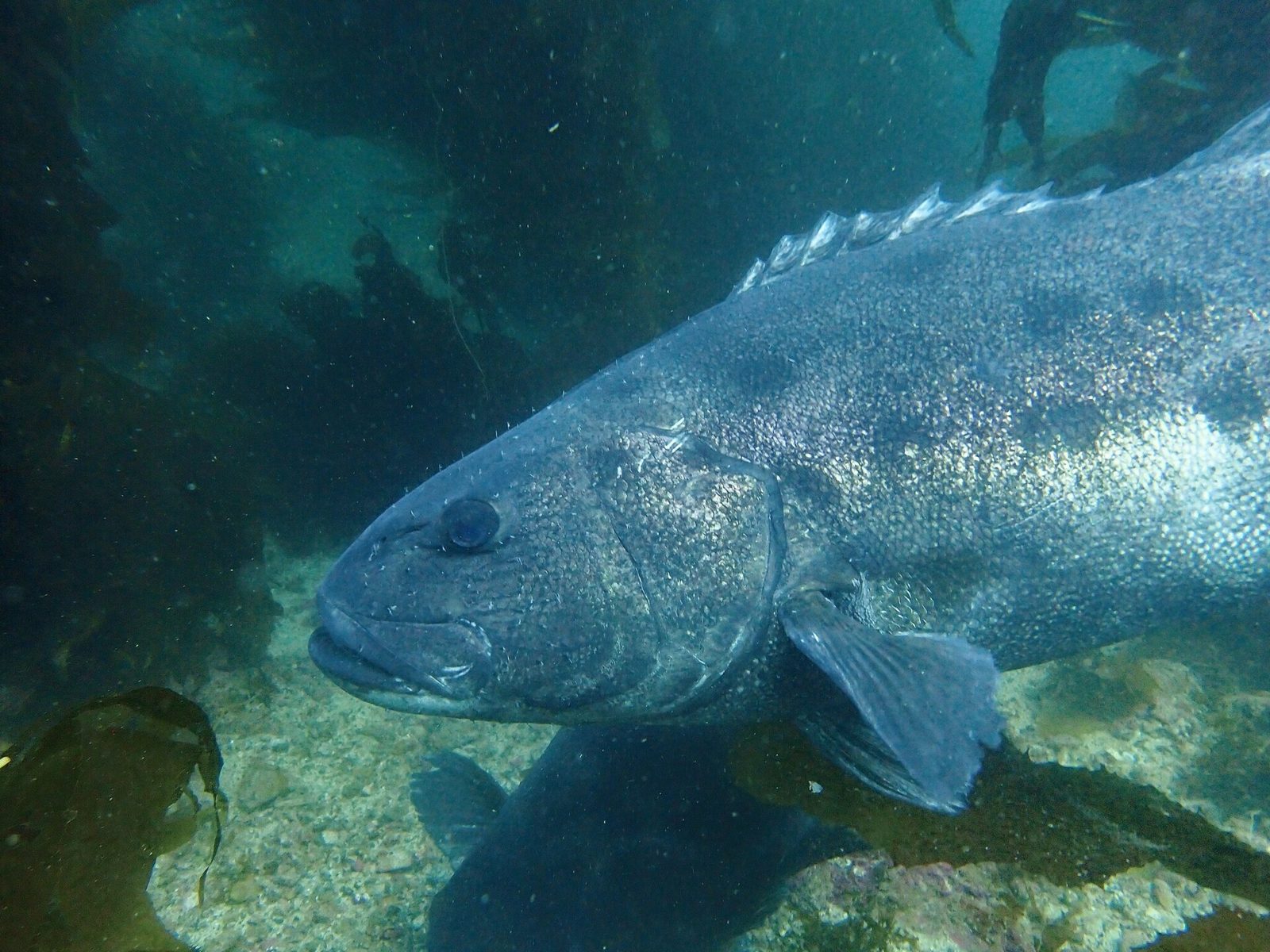
A California sea lion swimming toward the camera

California, USA · Channel Islands, Catalina and the mainland coast

Diving in the kelp forest.

A field guide to the kelp forests, fish, sharks and rays, sea lions and whales, small creatures, wrecks and seabirds of Southern California, from San Diego to the Channel Islands, with where and when to look for each and links to go deeper.

Photo Megan Applegate (a California sea lion at San Carlos, Mexico, not Southern California)

50marine protected areas from Point Conception to the Mexican border, in force since 2012 (California MPAs)
1,000+species living in the Channel Islands’ kelp forests (National Park Service)
60 cma day: how fast giant kelp can grow (Wikipedia)

Why Southern California

Off Southern California the cold California Current meets the warmer Southern California countercurrent. The eight Channel Islands are spread across about 160 miles (257 km) of ocean; boats leave mainly from Santa Barbara, Ventura and San Pedro or Long Beach, and trips to the farthest islands sail overnight (DAN Alert Diver). Catalina, 22 miles from Los Angeles, has ferries from San Pedro, Long Beach and Dana Point (DAN Alert Diver).

The Channel Islands National Marine Sanctuary, designated in 1980, covers about 1,470 square miles around Anacapa, Santa Cruz, Santa Rosa, San Miguel and Santa Barbara Islands (Wikipedia). Along the mainland, 50 marine protected areas from Point Conception to the Mexican border took effect in January 2012 (California MPAs). There is a recompression chamber at the USC Wrigley Marine Science Center on Catalina, staffed every day by trained volunteers (Wikipedia).

Choose your dive

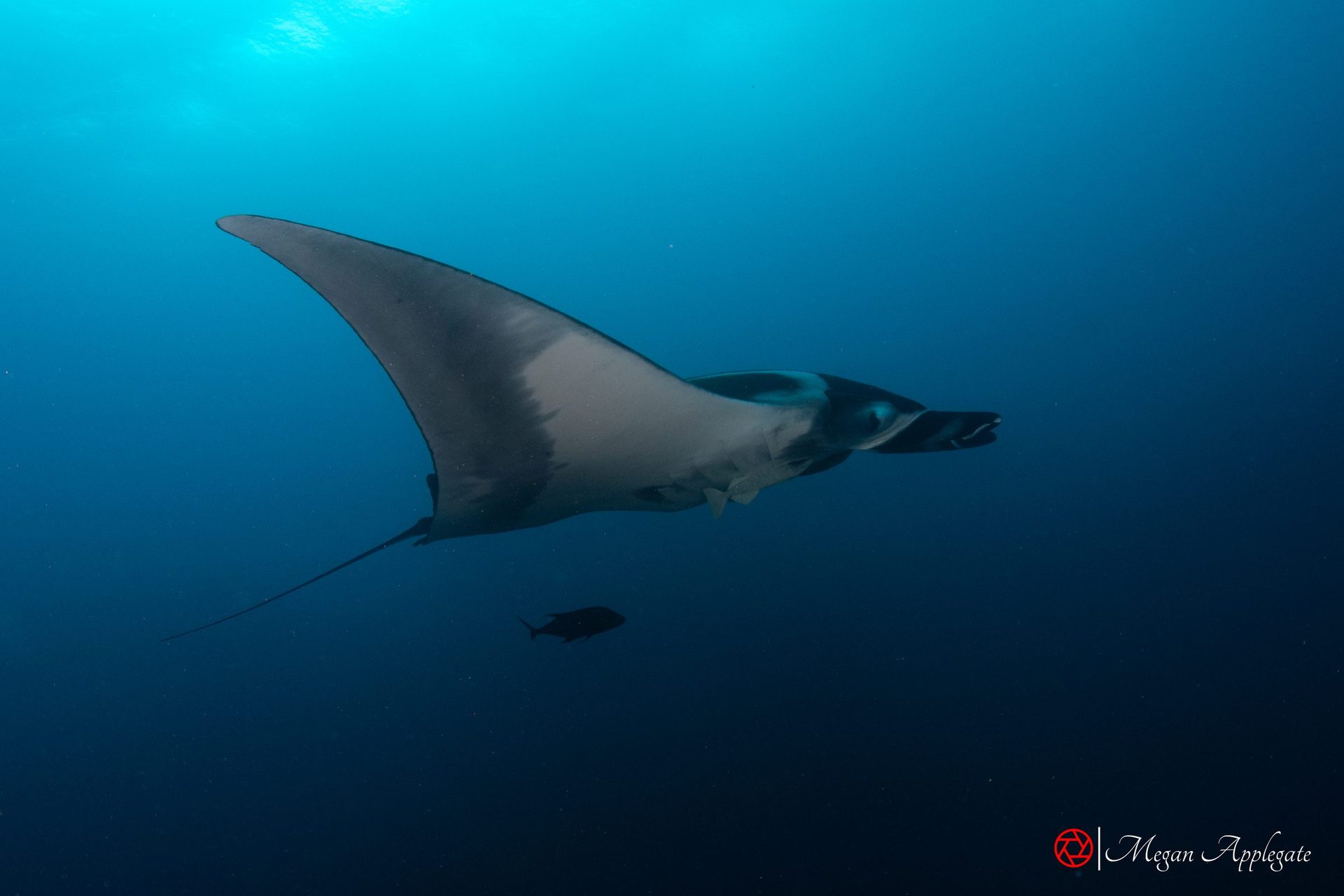
Seven field pages, with where and when to look for each species and links to go deeper. There are no photos from Southern California yet: the tiles show Megan Applegate’s photos from other places.

When to go for what

Pick a month to see what is at its peak. Southern California is dived all year in cold water: at the Channel Islands about 11–18 °C (52–65 °F) in summer and autumn and 9–16 °C (48–60 °F) in winter and spring, so a 7 mm wetsuit with hood and gloves is the minimum and a drysuit is better in winter (DAN Alert Diver). At La Jolla the water is coldest in early February, about 13–16 °C (Surf-Forecast).

Peak Sep–Nov

Autumn diving

NOAA calls autumn the best time of year for diving at the Channel Islands, with warm weather and calm seas; visibility can reach 100 ft (30 m) in early autumn (NOAA Channel Islands). At La Jolla the water is warmest in the first week of September, about 19–22 °C (Surf-Forecast).

Peak Jun–Dec

Leopard sharks

Thousands of leopard sharks, almost all pregnant females, gather in the warm shallows at the south end of La Jolla Shores from about June to December (KPBS 2017).

Peak May–Sep

Blue and humpback whales

Blue whales feed on krill at the Channel Islands from late May through September, and humpbacks from May to August (NOAA Channel Islands).

Peak Dec–May

Gray whales

Gray whales pass the Channel Islands from December to May on their way to and from the lagoons of Baja California (NOAA Channel Islands).

Peak Oct–Mar

Lobster season and squid runs

Recreational lobster season runs from early October to mid-March (CDFW 2021). Squid runs, when market squid spawn by the tens of thousands at night, happen mostly in the colder months, though sometimes in late summer or autumn (California Diver).

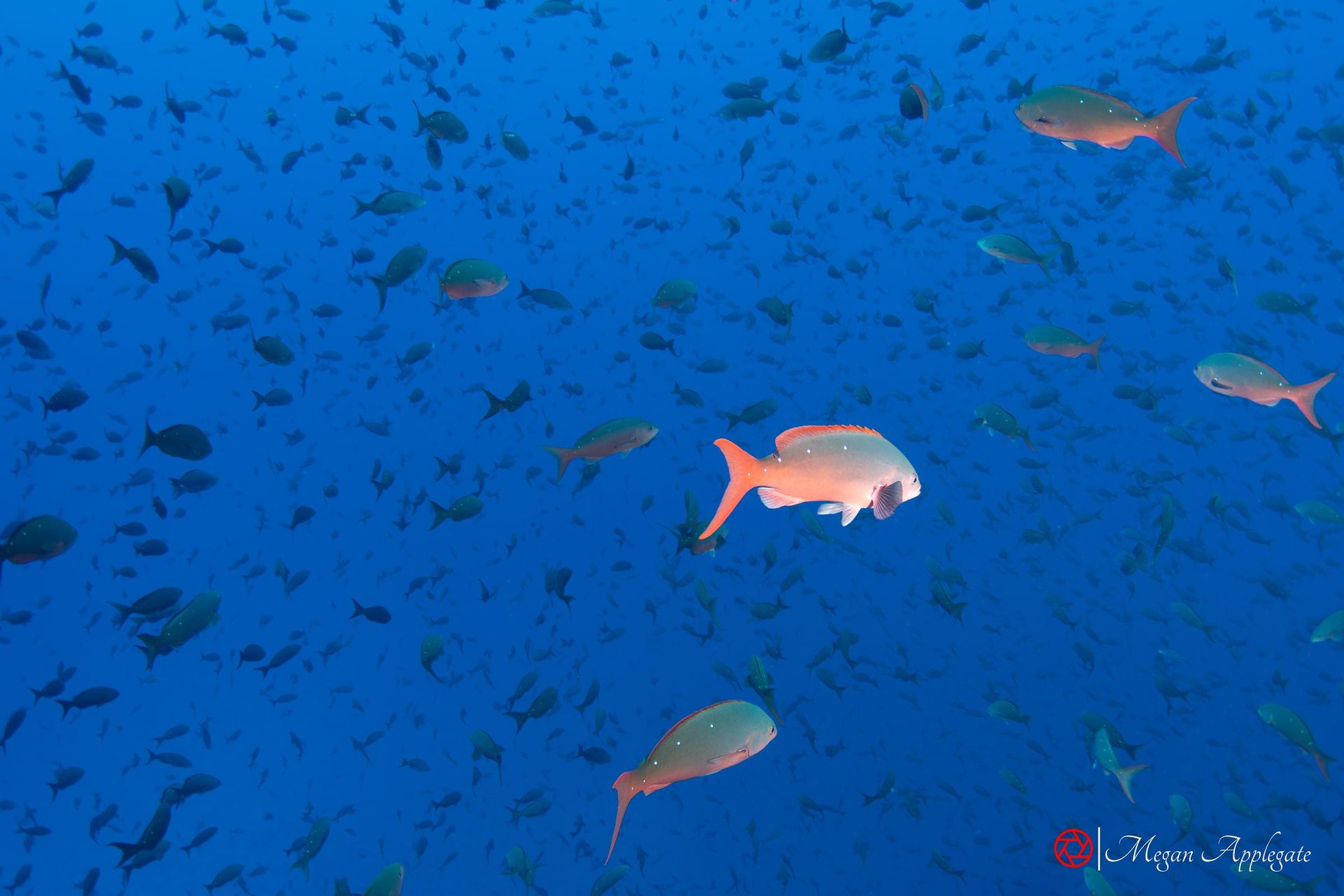
Background photo: Megan Applegate (a school of jacks, Socorro, Mexico)

Six to know by sight

Six animals divers meet in Southern California, with the mark that gives each away. The species pages have the full notes and sources. Megan Applegate’s photos were taken at San Carlos, Mexico; the species pages credit any other photos.

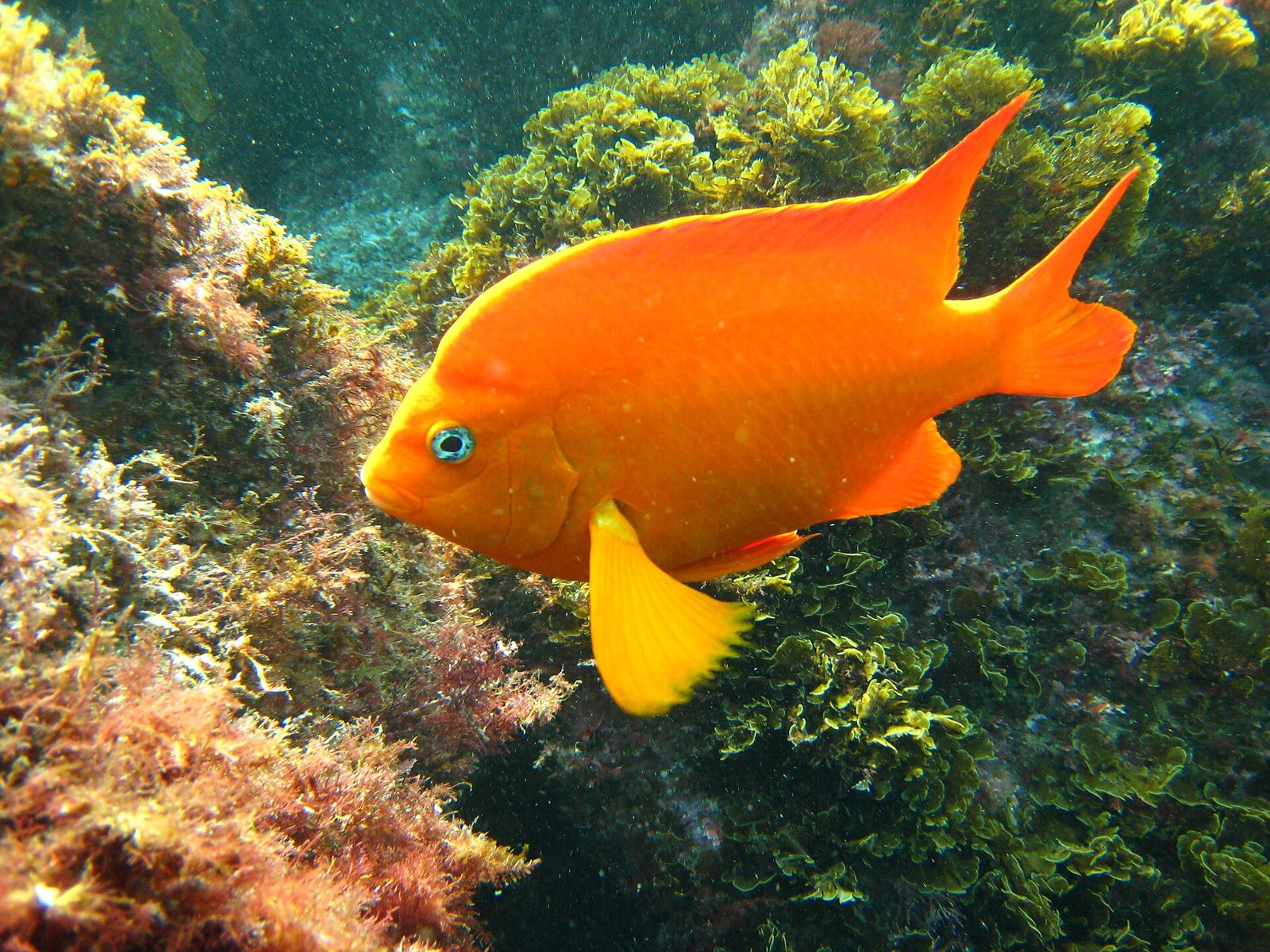
Garibaldi (Hypsypops rubicundus)
Plate I

Garibaldi

Hypsypops rubicundus
Look for
Bright orange all over; juveniles darker with blue spots.
Where
Everywhere in the kelp; males guard nests and may nip.
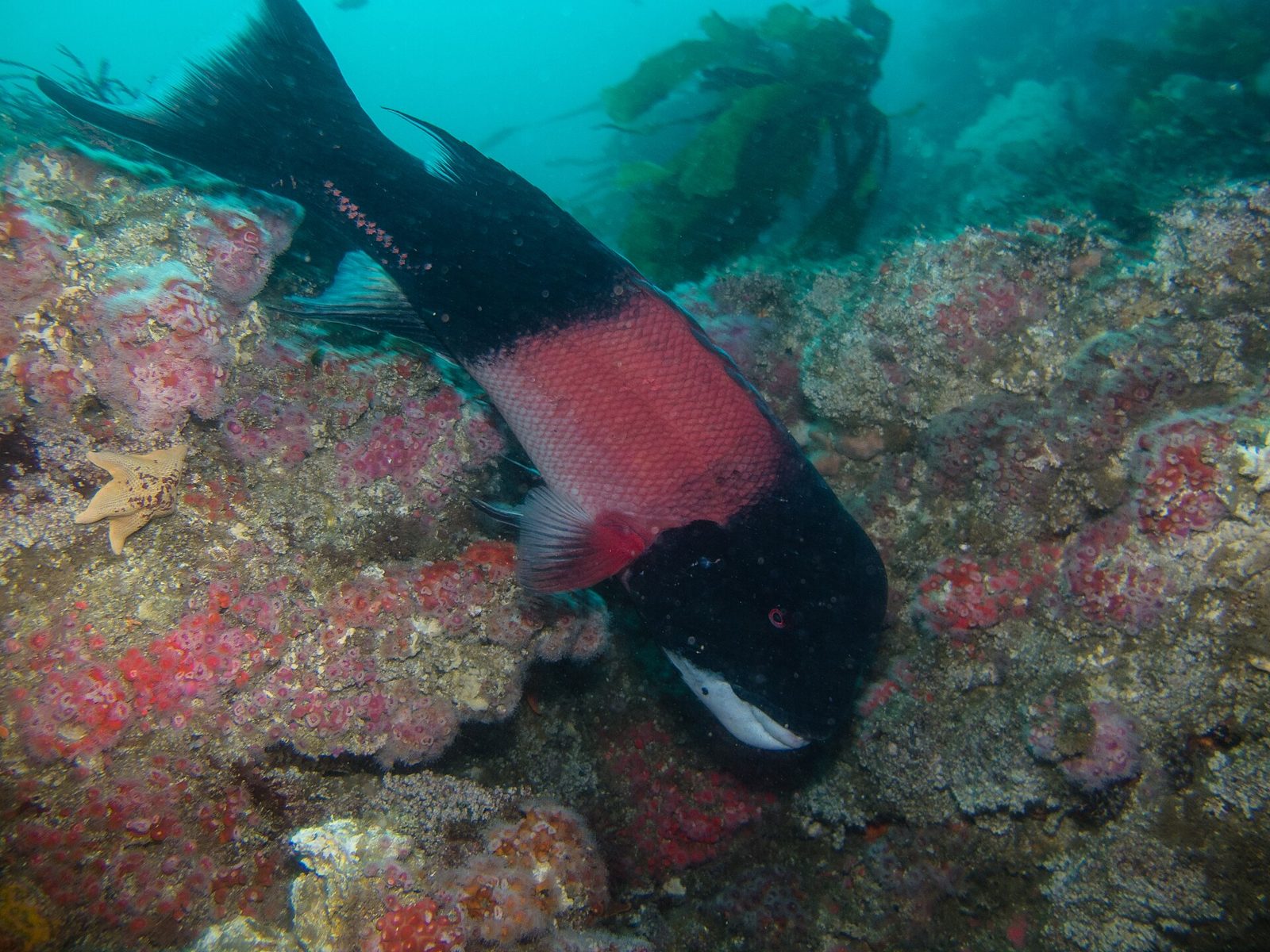
California sheephead (Bodianus pulcher)
Plate II

California sheephead

Bodianus pulcher
Look for
Males: dark head and tail, red-orange middle, white chin.
Where
Crunching urchins on the reef.
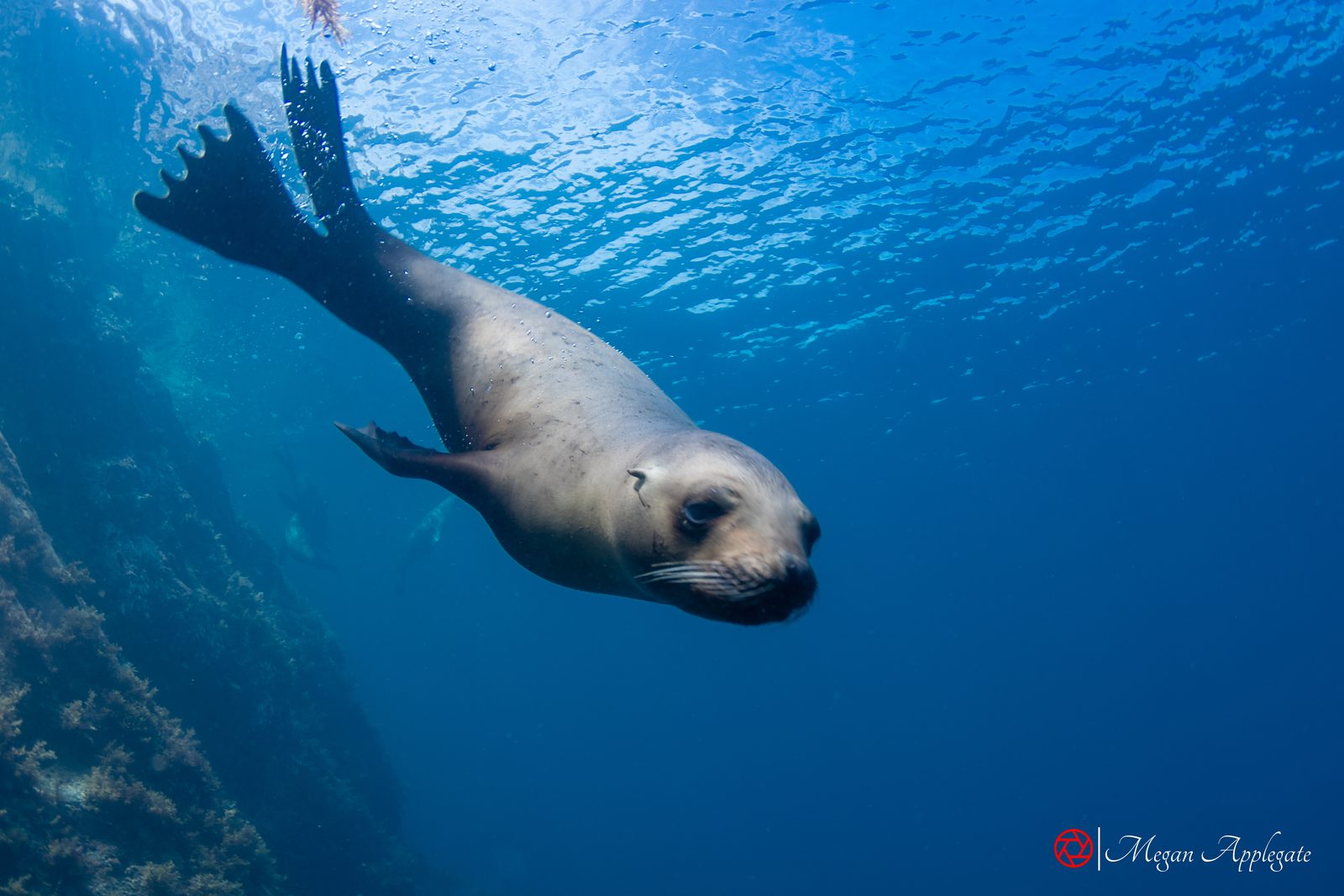
California sea lion (Zalophus californianus)
Plate III

California sea lion

Zalophus californianus
Look for
Ear flaps and long front flippers; males have a crest.
Where
Breeds on the Channel Islands; photo from San Carlos, Mexico.
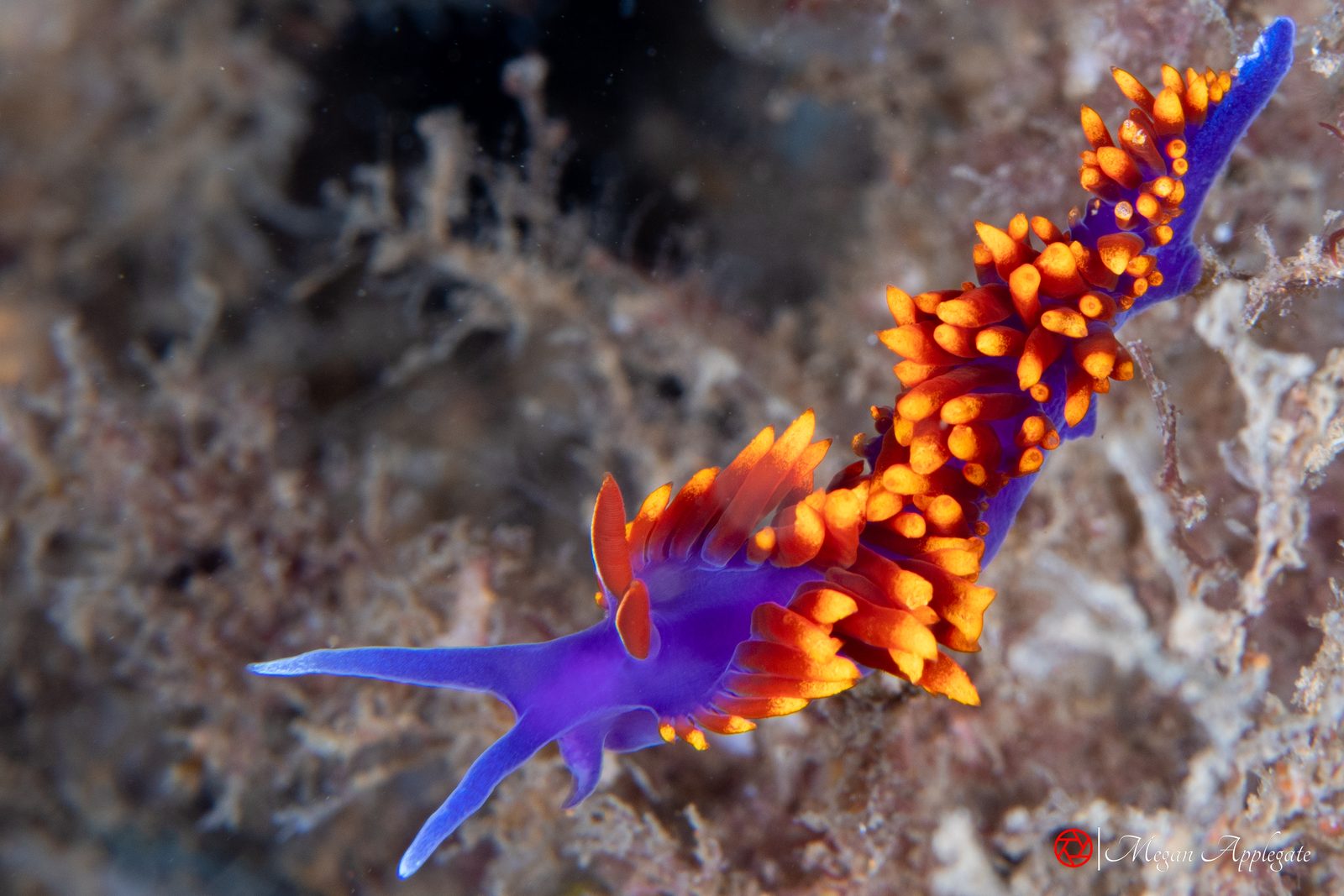
Spanish shawl (Flabellinopsis iodinea)
Plate IV

Spanish shawl

Flabellinopsis iodinea
Look for
Purple body, orange cerata, red rhinophores.
Where
On rock at the Channel Islands; photo from San Carlos, Mexico.
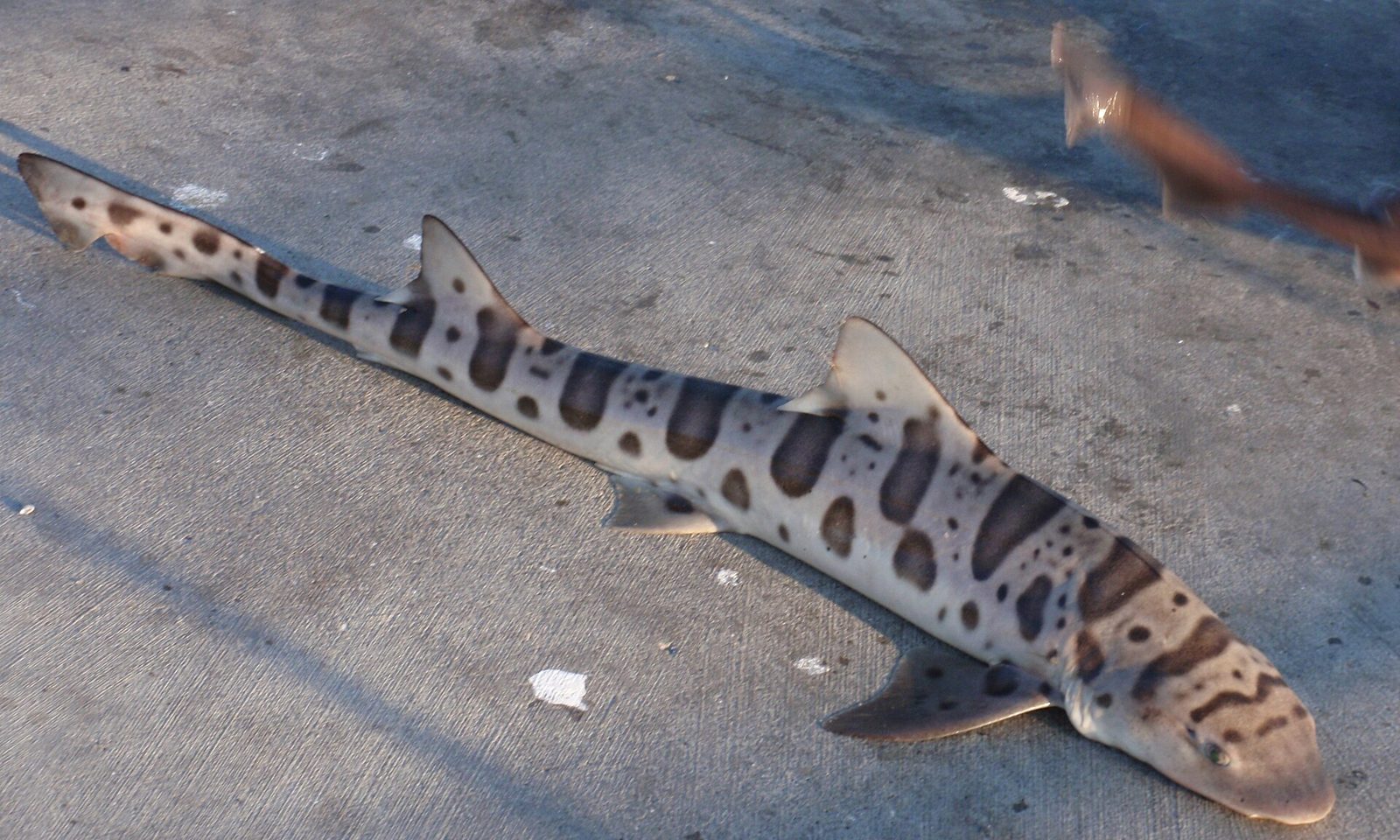
Leopard shark (Triakis semifasciata)
Plate V

Leopard shark

Triakis semifasciata
Look for
Black saddles and spots on a silvery back.
Where
In the shallows at La Jolla Shores, June to December.
Giant sea bass (Stereolepis gigas)
Plate VI

Giant sea bass

Stereolepis gigas
Look for
Huge, up to about 2 m; grey or brown when adult.
Where
Back at Catalina, where some come to spawn.

Open the Fish page →

What divers report, site by site

From San Diego north to the Channel Islands, from dive magazines, the park and sanctuary, and other accounts. Depths and details differ between sources, and individual dives vary.

La Jolla Cove

An easy shore dive: about 100 yards’ swim to the inner edge of the kelp, inside the Matlahuayl State Marine Reserve, where nothing may be taken; garibaldi nest in the kelp and the fish are unusually tame. North-facing, so usually calm and clear in summer.

Source: San Diego Tourism; Wikipedia
La Jolla Shores and the canyon

A mile-long beach next to the reserve. Leopard sharks gather in the shallows from about June to December, and the canyon walls drop from about 70 to 900 ft; squid runs happen over the canyons at night.

Source: Wikipedia; KPBS 2017; California Diver
Point Loma

One of the largest kelp forests in California, reached by dive charter, and studied by Scripps divers since the 1950s.

Source: Dayton Lab, Scripps; San Diego Tourism
Wreck Alley

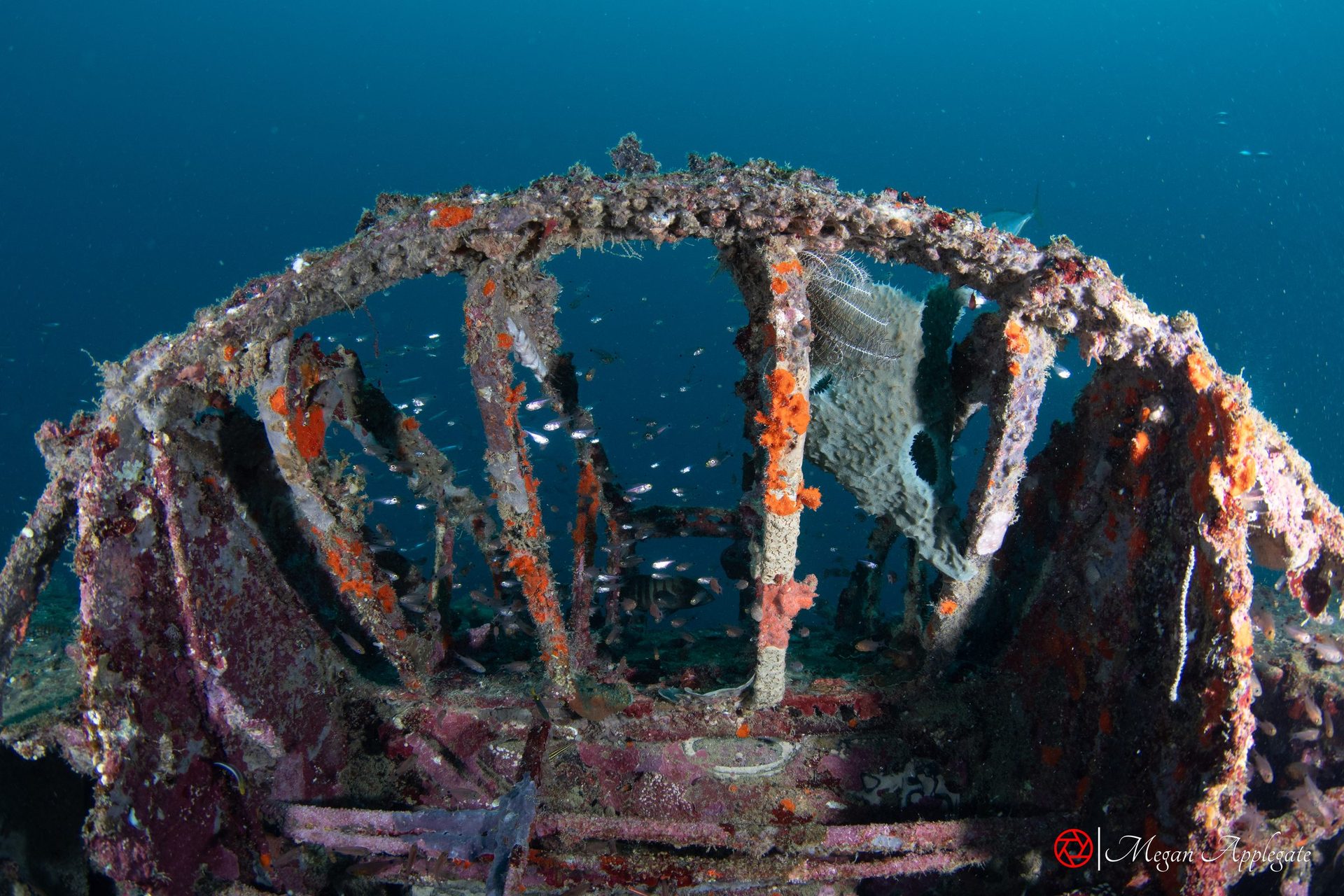
A few miles off Mission Beach: the destroyer Yukon, the cutter Ruby E, the kelp boat El Rey, a collapsed Navy tower and an old bridge. See the Wrecks page.

Source: Wikipedia
Casino Point Dive Park, Catalina

In Avalon, recognised in 1965 as the only municipal park for scuba diving: kelp, tame fish after decades of protection, giant sea bass returning, and depths to about 85–100 ft. Enter by the steps; on summer weekends hundreds of divers come.

Source: Catalina Divers Supply; DAN Alert Diver
Farnsworth Bank

Pinnacles about 1.5 miles off Catalina’s back side, topping out at 54 ft and dropping past 160 ft, with gullies full of purple hydrocoral. Protected as a State Marine Conservation Area since 2012; for experienced divers, with swell, current and depth.

Source: California Diving News; California Diving News; Wikipedia
Ship Rock

More than two miles off Catalina: angel sharks on the sand, big horn sharks in the rocks and deep-water rockfish; about 130 ft at the base, but 70 ft or less suits intermediate divers.

Source: California Diving News; DAN Alert Diver
Anacapa Island

The nearest Channel Island to the mainland ports: the landing cove kelp forest is broadcast live by the park, Aquarium and Keyhole Rock are known sites, and the Winfield Scott lies off Middle Anacapa.

Source: National Park Service; DAN Alert Diver; National Park Service
Santa Barbara Island

About one square mile, reached overnight by liveaboard: the Rookery has hundreds of sea lions in the shallows, the Arch is a sponge-covered archway, and Sutil Pass has gorgonians and kelp. Visibility typically 40–100+ ft.

Source: Scuba Diving
Shaw’s Cove, Laguna Beach

A beach dive with a swim-through, an arch at about 20–25 ft and kelp past 35 ft: garibaldi, sheephead, lobsters at the arch, two-spot octopus, bluebanded gobies and nudibranchs.

Source: Scuba Diving; Scuba Diving
Veterans Park, Redondo Beach

Sand slope and sand-dollar beds dropping past 30 ft: octopus, sarcastic fringeheads, pipefish and nudibranchs, and squid, egg baskets and bat rays during a squid run.

Source: Scuba Diving
Long Beach oil platforms

Ellen and Elly, about eight miles out, and Eureka in 700 ft of water: legs covered in anemones and scallops, with sea lions and schools of fish. Permitted charters only; best June to December.

Source: DAN Alert Diver

Cold, current and depth

Many California sites are rated intermediate to advanced, and in-water guides are uncommon, so ask before you book if you want one (DAN Alert Diver). Offshore pinnacles such as Farnsworth Bank bring swell, current and deep drop-offs (California Diving News). Dive within your training and plan your gas.
Marine reserves

In a state marine reserve such as La Jolla’s Matlahuayl, nothing living or geological may be taken or disturbed (Wikipedia). Check the rules for each protected area before you dive or hunt.

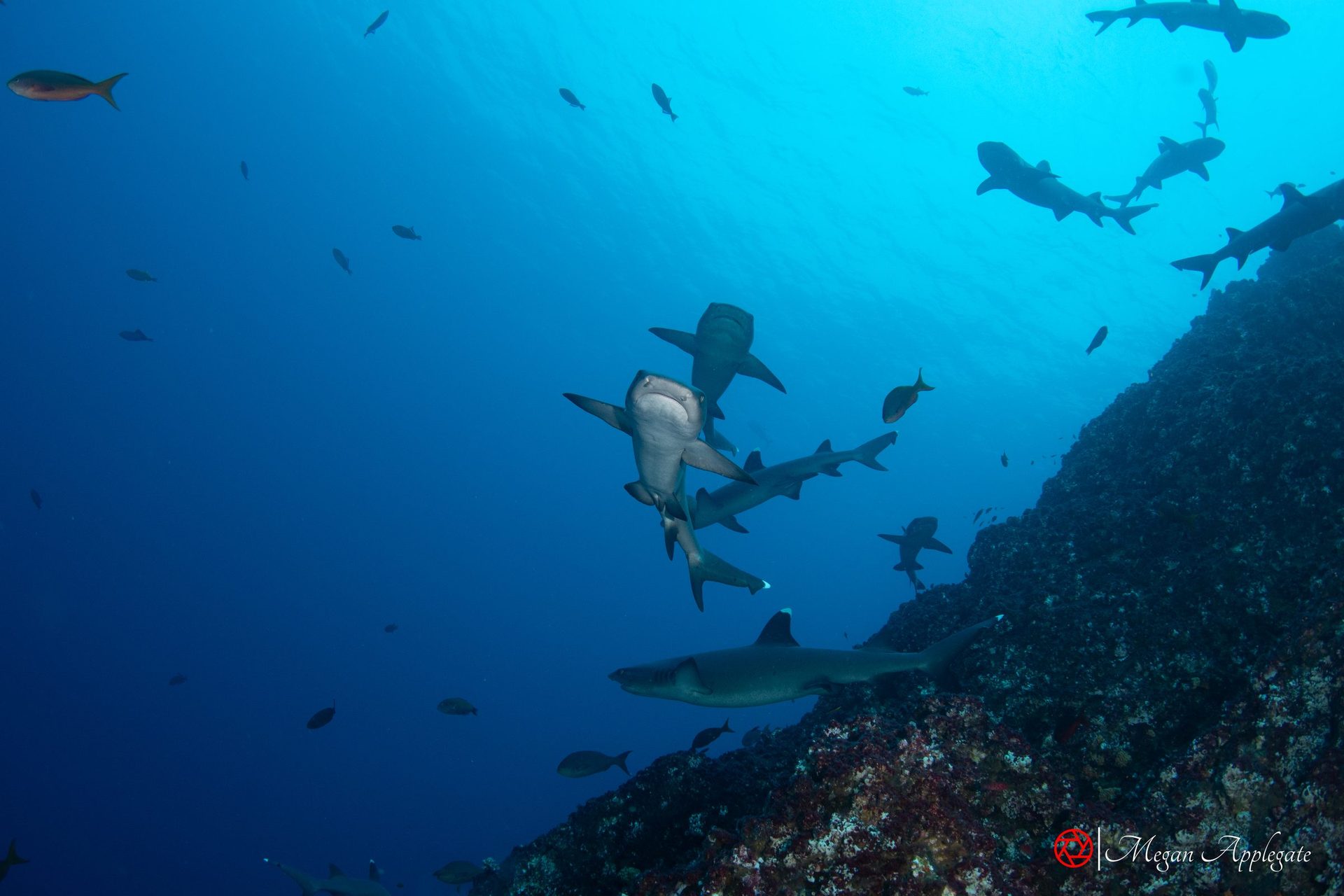
Background photo: Megan Applegate (a school of fish, Malpelo, Colombia)

More information

Every link opens in a new tab. Each species page cites its own sources as well.