| Damselfish Pomacentridae · 2 species |
|---|
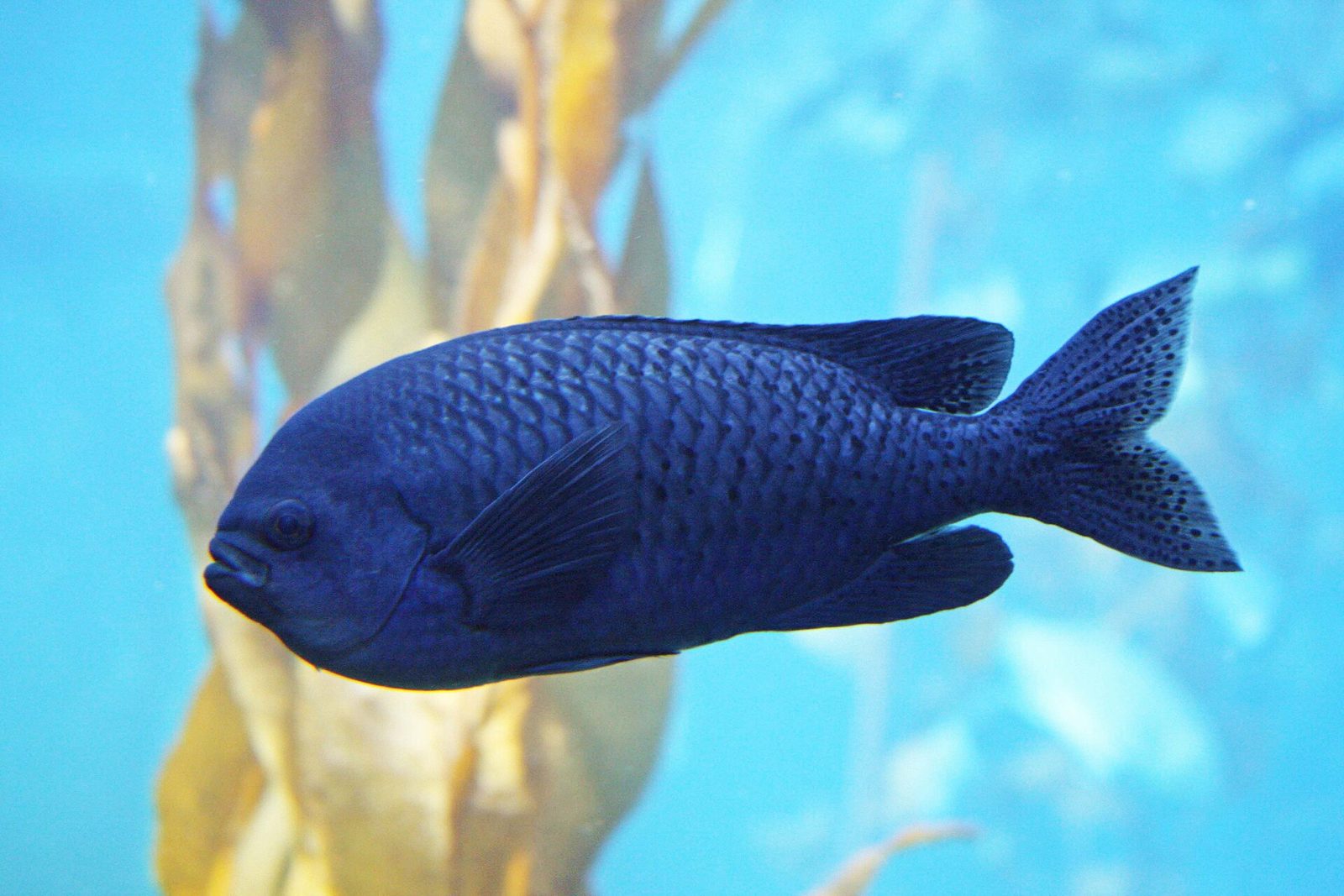
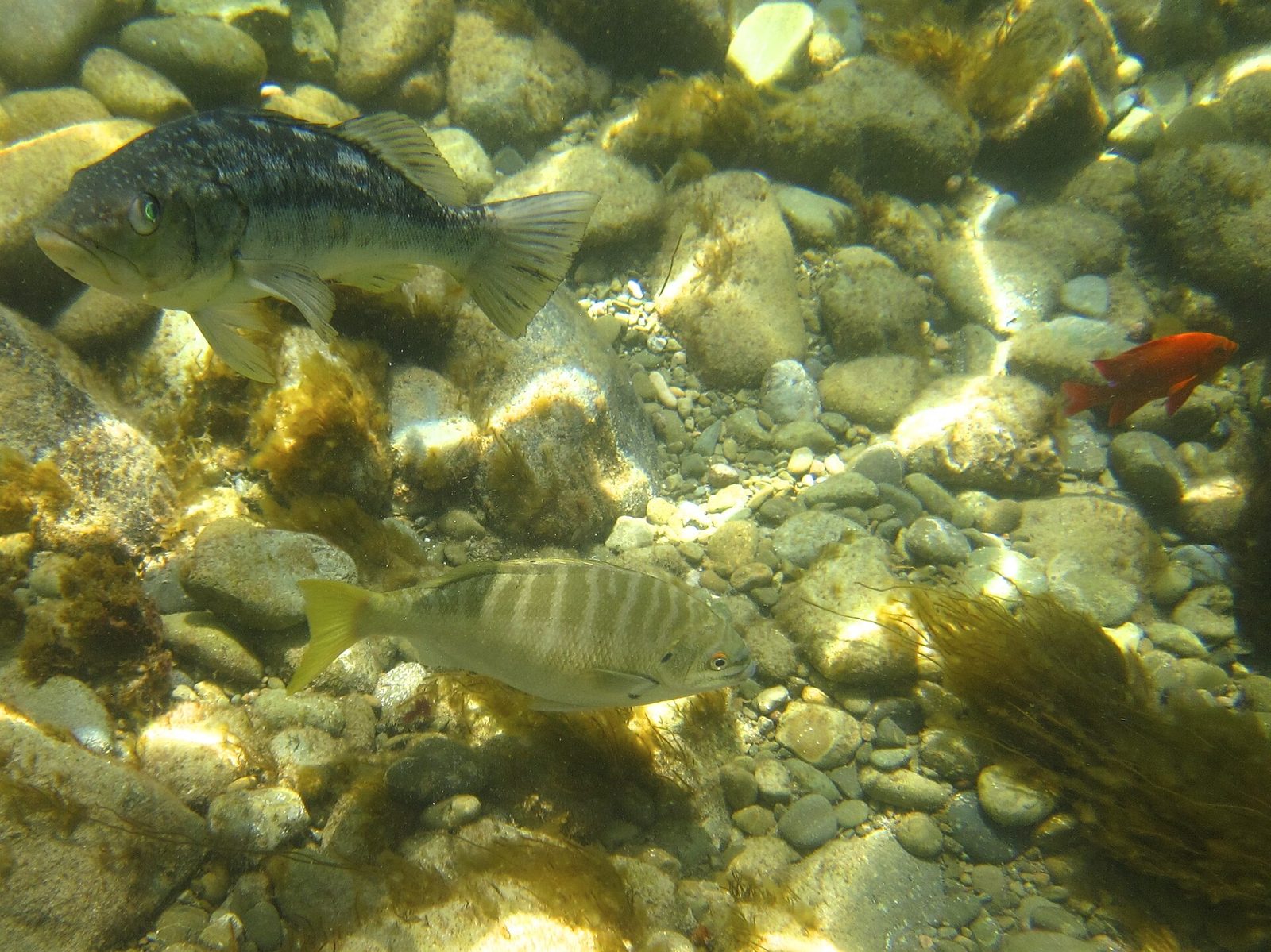
 | Blacksmith56% of REEF surveys | Chromis punctipinnisPomacentridae | Blue-black with small black spots toward the forked tail, up to 25 cm; juveniles are two-toned, blue-grey in front and brownish-orange behind. In schools over rocks and kelp to 46 m (Wikipedia). | FishBase |
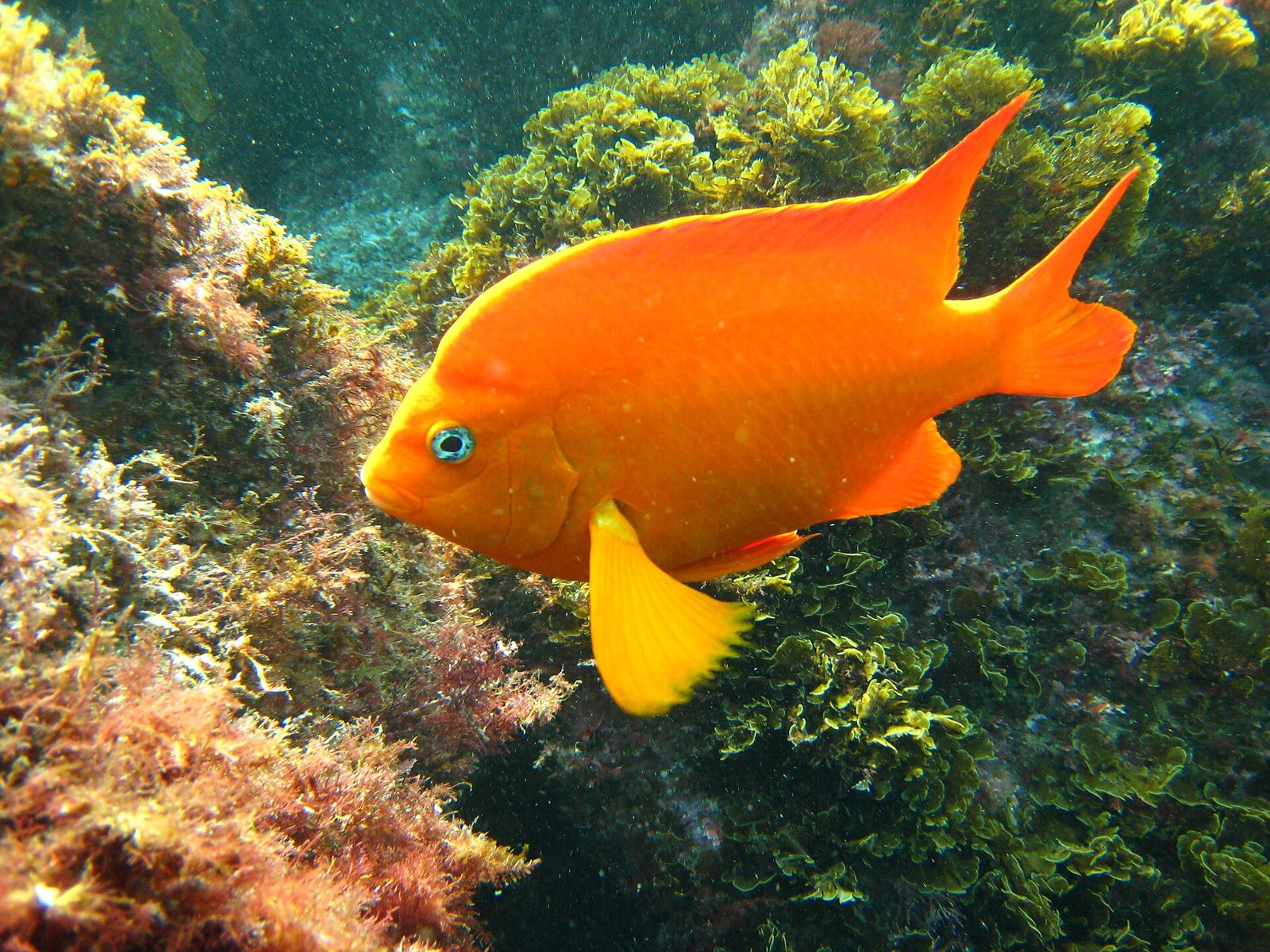
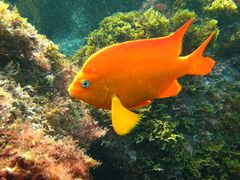 | Garibaldi49% of REEF surveys | Hypsypops rubicundusPomacentridae | Bright orange all over, up to 35.6 cm, the largest damselfish; juveniles are deeper red-orange with small iridescent blue spots and stripes. Males clear a nest and guard the eggs for 19–21 days, and will bite divers. California’s state marine fish since 1995 and protected from all fishing in California waters (Wikipedia). | FishBase |
| Eels Muraenidae · 1 species |
|---|
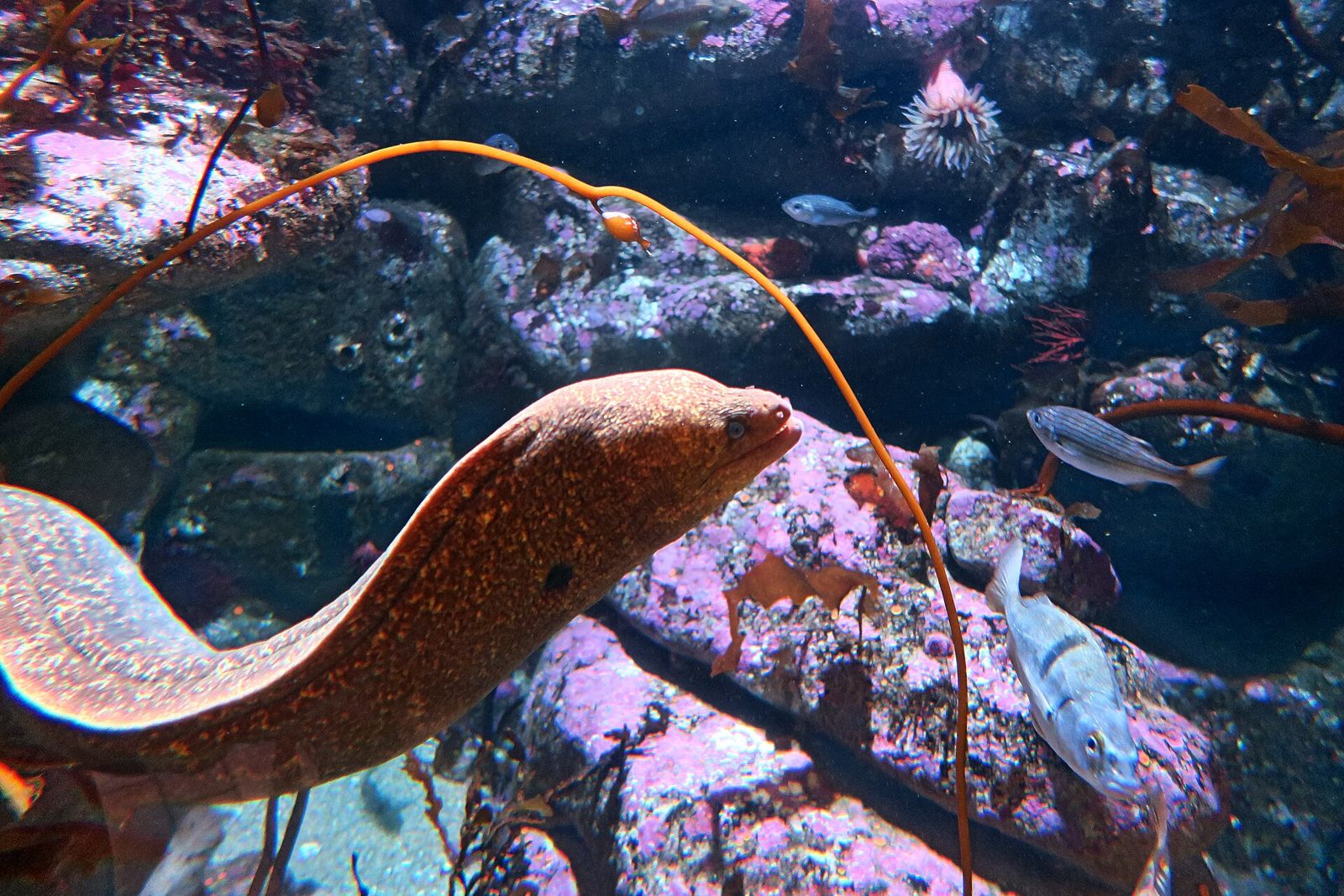
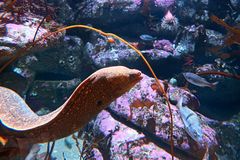 | California moray6% of REEF surveys | Gymnothorax mordaxMuraenidae | Mottled brown to green, up to about 1.5 m, with small eyes and tube-shaped nostrils, usually only its head showing from a crevice. It hunts at night, and red rock shrimp clean its mouth. Densest around the southern Channel Islands (Aquarium of the Pacific). | FishBase |
| Gobies, kelpfish and blennies Chaenopsidae, Clinidae, Gobiidae, Labrisomidae · 5 species |
|---|
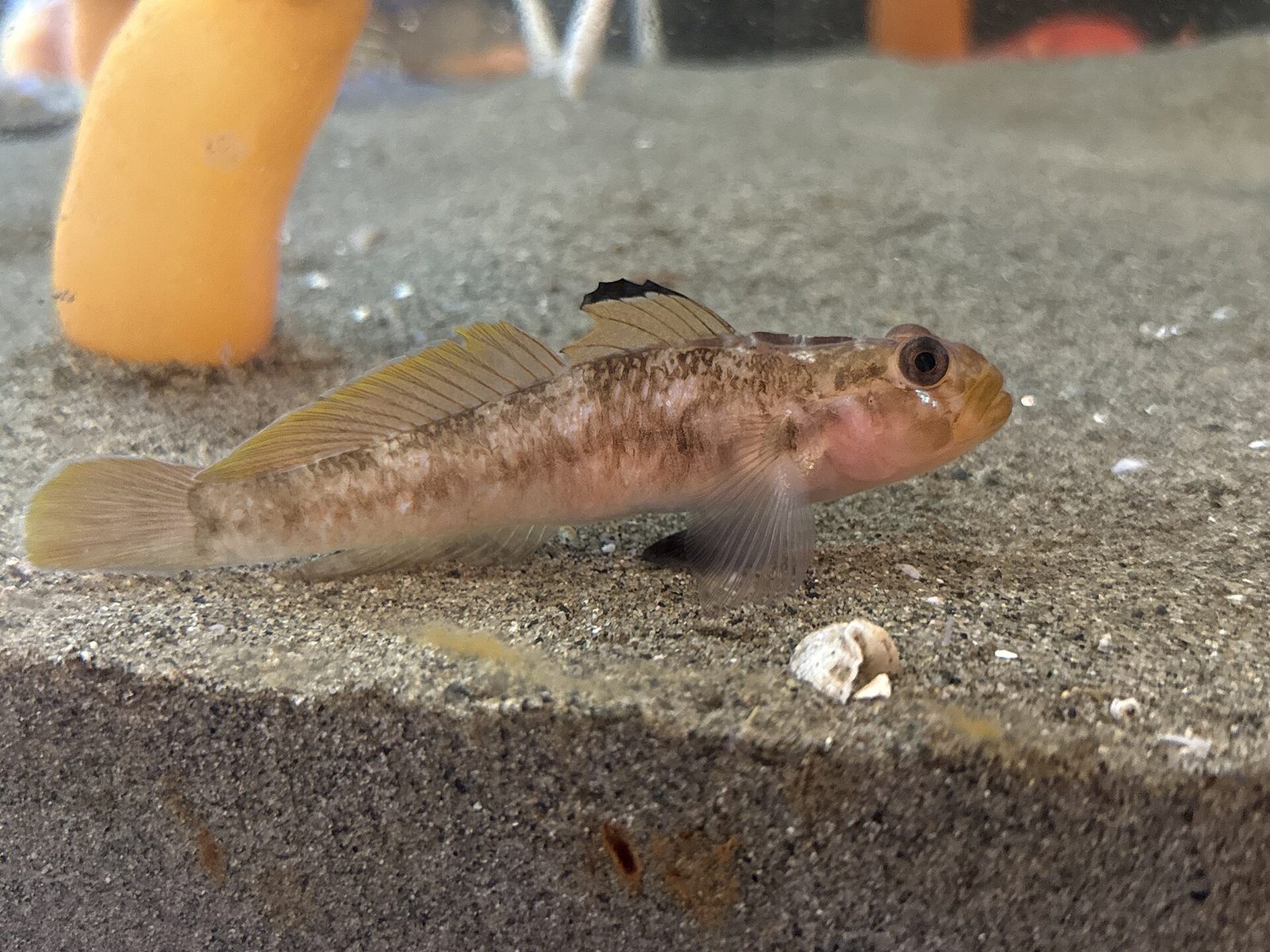
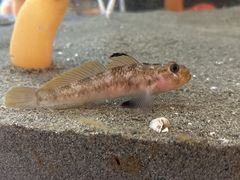 | Blackeye goby58% of REEF surveys | Rhinogobiops nicholsiiGobiidae | Up to about 15 cm, pale with a black upper edge on the first dorsal fin, a fleshy crest on the head and an iridescent blue spot below the eye. Sits where rocky reef meets sand (Wikipedia). | FishBase |
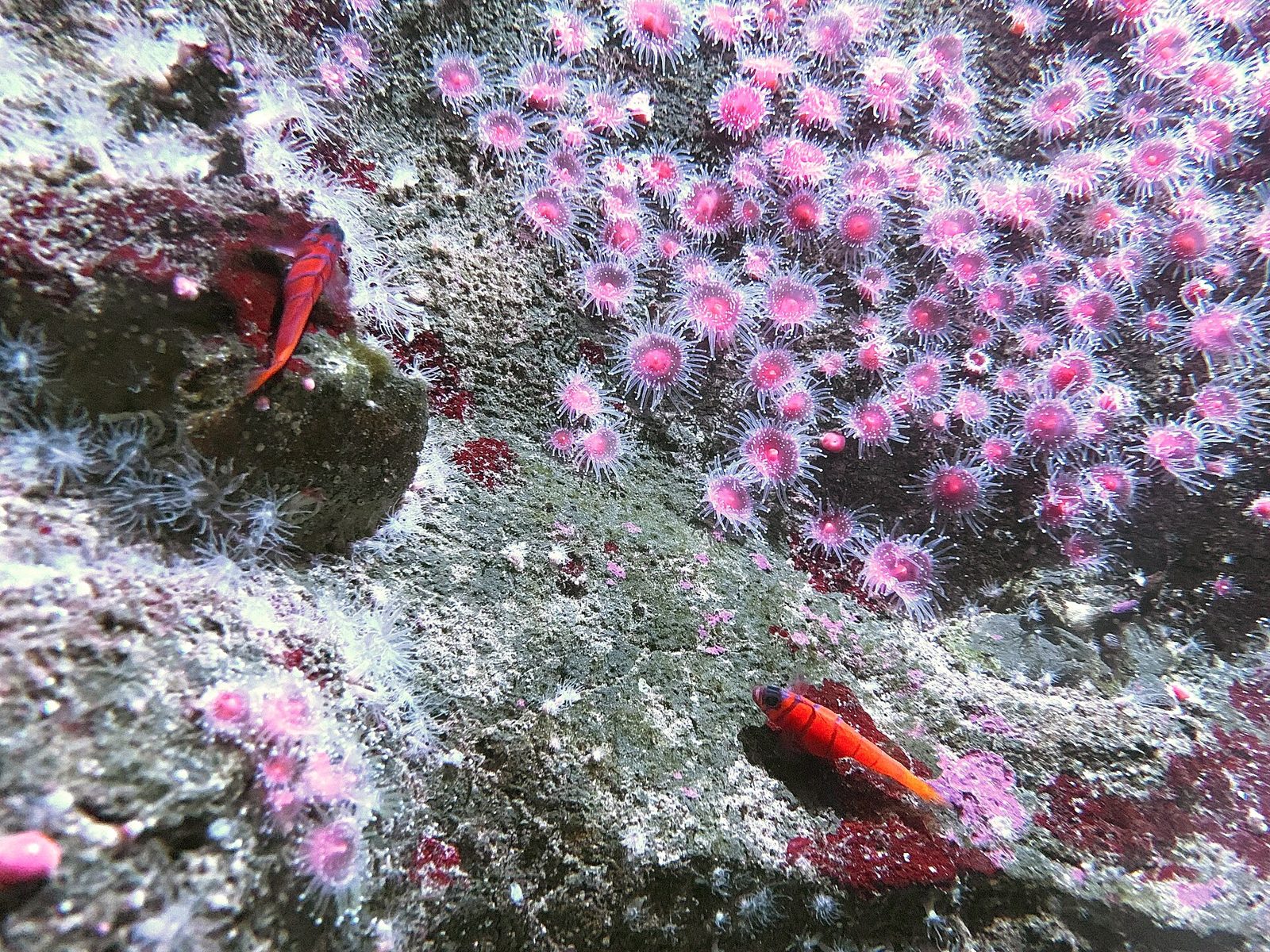
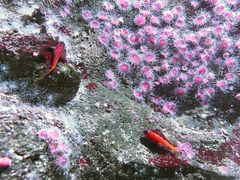 | Bluebanded goby32% of REEF surveys | Lythrypnus dalliGobiidae | Tiny, mostly 1.8–4.5 cm: coral-red with 5–9 blue bands on the front of the body. It hides in crevices or among sea urchin spines (Wikipedia). | FishBase |
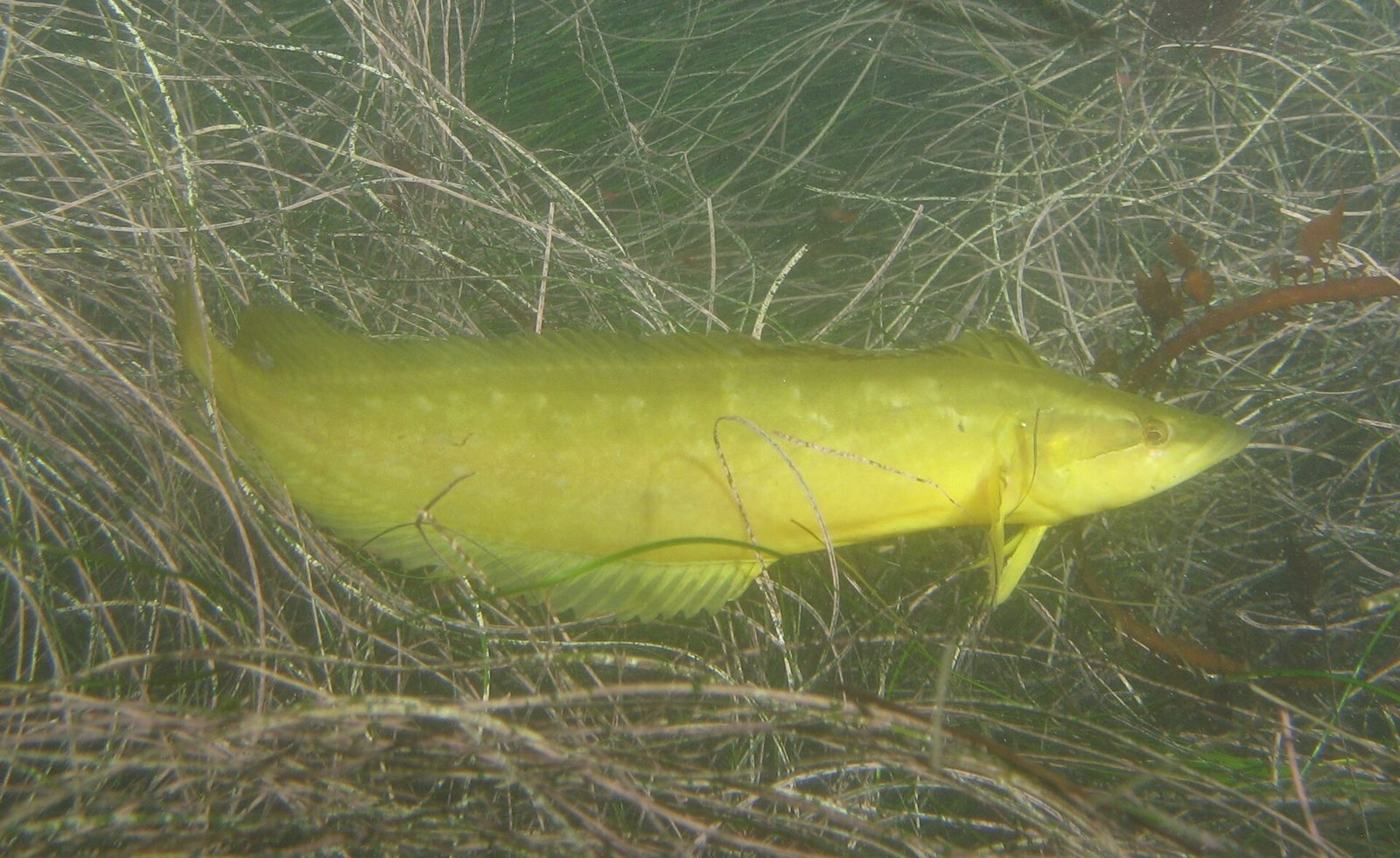
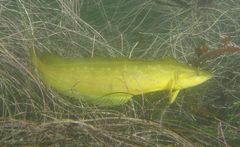 | Giant kelpfish19% of REEF surveys | Heterostichus rostratusClinidae | Long and flattened with a pointed head and a dorsal fin running most of the back, up to about 61 cm. Comes in red, brown and green forms that match the kelp it hides in (Wikipedia). | FishBase |
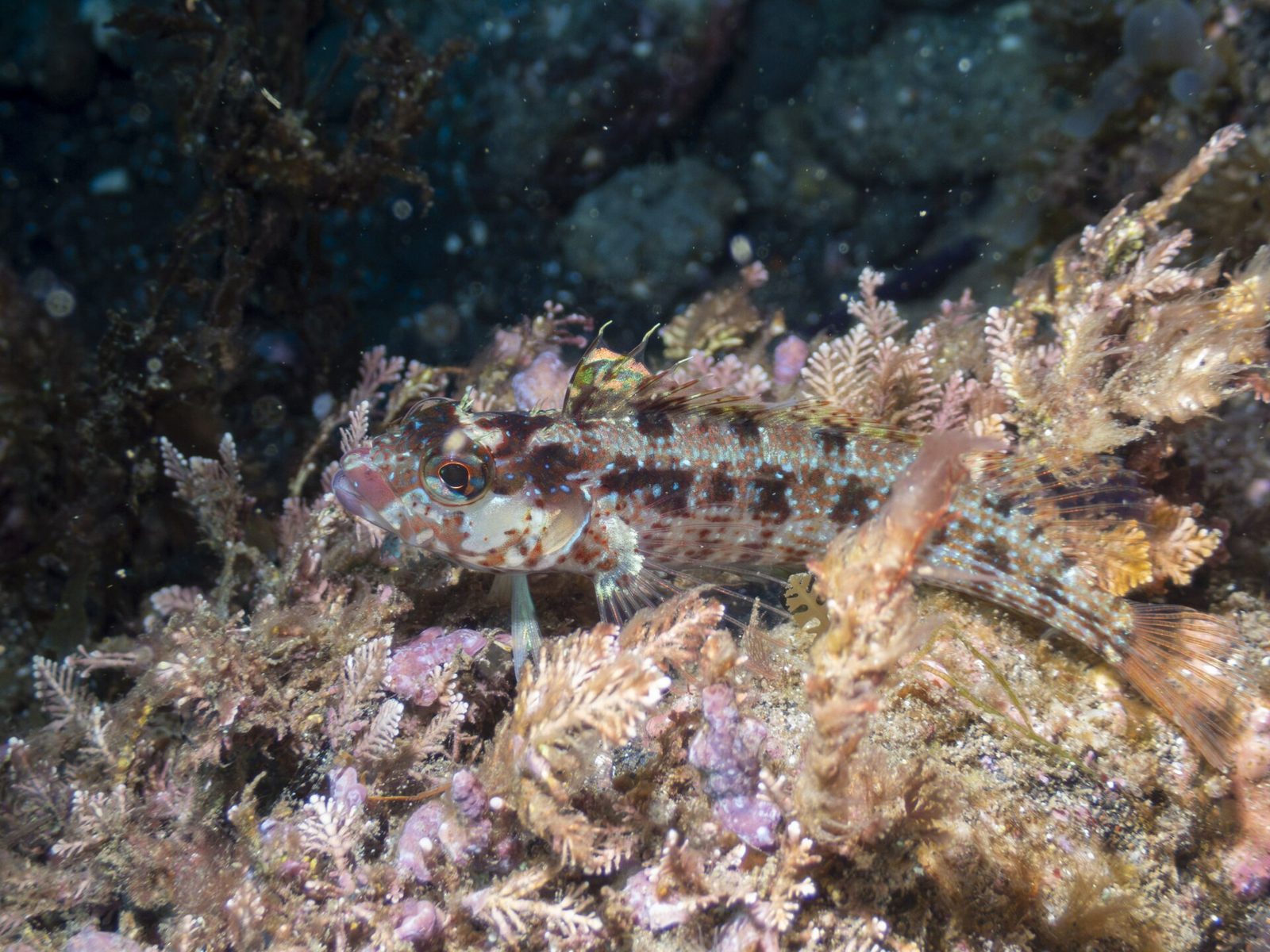
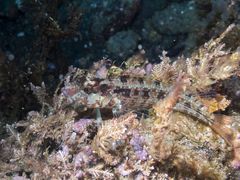 | Island kelpfish9% of REEF surveys | Alloclinus holderiLabrisomidae | Small, usually 5–9 cm; a pale, rounded blotch on the cheek below the eye, and a front dorsal fin as tall as the rear one. It changes colour to match the rock. Abundant around the Southern California islands, occasional on the coast (REEF). | FishBase |
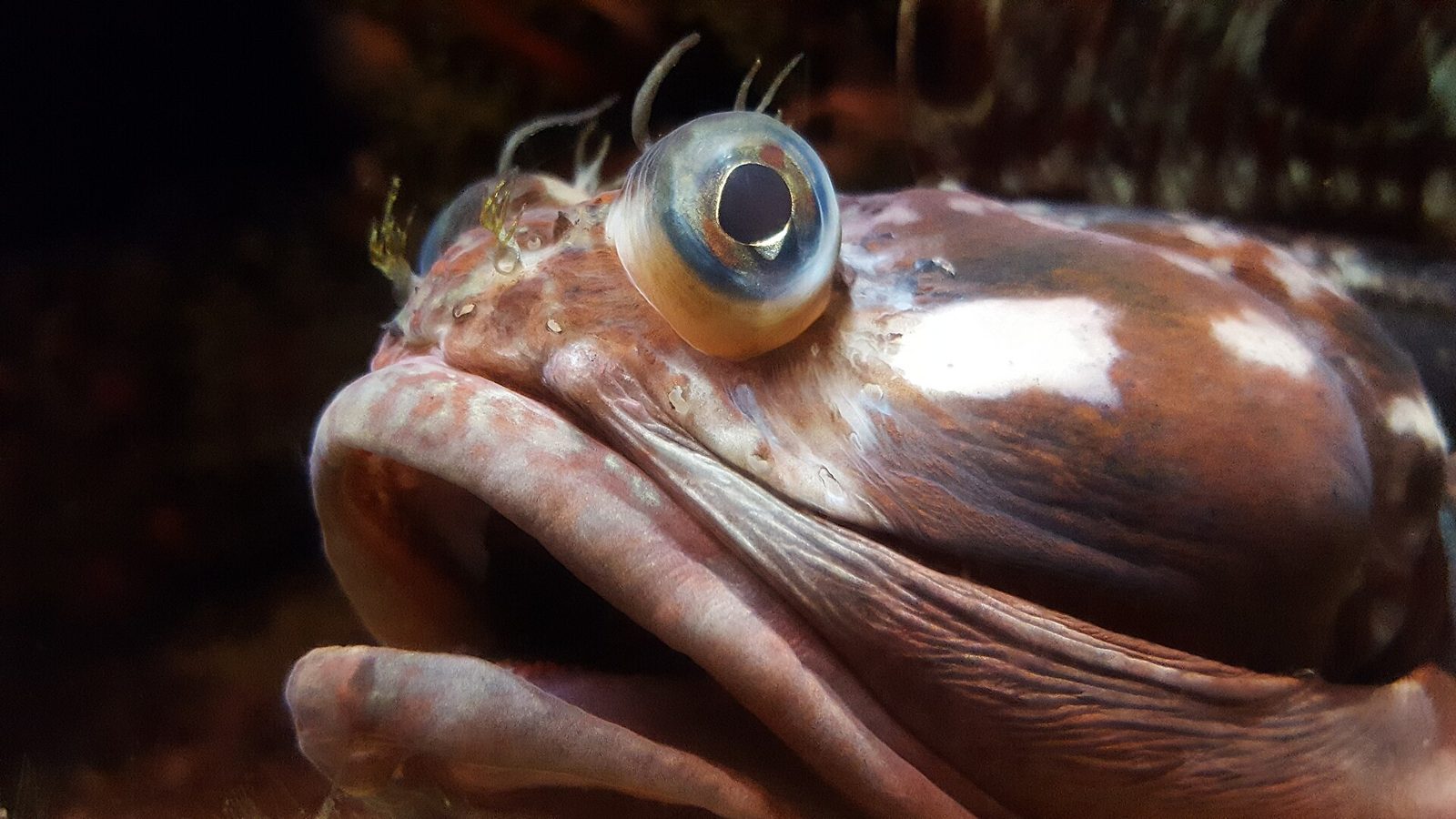
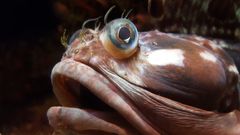 | Sarcastic fringehead13% of REEF surveys | Neoclinus blanchardiChaenopsidae | Up to 30 cm, warm brown to grey and blotchy, often with pale patches on the cheeks; males have blue eyespots ringed in gold on the dorsal fin. It backs into shells, burrows, and even bottles and cans with only its head showing, from 3 to 73 m. Rival males open their huge mouths and press them together to settle which is bigger (Wikipedia). | FishBase |
| Sea bass Serranidae · 2 species |
|---|
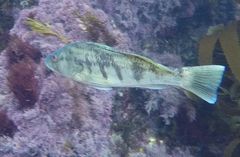 | Barred sand bass26% of REEF surveys | Paralabrax nebuliferSerranidae | Pale grey with dark vertical bars and a long third dorsal spine; up to about 67 cm. On sand near rocks; it gathers to spawn in the warmer months (Wikipedia). | FishBase |
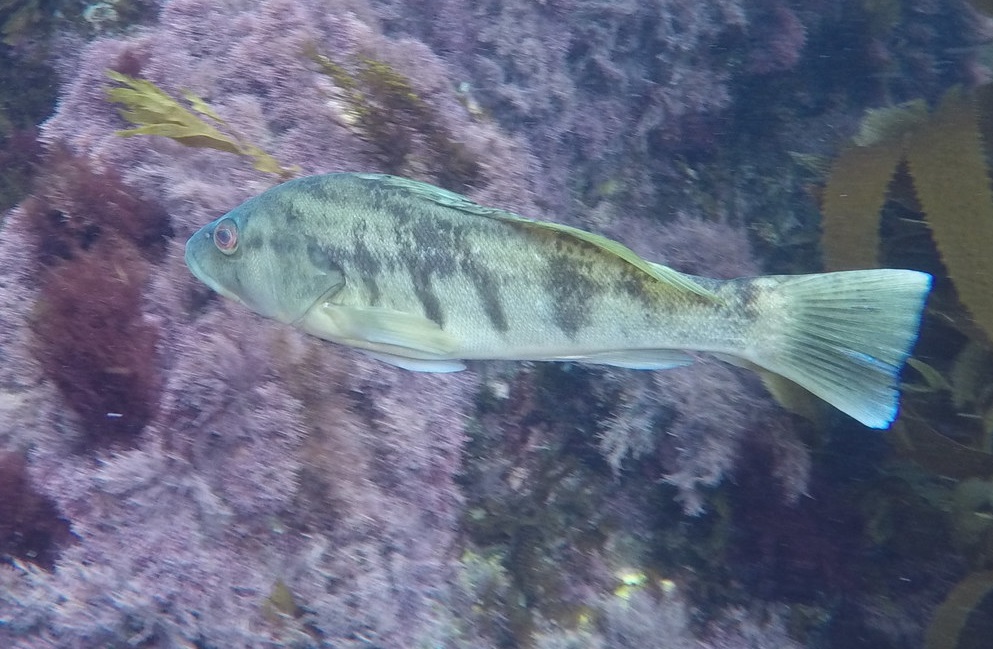
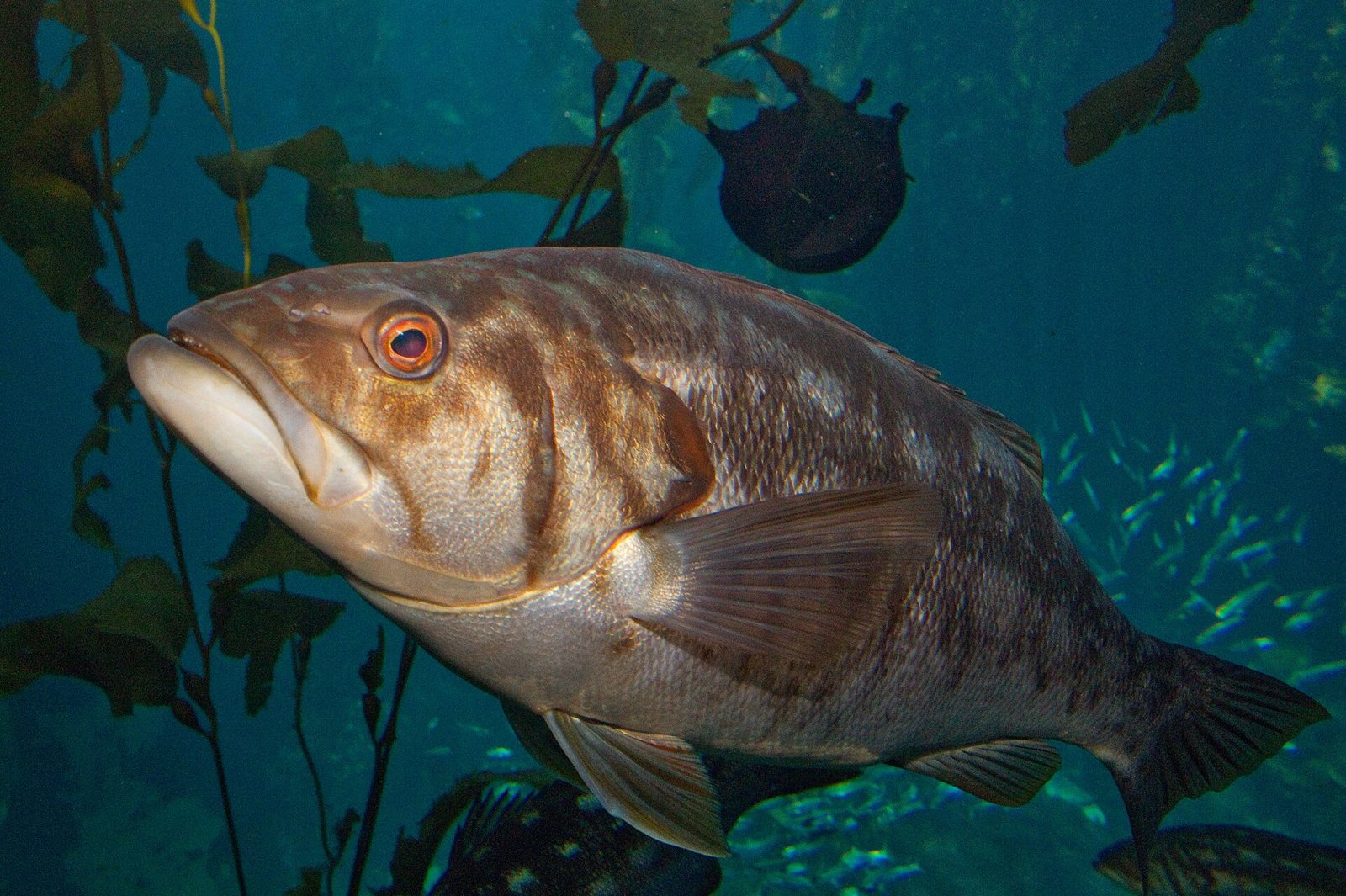
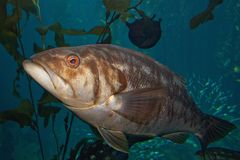 | Kelp bass (calico bass)59% of REEF surveys | Paralabrax clathratusSerranidae | Brown to olive-green with pale blotches, white rectangular spots along the back and yellowish fin tips; up to about 72 cm. In kelp and on nearshore reefs, mostly at 3–21 m (Wikipedia). | FishBase |
| Rockfish and scorpionfish Scorpaenidae, Sebastidae · 13 species |
|---|
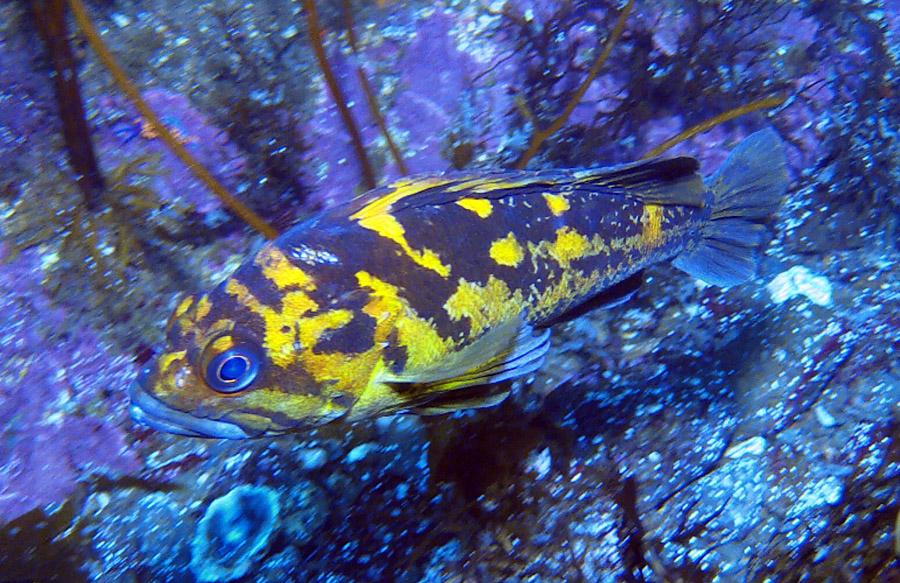
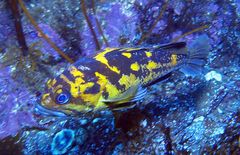 | Black-and-yellow rockfish5% of REEF surveys | Sebastes chrysomelasSebastidae | Black or brown with yellow to orange spots on the back, a pale belly and faint dark stripes around the eyes; about 39 cm. Rocky areas, reefs and kelp from the intertidal to about 37 m, from northern California to central Baja California (Wikipedia). | FishBase |
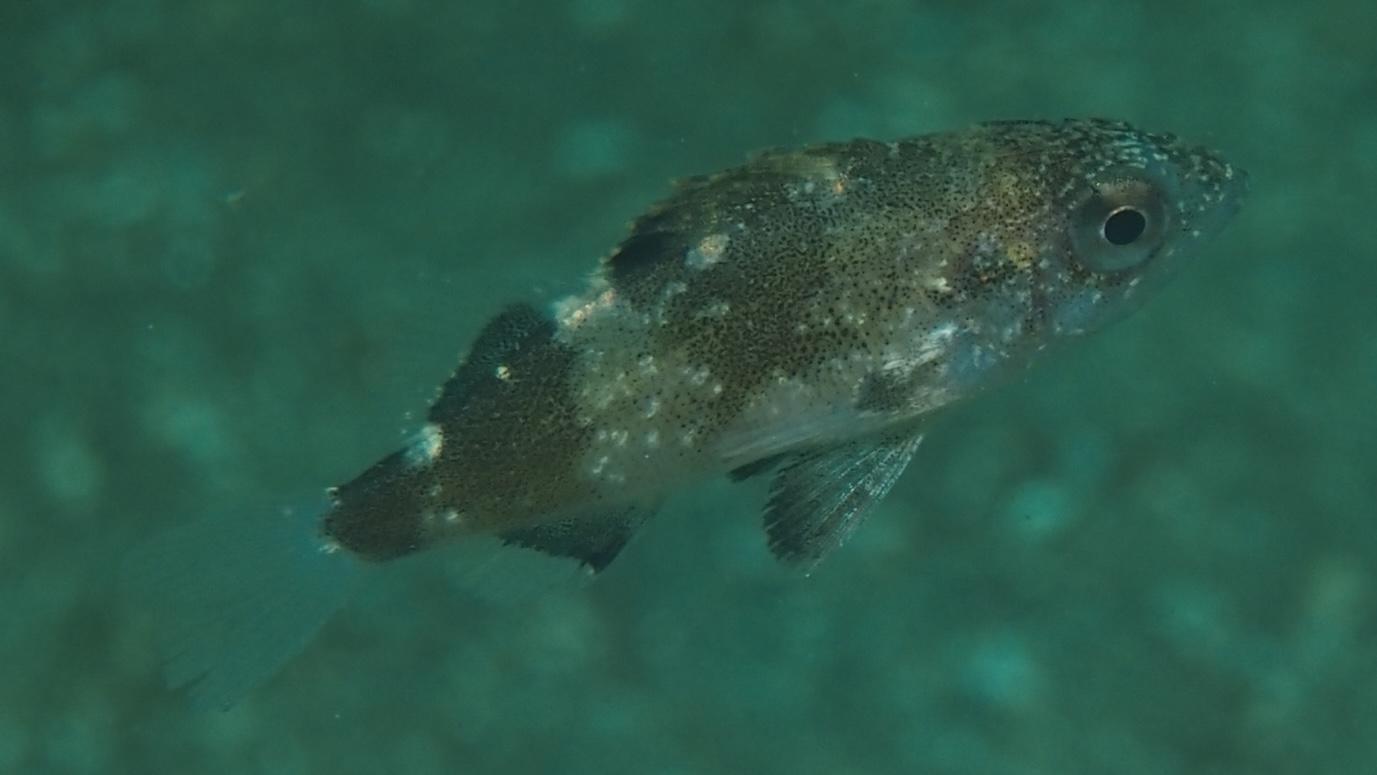
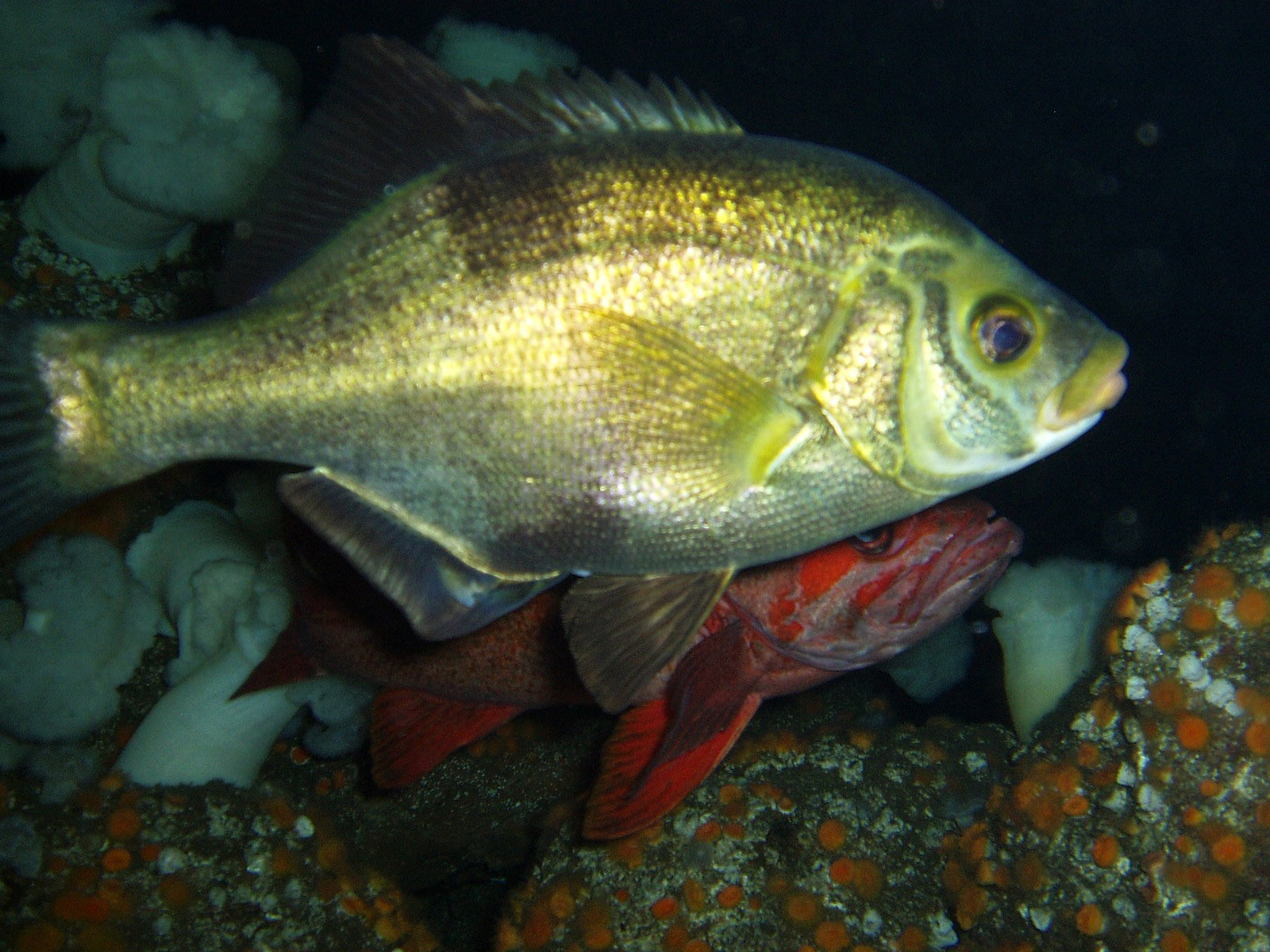
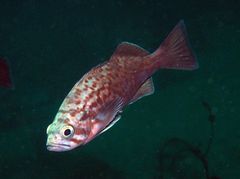 | Blue rockfish8% of REEF surveys | Sebastes mystinusSebastidae | Bluish black to grey with darker mottling and a pair of stripes slanting back from the eye; up to about 55–60 cm. Most live near the surface, down to 90 m. The deacon rockfish, S. diaconus, was split from it in 2015 (Wikipedia). Blue rockfish are listed among the Channel Islands’ common fish (DAN Alert Diver). | FishBase |
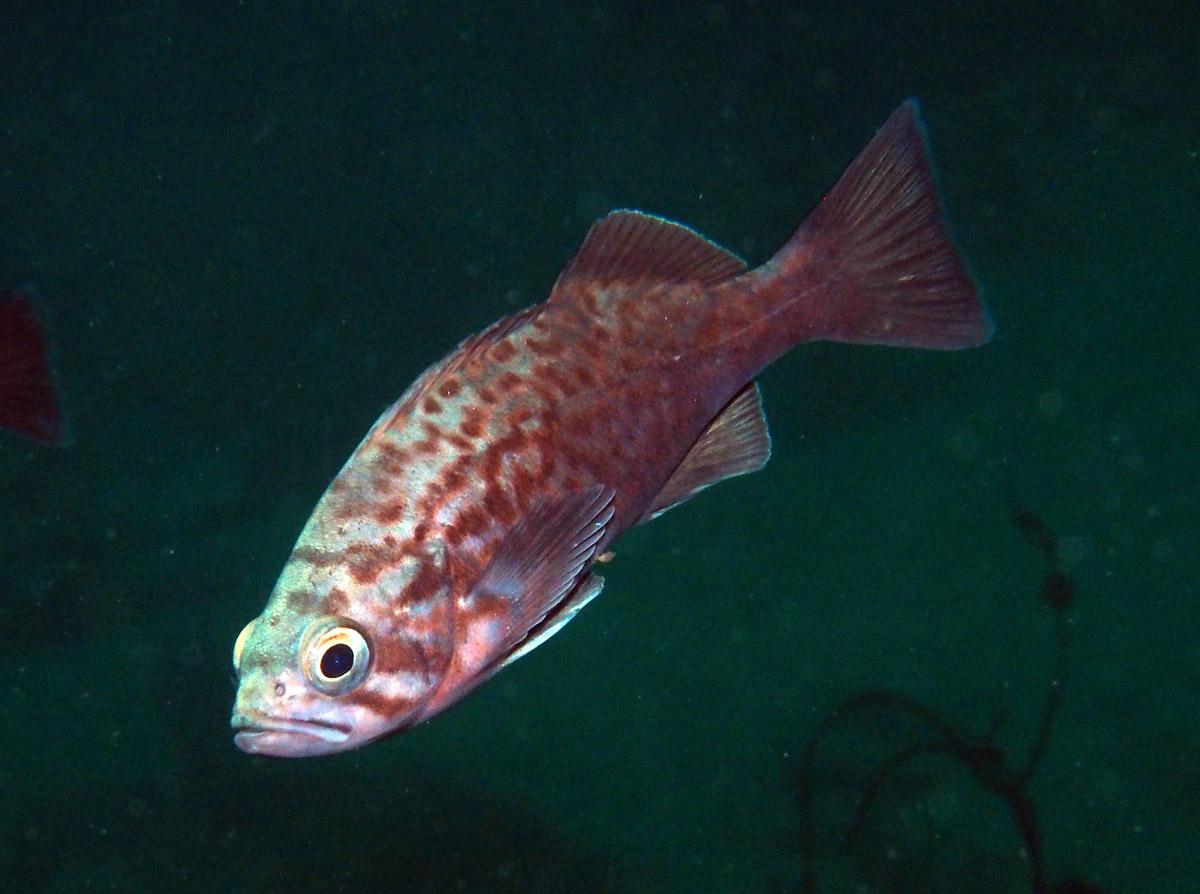
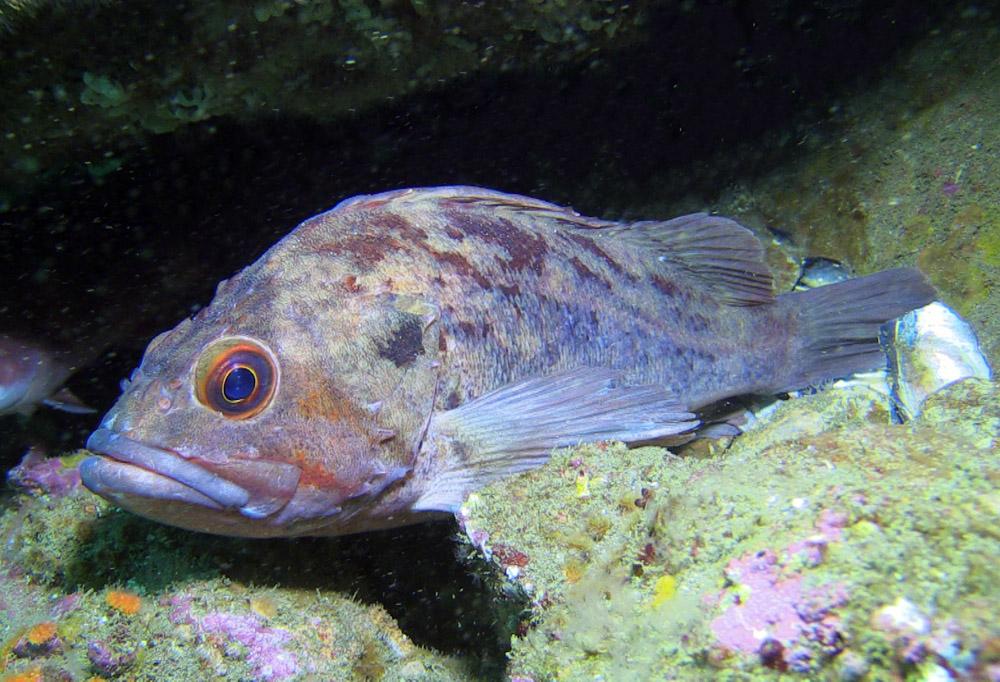
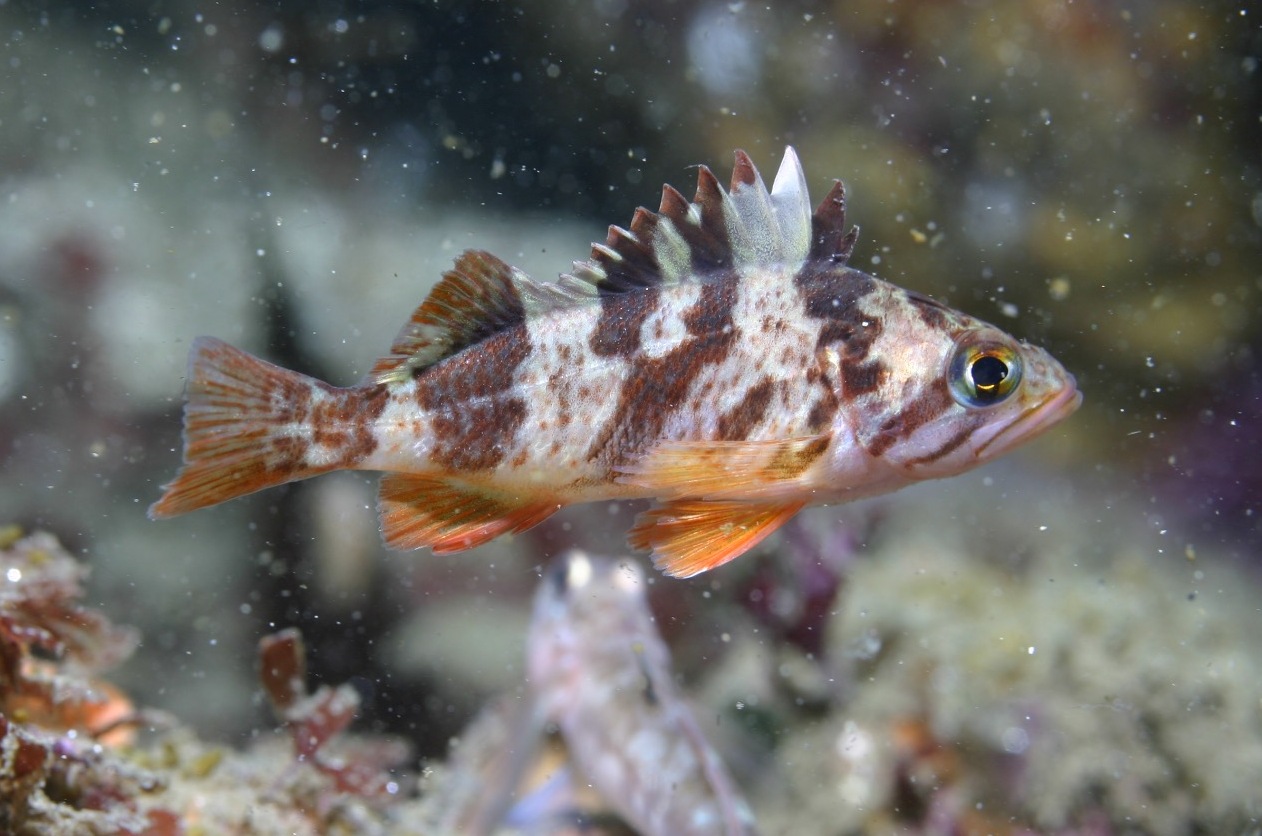
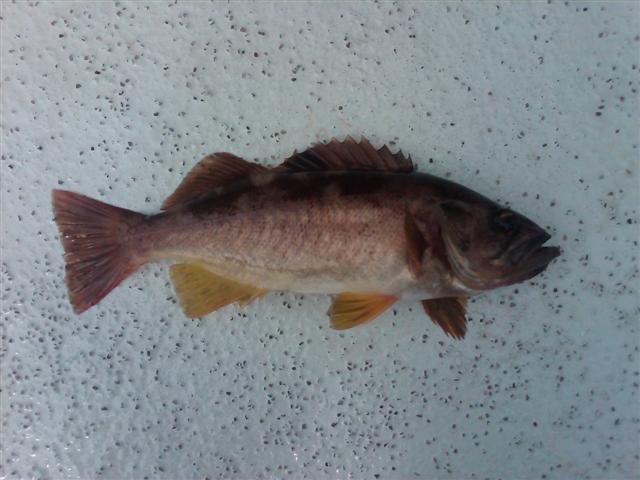
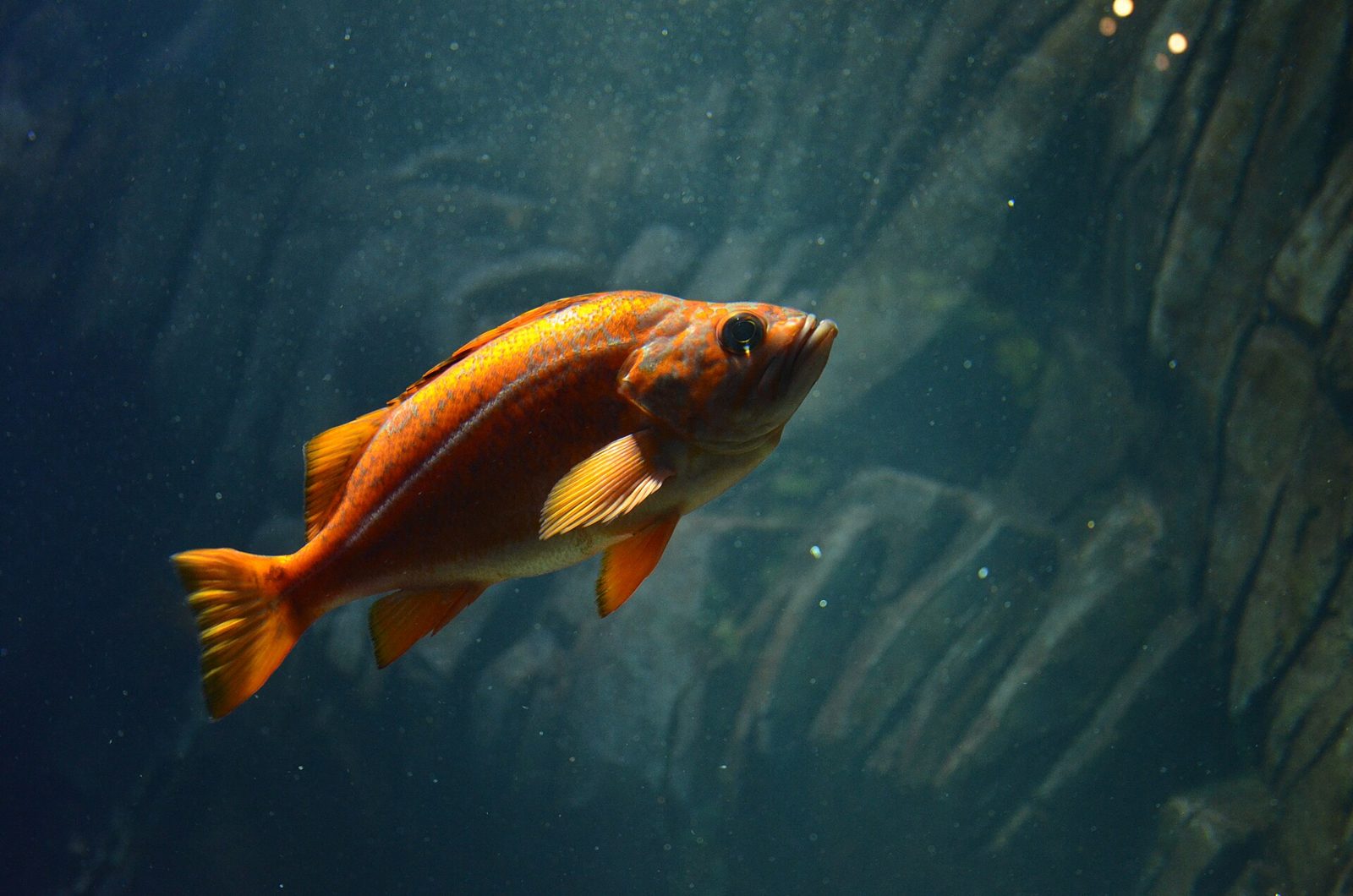
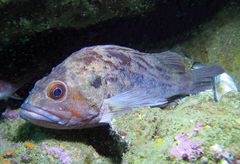 | Brown rockfish12% of REEF surveys | Sebastes auriculatusSebastidae | Reddish brown with many dark markings and a dark spot on the upper rear edge of the gill cover; up to about 56 cm. Rocky areas, bays, piers and other structures, most common from southern Baja to Bodega Bay (Wikipedia). | FishBase |
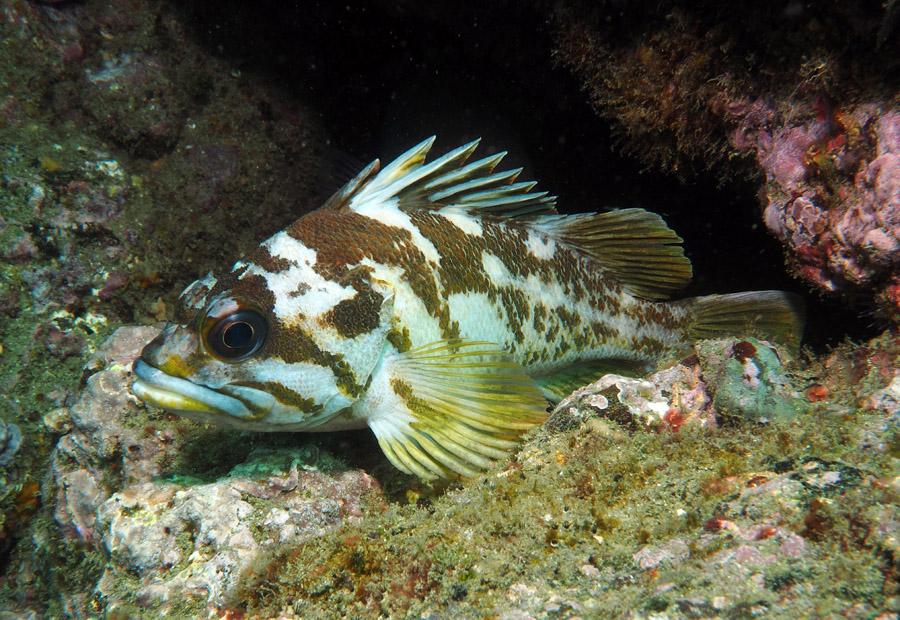
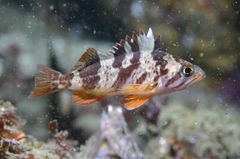 | Calico rockfish1% of REEF surveys | Sebastes dalliiSebastidae | One of the smallest rockfish, about 25 cm: greenish yellow with slanting reddish-brown bars and brown mottling. Where rock meets fine sediment, at about 18–256 m (Wikipedia). | FishBase |
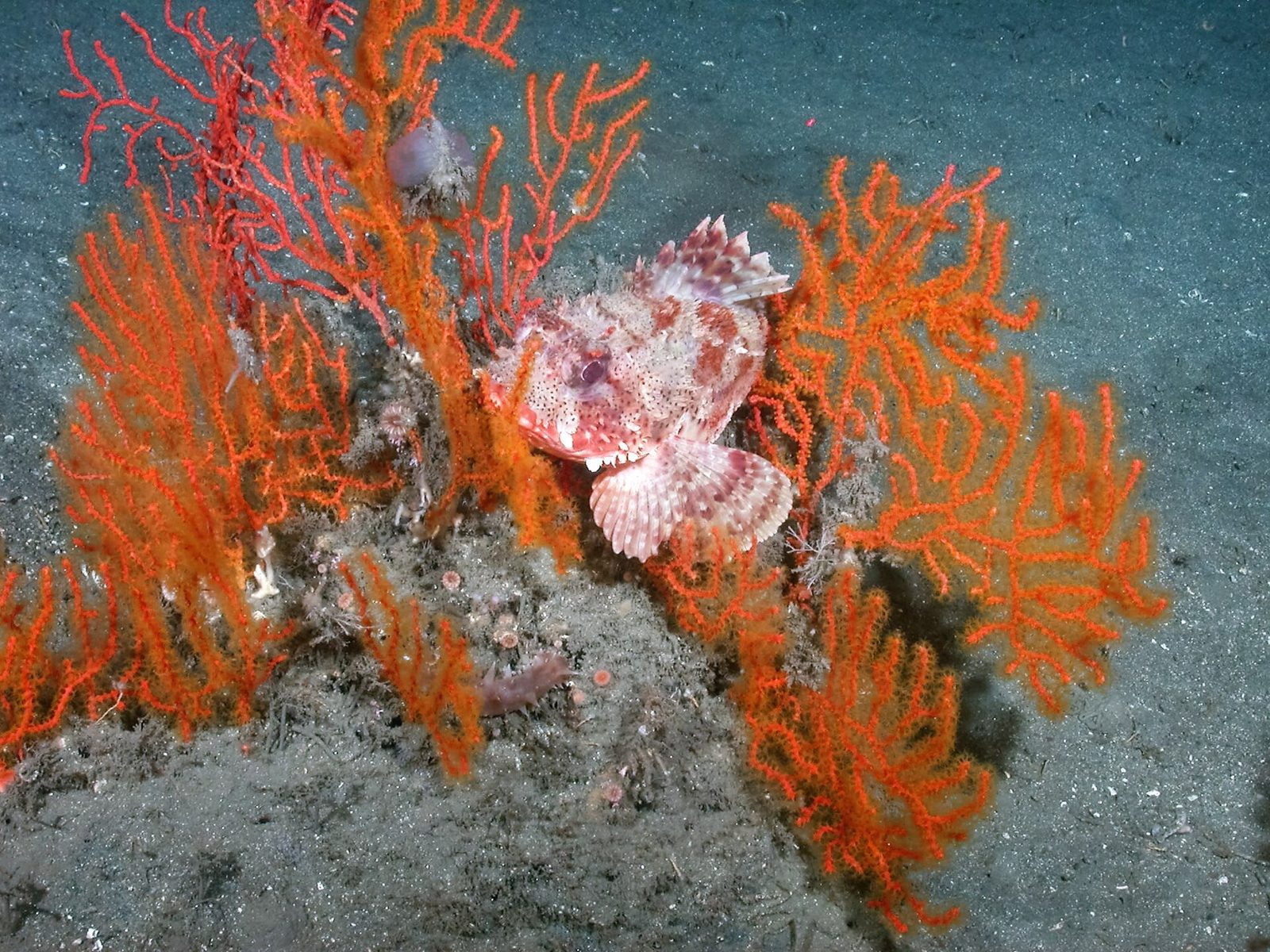
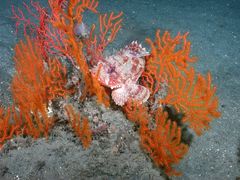 | California scorpionfish17% of REEF surveys | Scorpaena guttataScorpaenidae | Reddish brown with many brown and black spots, especially on the fins, and a spiny head; up to about 43–47 cm. Its fin spines carry venom that can cause severe pain: don’t touch (Wikipedia). | FishBase |
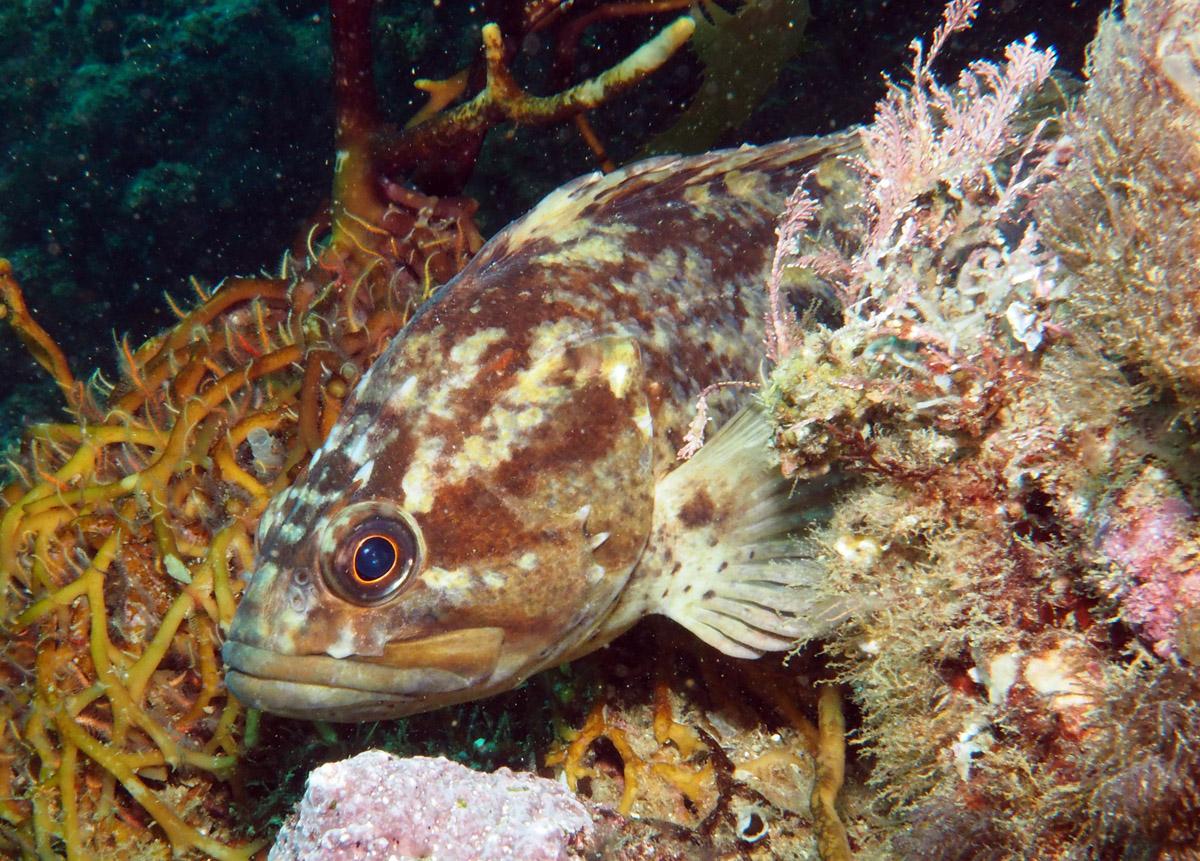
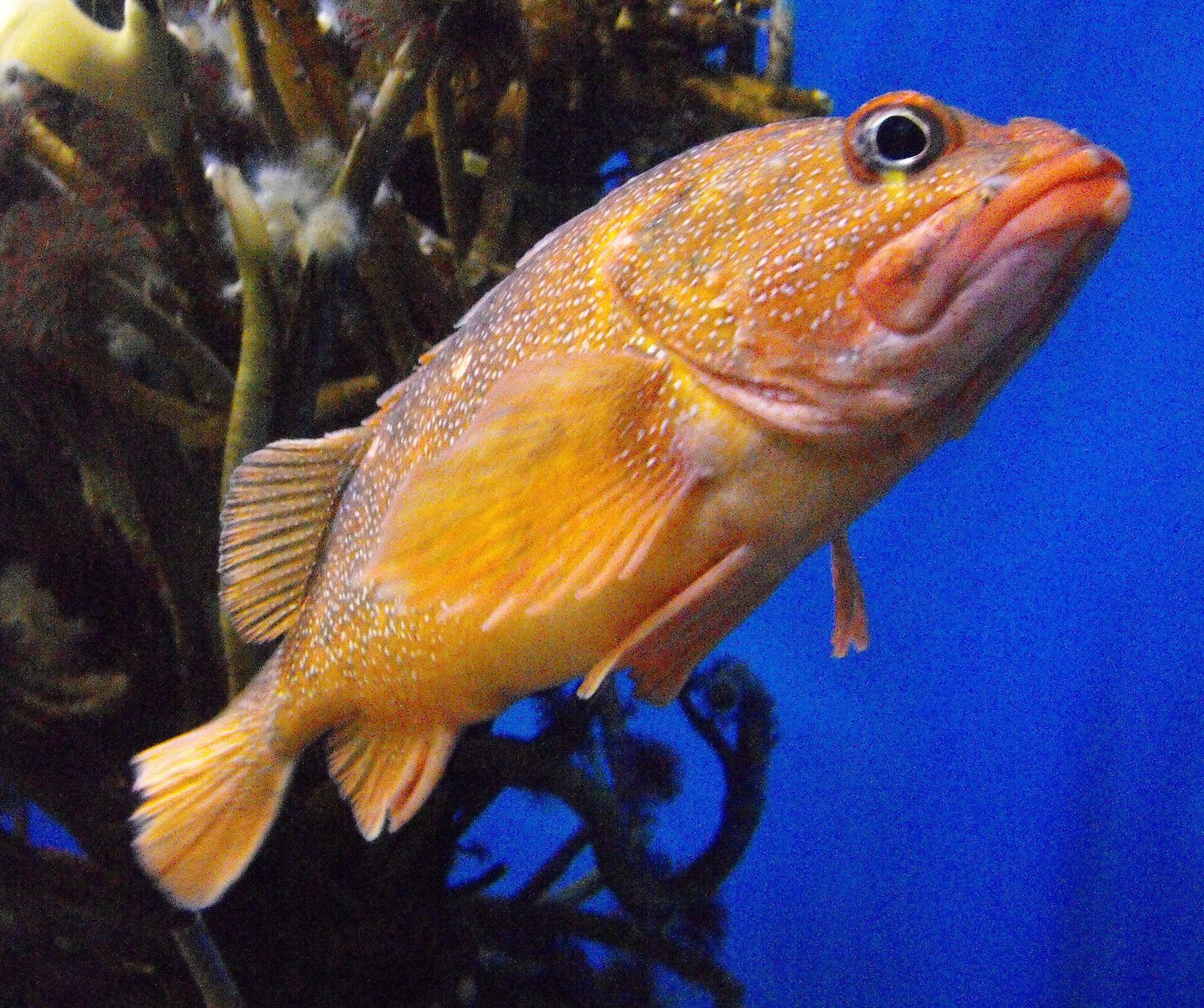
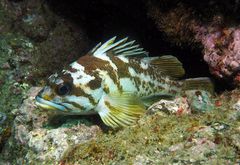 | Copper rockfish5% of REEF surveys | Sebastes caurinusSebastidae | Very variable: dark reddish brown with pale copper blotches, or pinkish brown with yellowish-white mottling on the sides; up to about 66 cm. Close to the bottom in rocky, high-relief areas at 10–183 m (Wikipedia). | FishBase |
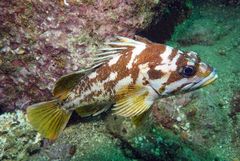 | Gopher rockfish7% of REEF surveys | Sebastes carnatusSebastidae | Dark brown to black with greenish tones, a reddish-brown belly, a row of whitish spots along the back and a dark stripe back from each eye; up to about 43 cm. Solitary and territorial on rocky reefs and in kelp at 12–50 m (Wikipedia). | FishBase |
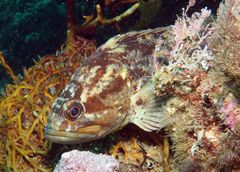 | Grass rockfish2% of REEF surveys | Sebastes rastrelligerSebastidae | Dark green above shading to whitish below, with a wide head tapering to the snout; up to about 56 cm. Shelters in crevices on reefs and in kelp, usually shallower than 15 m (Wikipedia). | FishBase |
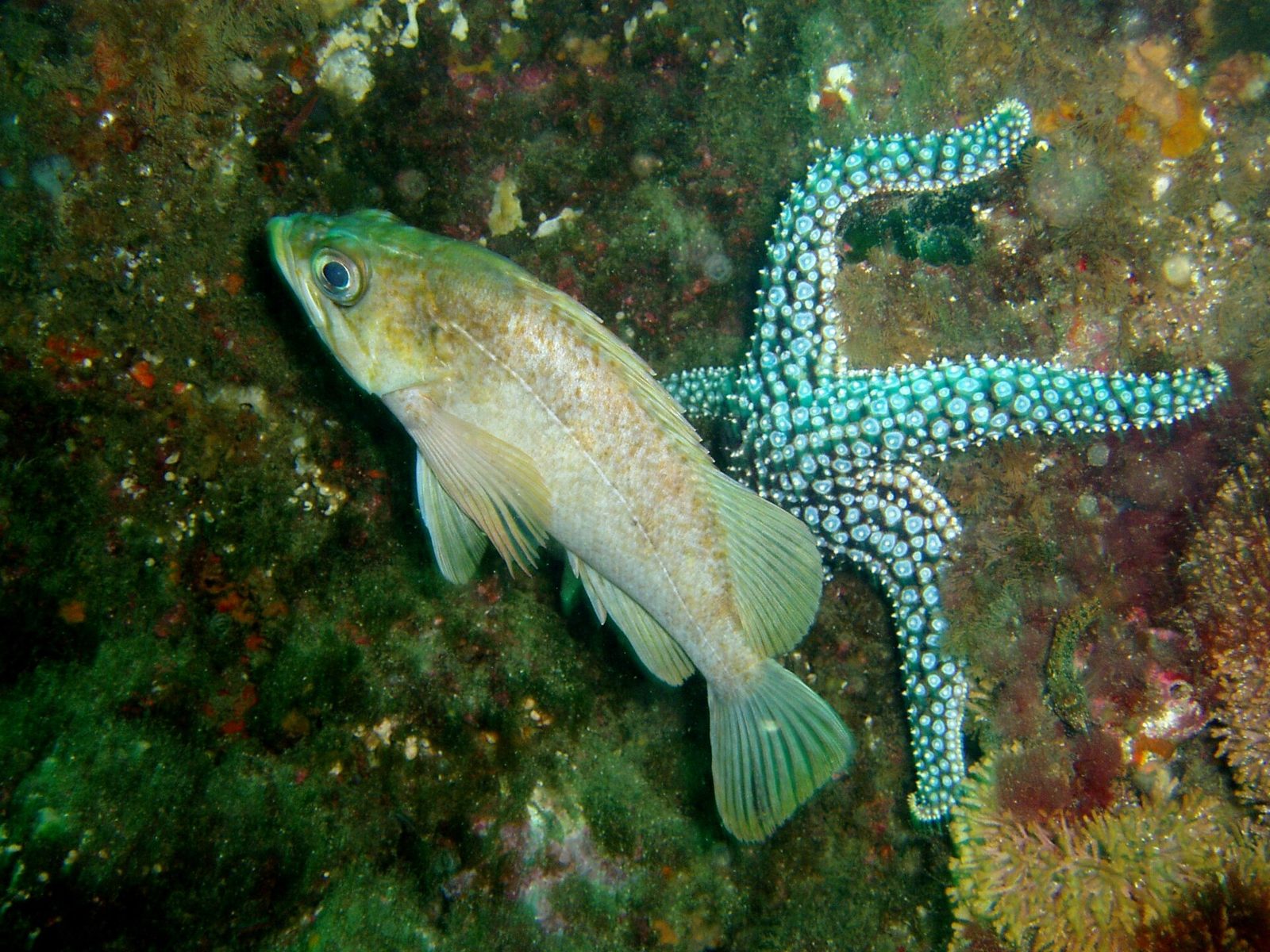
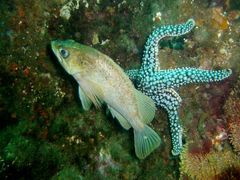 | Kelp rockfish16% of REEF surveys | Sebastes atrovirensSebastidae | Tan, brown, green, reddish or blackish, often mottled, with an upturned-looking snout; up to about 42 cm. By day it rests on kelp blades, sometimes upside down, and it hunts at night (Wikipedia). | FishBase |
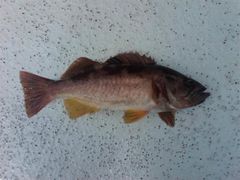 | Olive rockfish9% of REEF surveys | Sebastes serranoidesSebastidae | Dark greenish brown to brown above, with pale blotches below the dorsal fin and olive fins tinged with yellow; up to about 61 cm. Usually shallower than 30 m near kelp, often mixed with blue rockfish (Wikipedia). | FishBase |
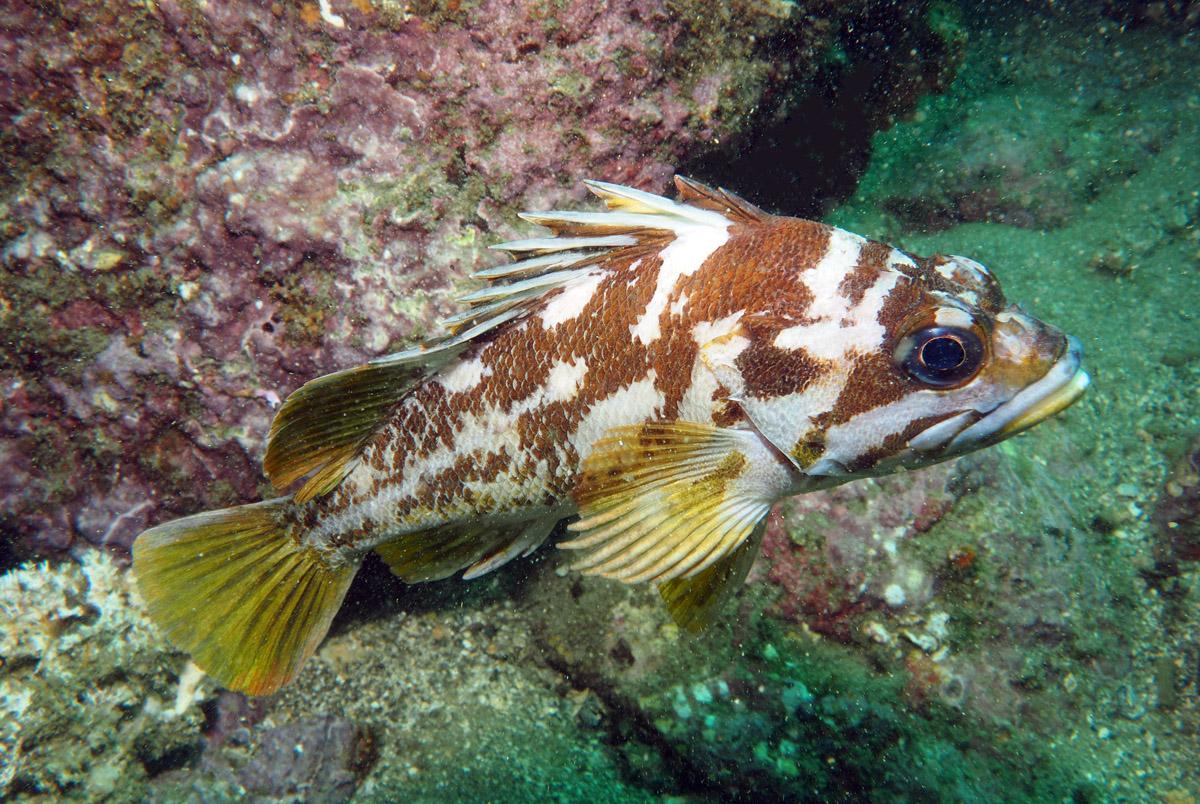
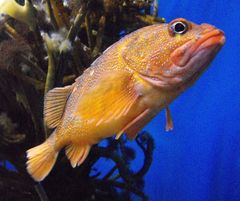 | Starry rockfish<1% of REEF surveys | Sebastes constellatusSebastidae | Orange-red with large white blotches on the upper sides and many small white spots; up to about 46 cm. Usually at 60–149 m, deeper than most recreational dives, though recorded from 24 m (Wikipedia). | FishBase |
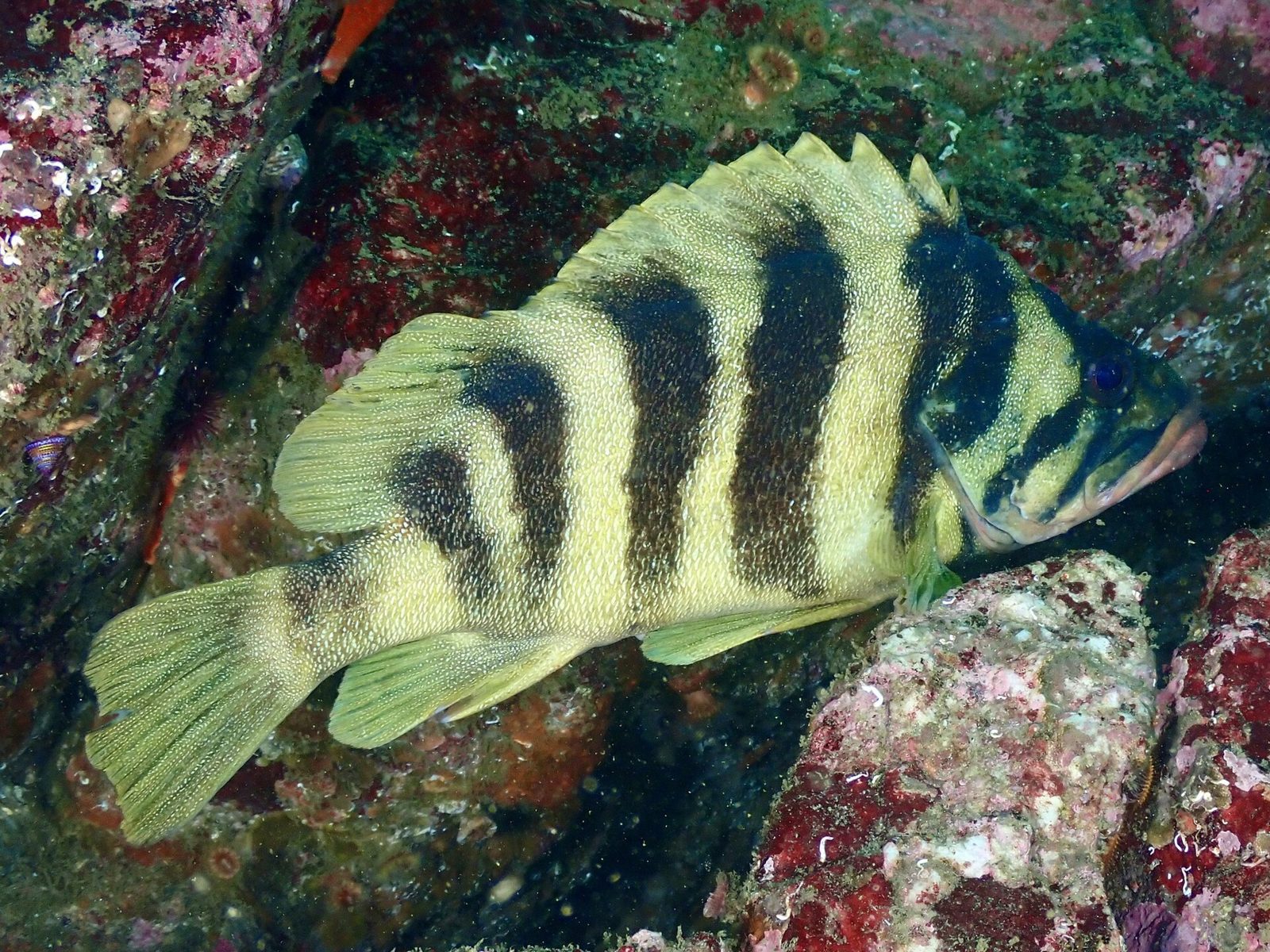
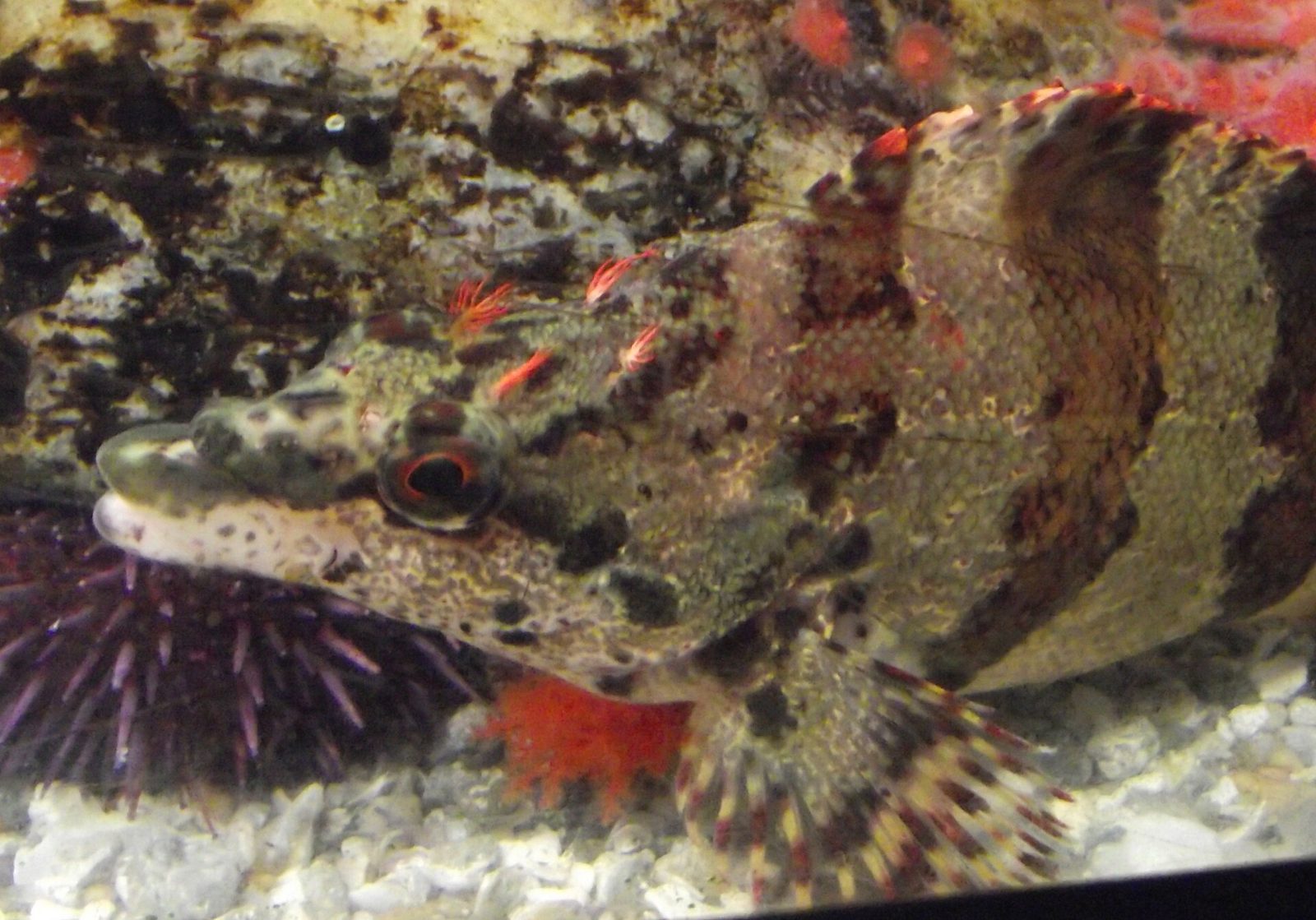
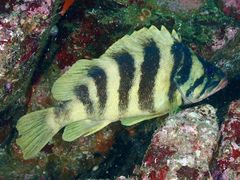 | Treefish16% of REEF surveys | Sebastes serricepsSebastidae | Yellow with six dark vertical bars and bright red lips; up to about 41 cm. Solitary and territorial, often in a crevice with only its head showing, at 5–90 m (Wikipedia). | FishBase |
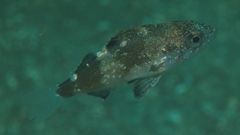 | Vermilion rockfish11% of REEF surveys | Sebastes miniatusSebastidae | Dark red to vermilion with grey or black spots, black-edged red fins and three faint yellow or orange stripes from the eyes; up to about 91 cm. Around rocky reefs from about 6 to 250 m (Wikipedia). | FishBase |
| Sculpins and greenlings Cottidae, Hexagrammidae · 3 species |
|---|
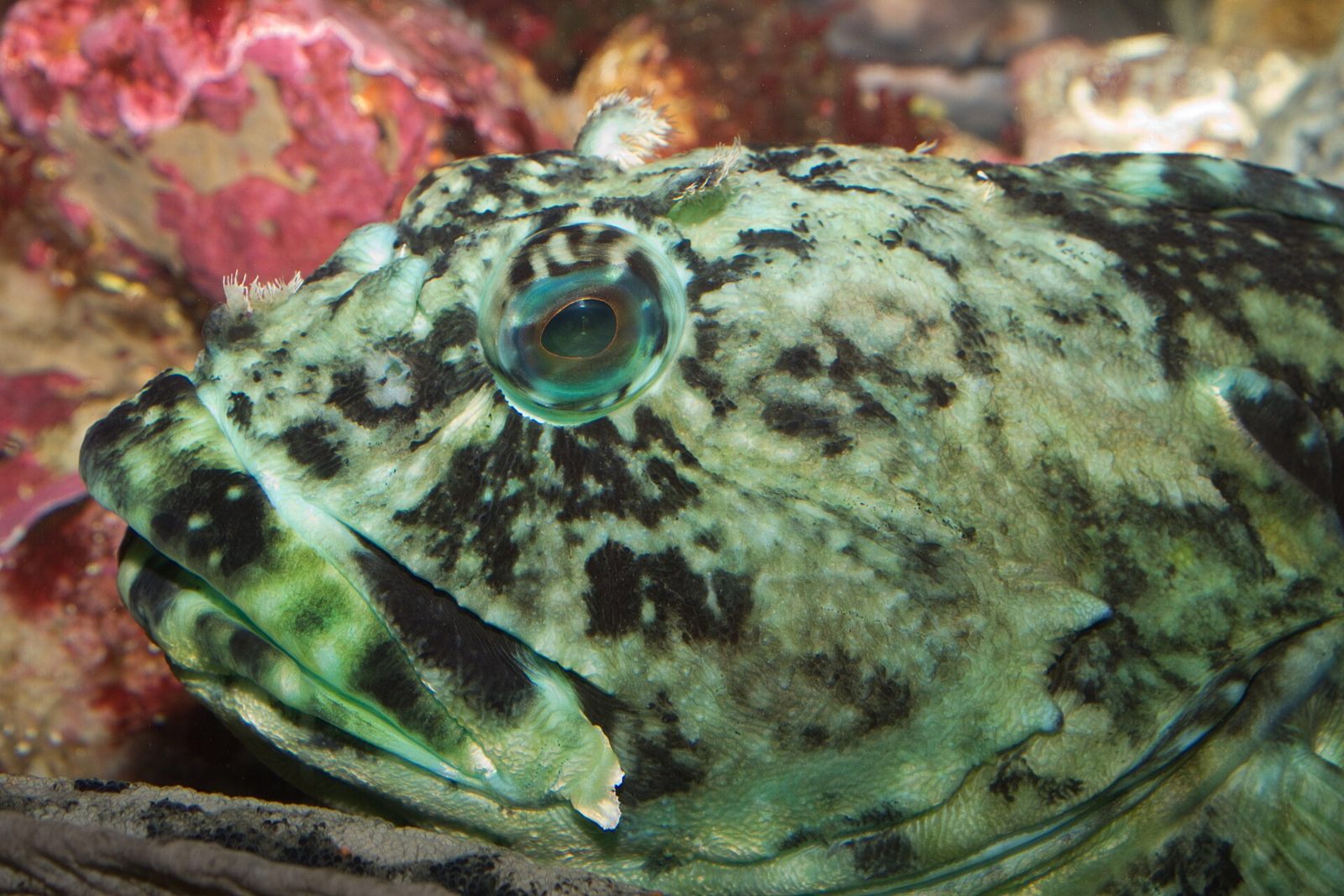
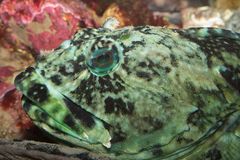 | Cabezon11% of REEF surveys | Scorpaenichthys marmoratusCottidae | A large scaleless sculpin, up to about 99 cm: mottled brown, green or red with a pair of fleshy tentacle-like cirri behind the eyes (Wikipedia). | FishBase |
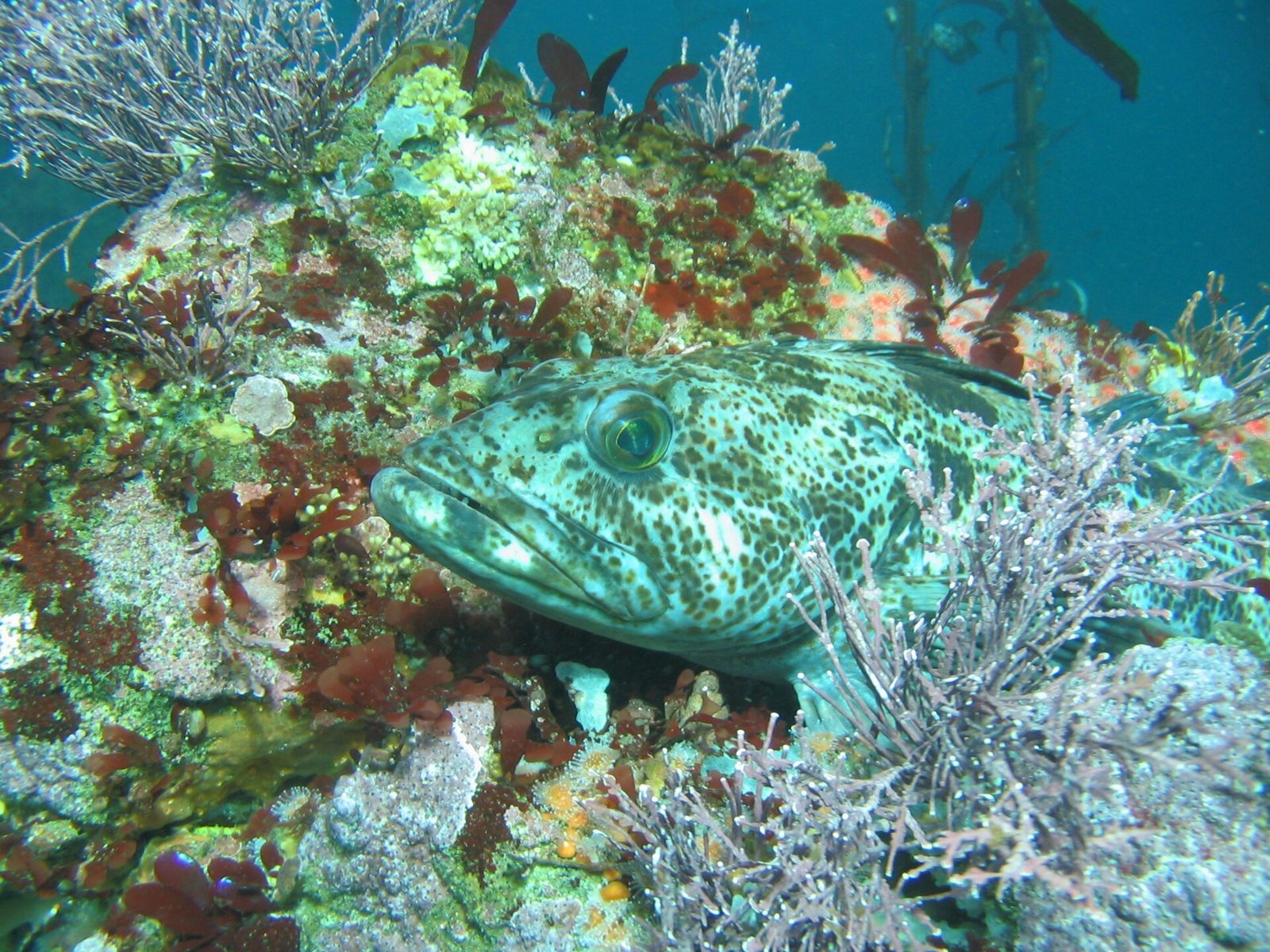
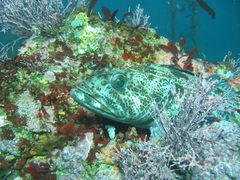 | Lingcod5% of REEF surveys | Ophiodon elongatusHexagrammidae | A greenling, not a cod: a large head and big mouth with canine-like teeth, mottled grey-green or brown; up to about 152 cm. In winter males guard egg masses under rocks (Wikipedia). | FishBase |
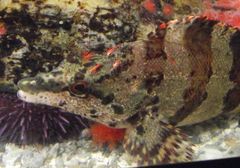 | Painted greenling46% of REEF surveys | Oxylebius pictusHexagrammidae | Greyish brown with five to seven broad reddish bars and a long head with a pointed snout; in rocky areas shallower than 50 m (Wikipedia). | FishBase |
| Sea chubs Kyphosidae · 3 species |
|---|
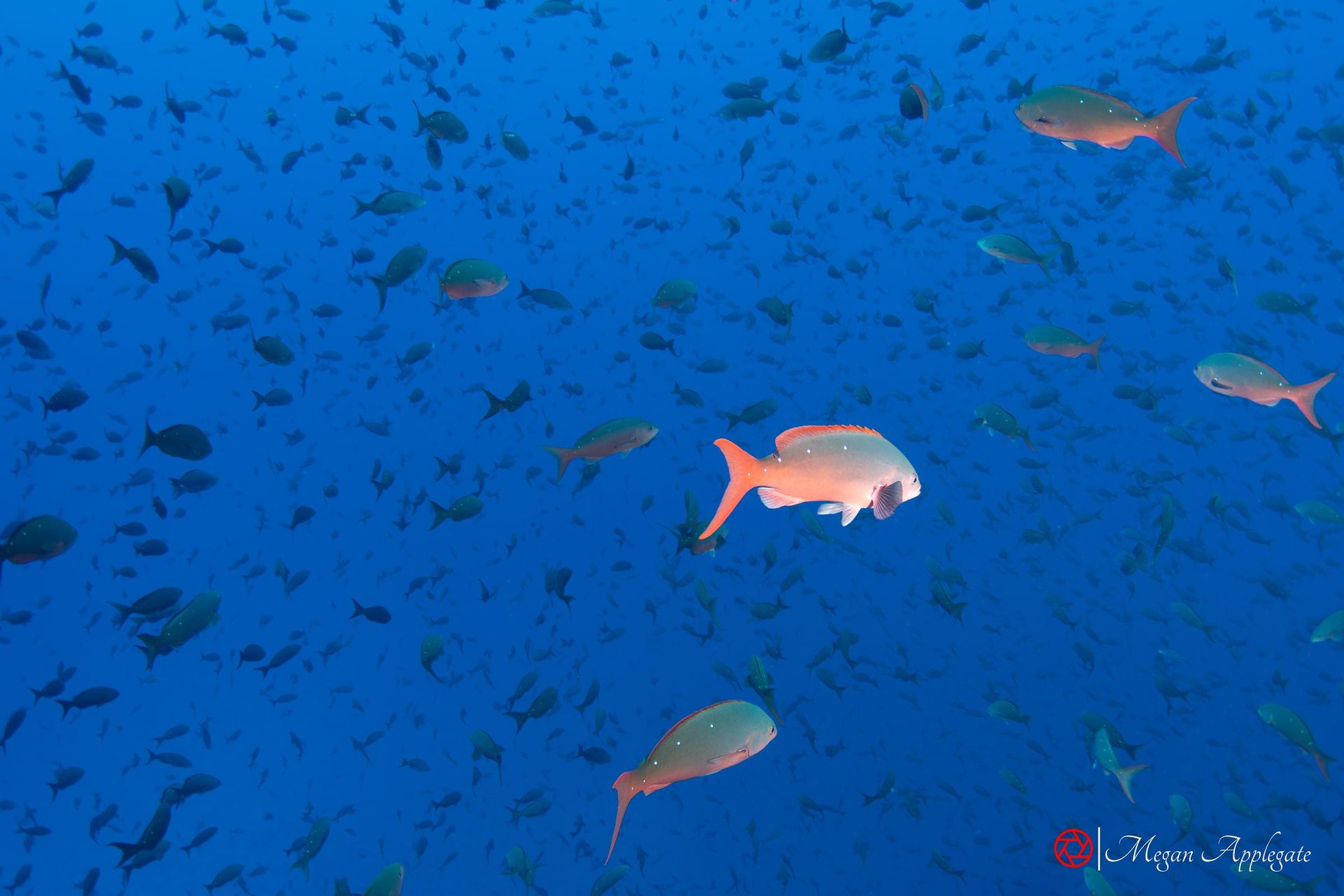
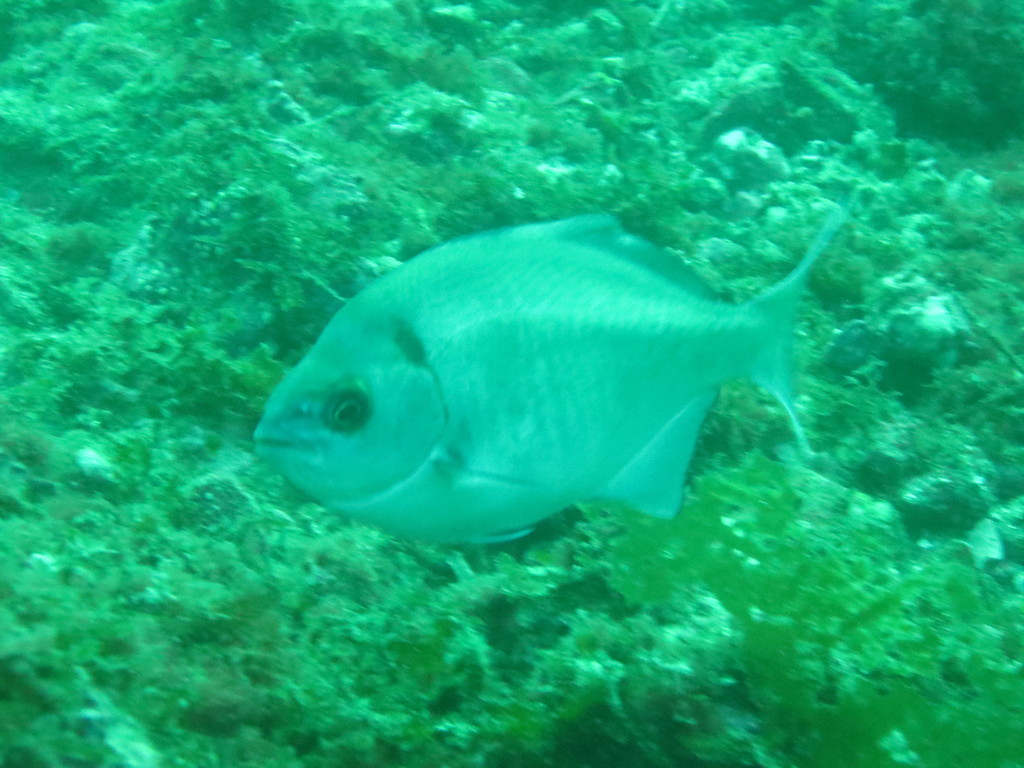
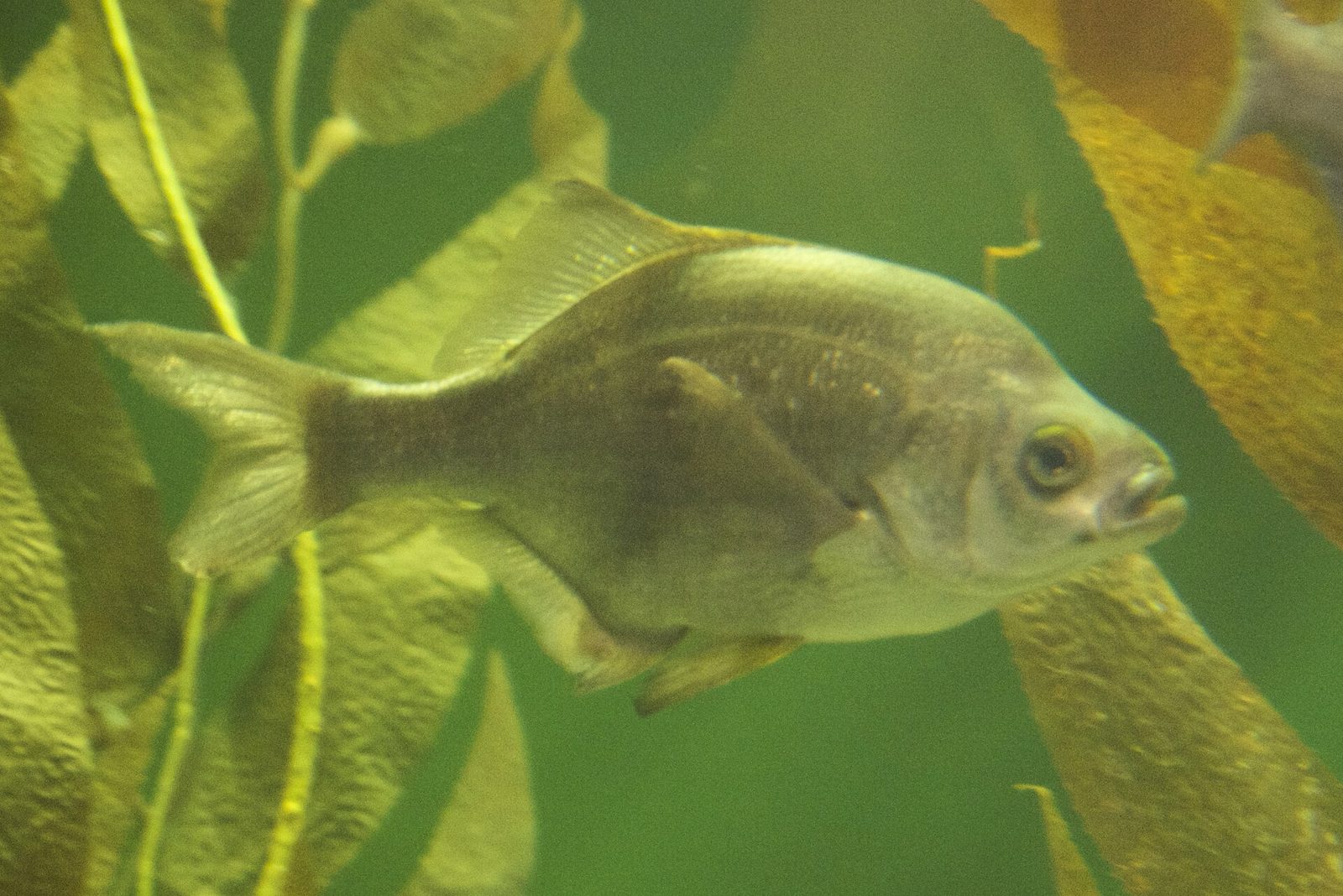
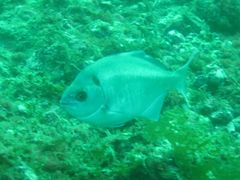 | Halfmoon22% of REEF surveys | Medialuna californiensisKyphosidae | Deep-bodied and oval, dark blue to blue-grey above fading to silver, with a dark spot above the gill opening and a gently curved tail; usually 20–36 cm. Schools high over reefs and kelp, mostly at 3–40 m (Aquarium of the Pacific). | FishBase |
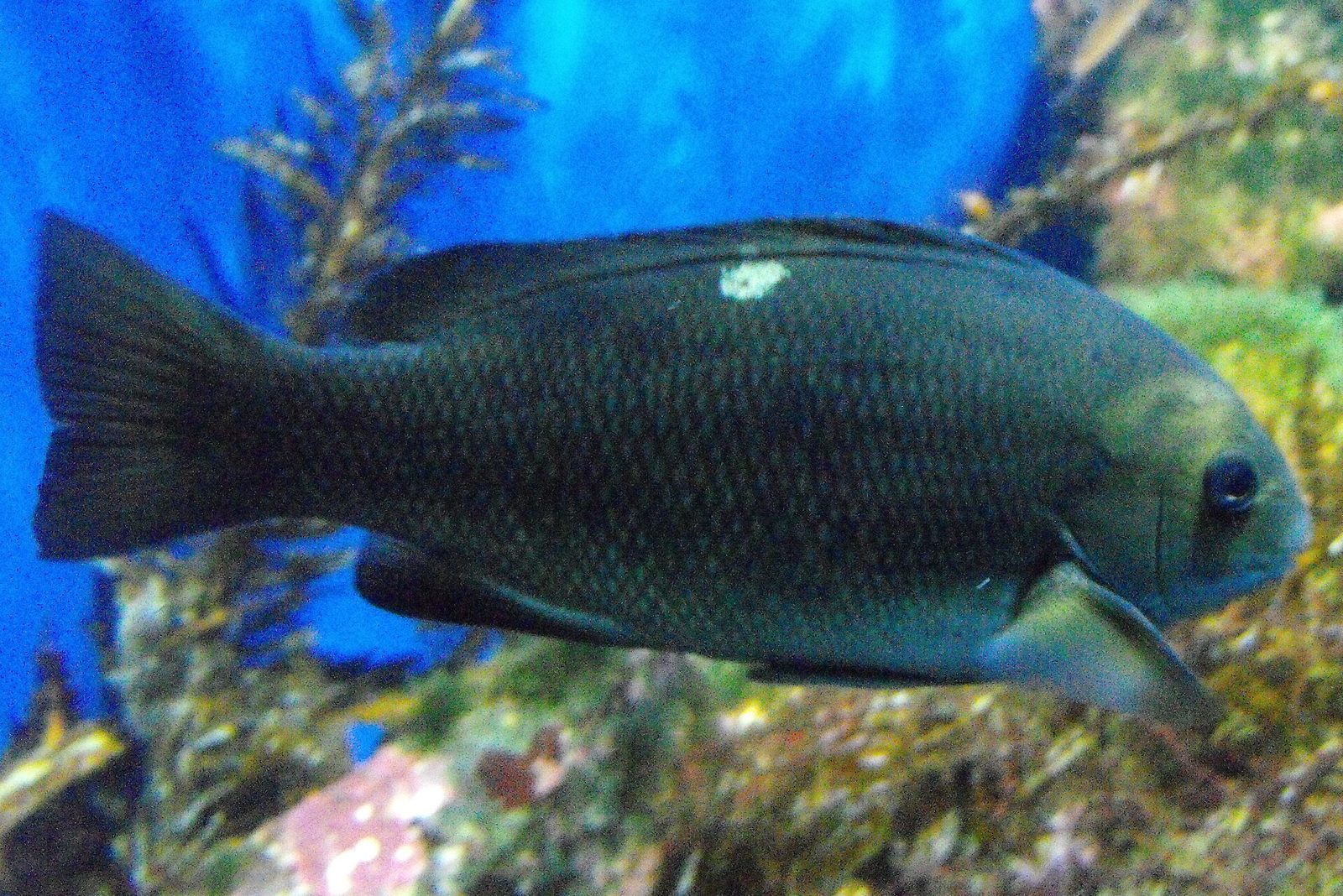
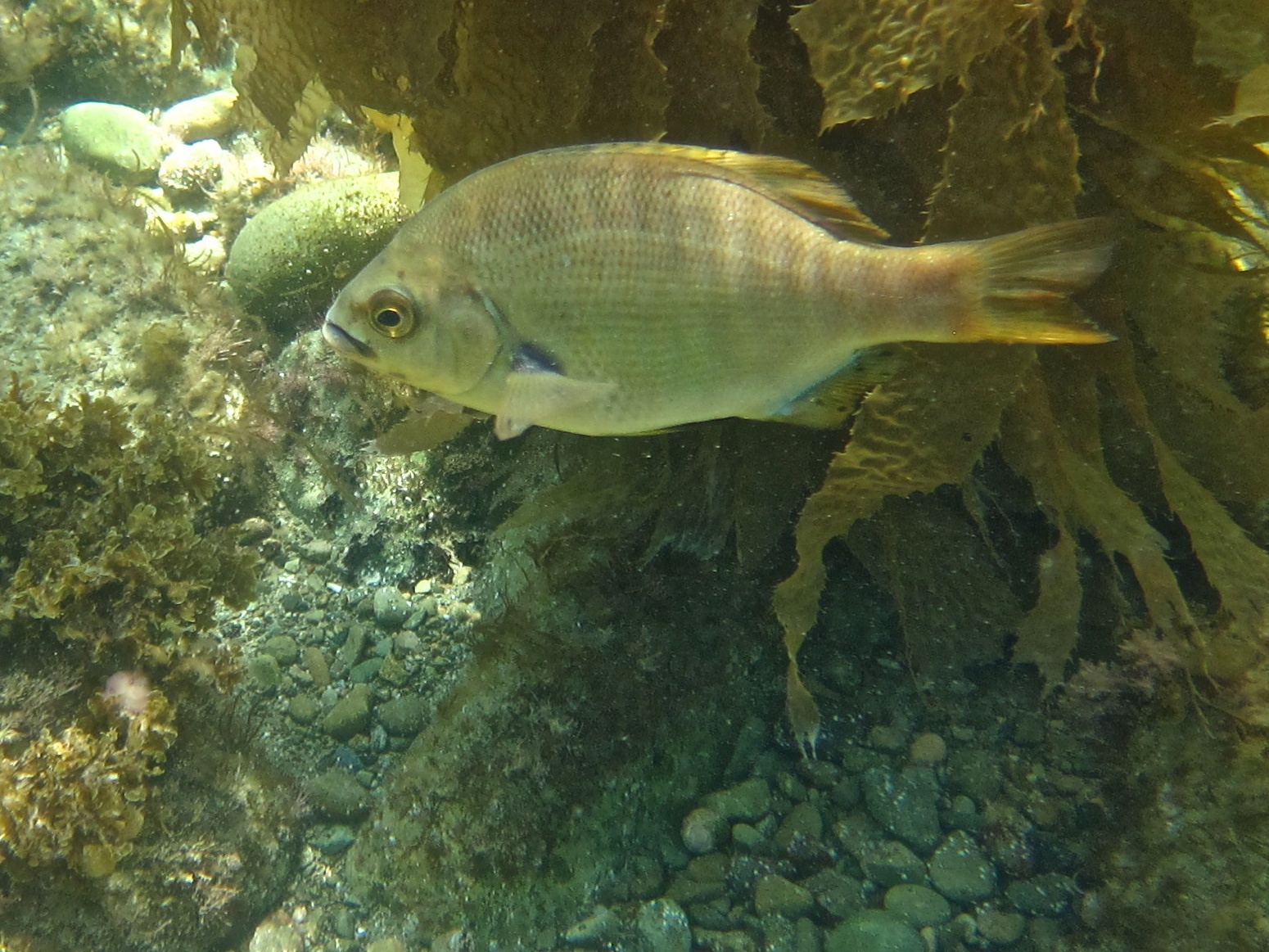
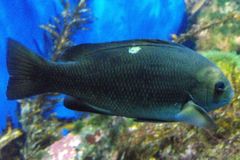 | Opaleye36% of REEF surveys | Girella nigricansKyphosidae | Olive to grey-green with opalescent blue-green eyes and usually a pair of white spots under the dorsal fin; up to about 66 cm. Mainly eats algae in shallow rocky areas and kelp (Wikipedia). | FishBase |
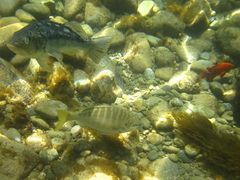 | Zebraperch5% of REEF surveys | Kyphosus azureusKyphosidae | Formerly Hermosilla azurea, the name REEF still uses. Light khaki with about ten long brown vertical bars and a blue spot on the top edge of the gill cover; up to 45 cm. Grazes red, brown and green algae on shallow rocky reefs, down to 8 m (Wikipedia). | FishBase |
| Surfperch Embiotocidae · 5 species |
|---|
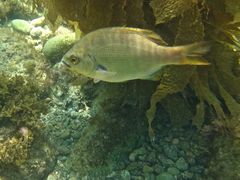 | Black perch35% of REEF surveys | Embiotoca jacksoniEmbiotocidae | Despite the name, usually reddish brown to tan with darker bars; thick yellowish lips and a patch of large scales between the pectoral and pelvic fins; up to about 38 cm. Gives birth to live young (Wikipedia). | FishBase |
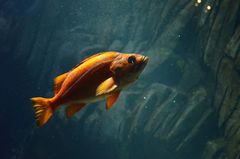 | Kelp perch19% of REEF surveys | Brachyistius frenatusEmbiotocidae | Up to 22 cm; olive-brown to coppery above the lateral line and bright below, with pale or rosy fins. Usually up in the giant kelp canopy, down to 30 m, and a cleaner that picks parasites off other fish (FishBase; Wikipedia). | FishBase |
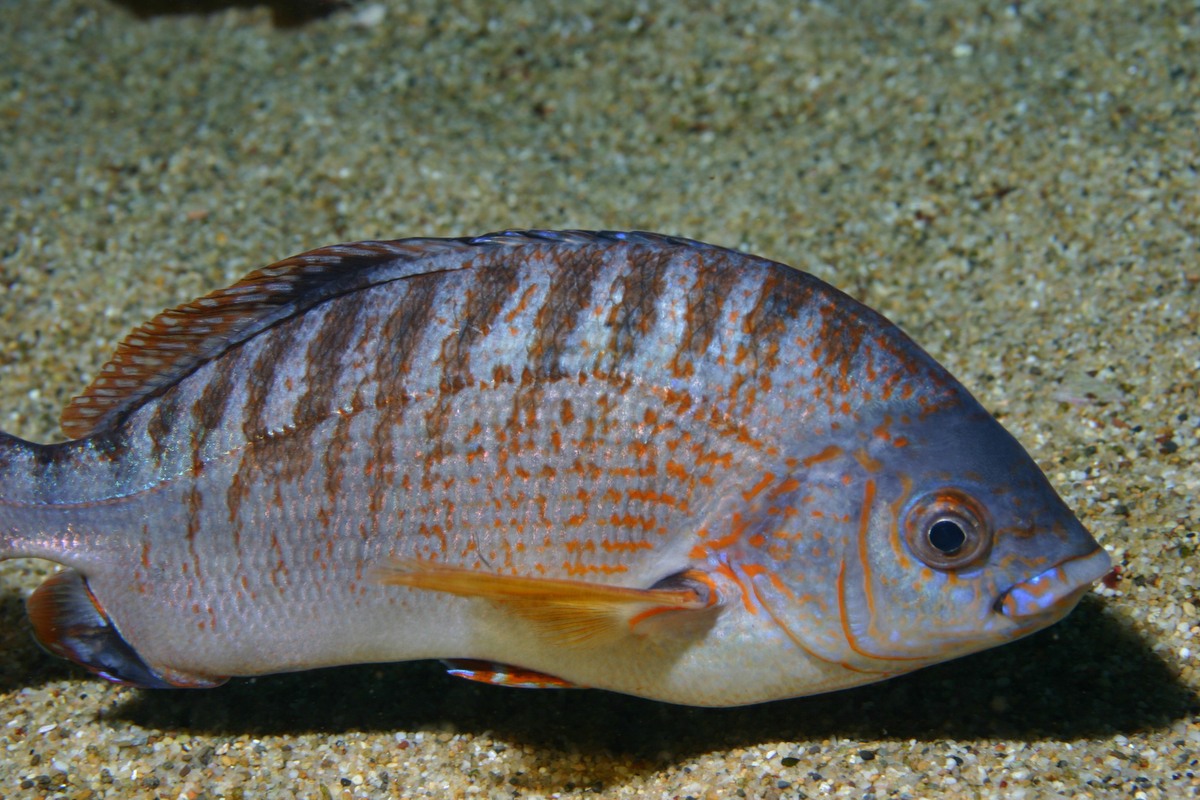
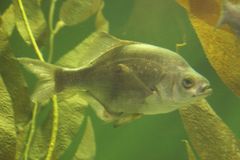 | Pile perch17% of REEF surveys | Phanerodon vaccaEmbiotocidae | Formerly Rhacochilus vacca. Up to 44 cm; dark grey or brown above with a silvery sheen on the sides and belly, darker blotches on the back and sides, and dark bars on juveniles. Around rocky shores, kelp, pilings and other structures to 46 m, crushing mussels, crabs and barnacles (FishBase). | FishBase |
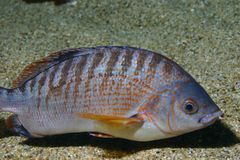 | Rainbow seaperch7% of REEF surveys | Embiotoca caryiEmbiotocidae | Formerly Hypsurus caryi (CDFW Marine Species Portal). Red bands down a grey, pink or orange body, an orange face with blue spots, and a pectoral fin edged in bright blue; up to 30.5 cm. Around rocky reefs and the edges of kelp forests to about 40 m, never in the surf zone; young ones may clean other fish (Wikipedia). | FishBase |
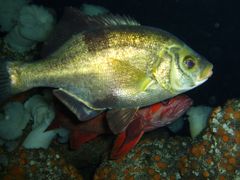 | Rubberlip seaperch11% of REEF surveys | Rhacochilus toxotesEmbiotocidae | The heaviest surfperch: up to 47 cm, with big fleshy white or pink lips, a brassy body and often a dark band down the side. A pile perch also has a band, but its lips are smaller and the front of its soft dorsal fin is much taller. From the surf zone to 50 m around reefs, kelp and piers; it feeds at night, digging in the sediment with its lips (Wikipedia). | FishBase |
| Wrasse Labridae · 3 species |
|---|
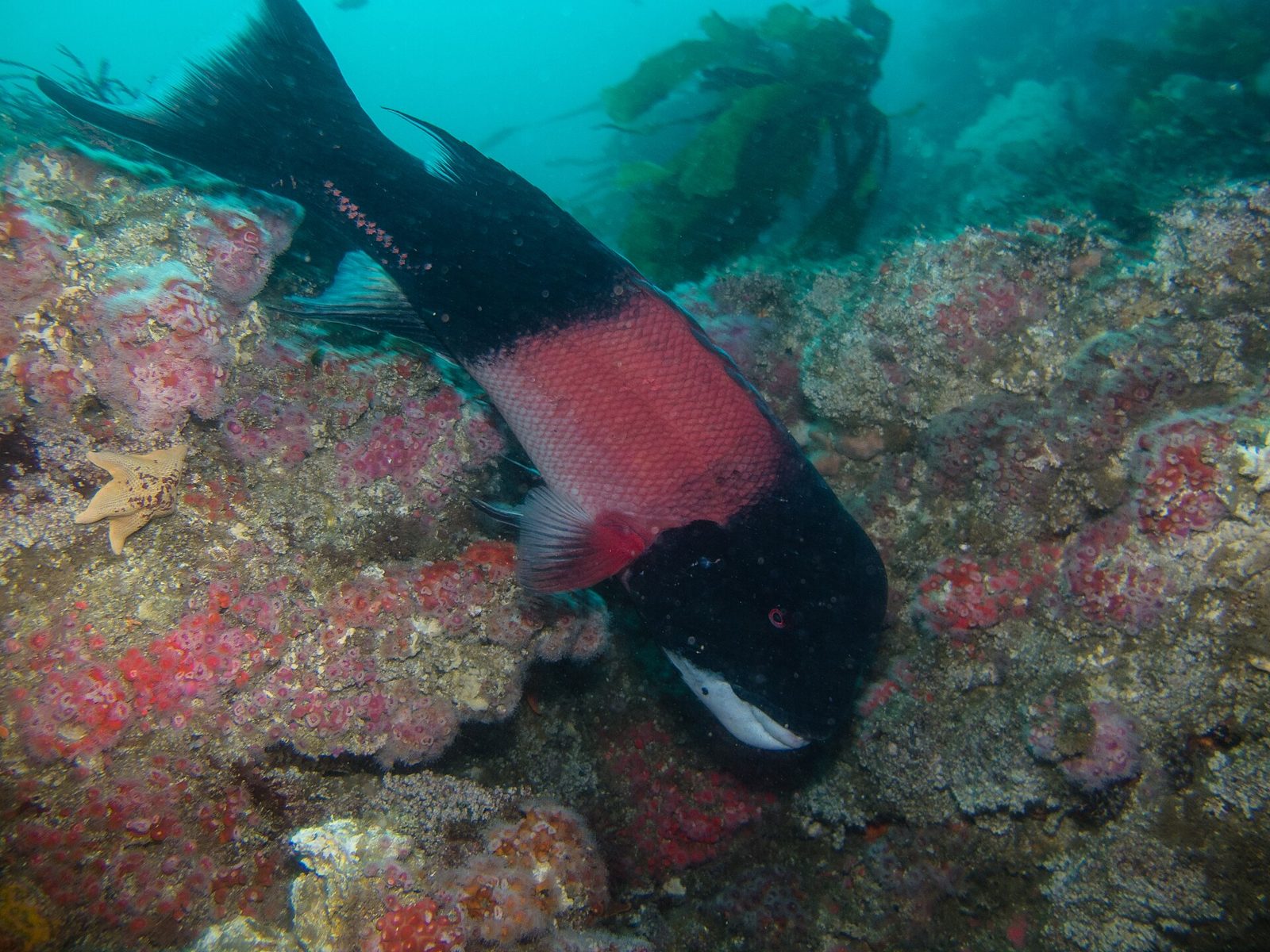
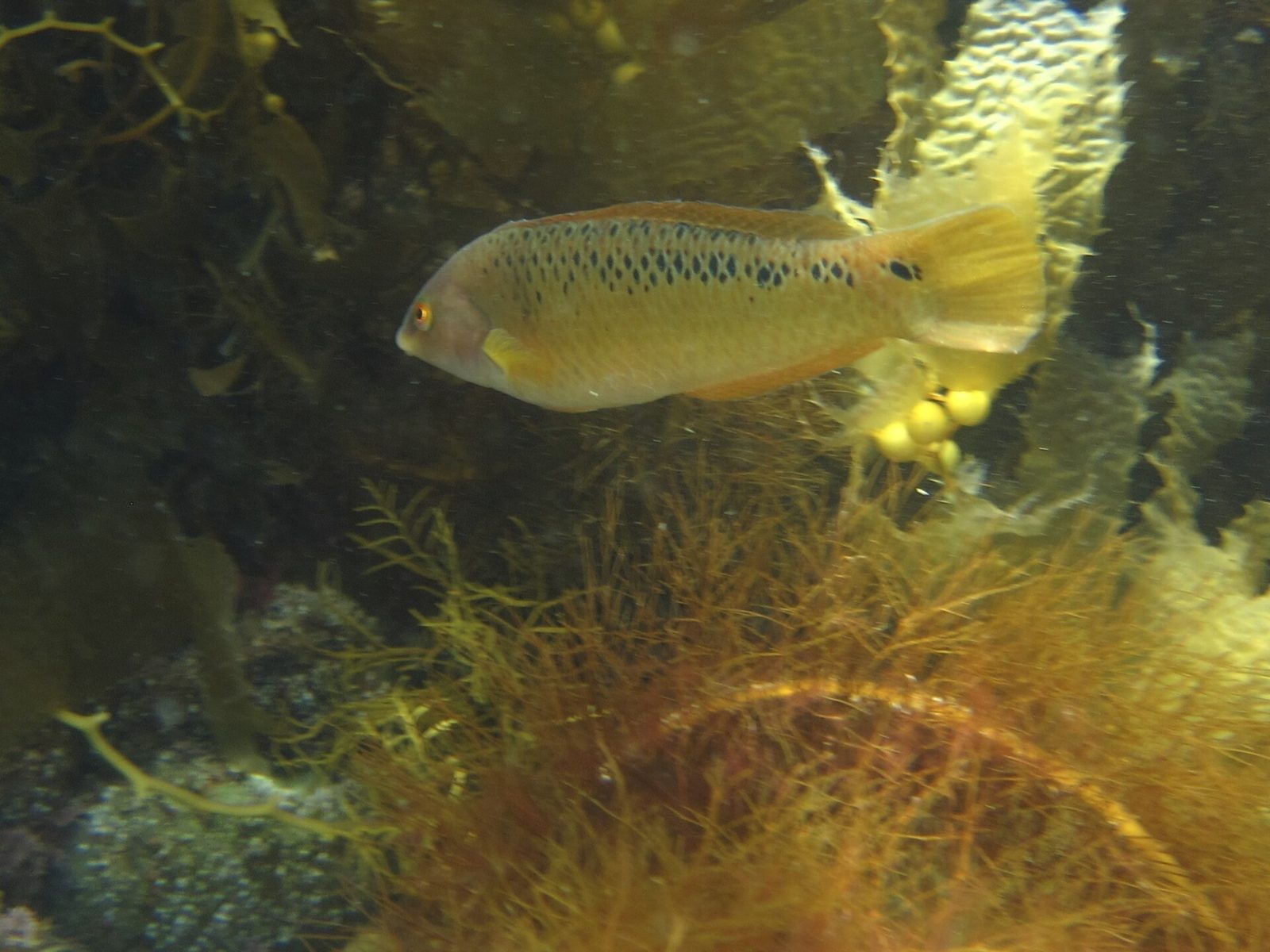
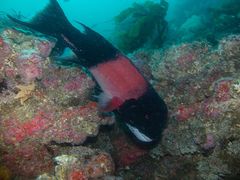 | California sheephead67% of REEF surveys | Bodianus pulcherLabridae | Formerly Semicossyphus pulcher. Males have a dark head and tail, a red-orange middle and a white chin; females are dull pink to silvery. All start as females and many turn male at about 45 cm; up to about 91 cm. Eats sea urchins, lobsters and crabs (Wikipedia). | FishBase |
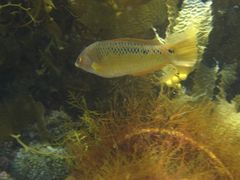 | Rock wrasse30% of REEF surveys | Halichoeres semicinctusLabridae | Up to 38 cm. Lives near rocks close to sand, darts into the sand when disturbed and sleeps buried with its head out; all start as females and turn male at about 30 cm (FishBase). | FishBase |
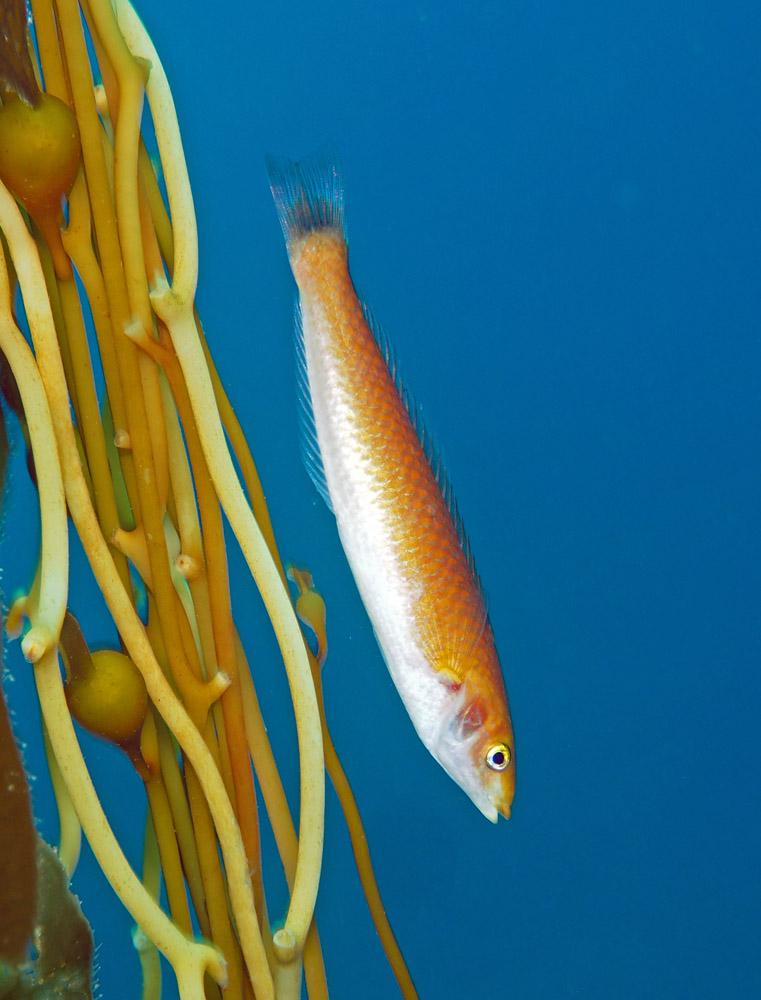
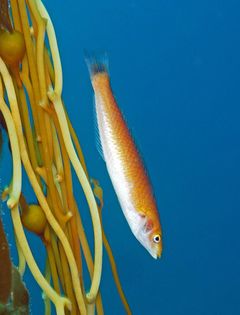 | Señorita51% of REEF surveys | Halichoeres californicusLabridae | Formerly Oxyjulis californica. Cigar-shaped, bronze-brown above and orange on the sides with a dark patch at the tail base; up to about 25 cm. It cleans parasites off other fish, and sleeps at night buried in the sand with its head out (Wikipedia; FishBase). | FishBase |
| Other Atherinopsidae, Haemulidae, Malacanthidae, Paralichthyidae, Sphyraenidae, Synodontidae · 7 species |
|---|
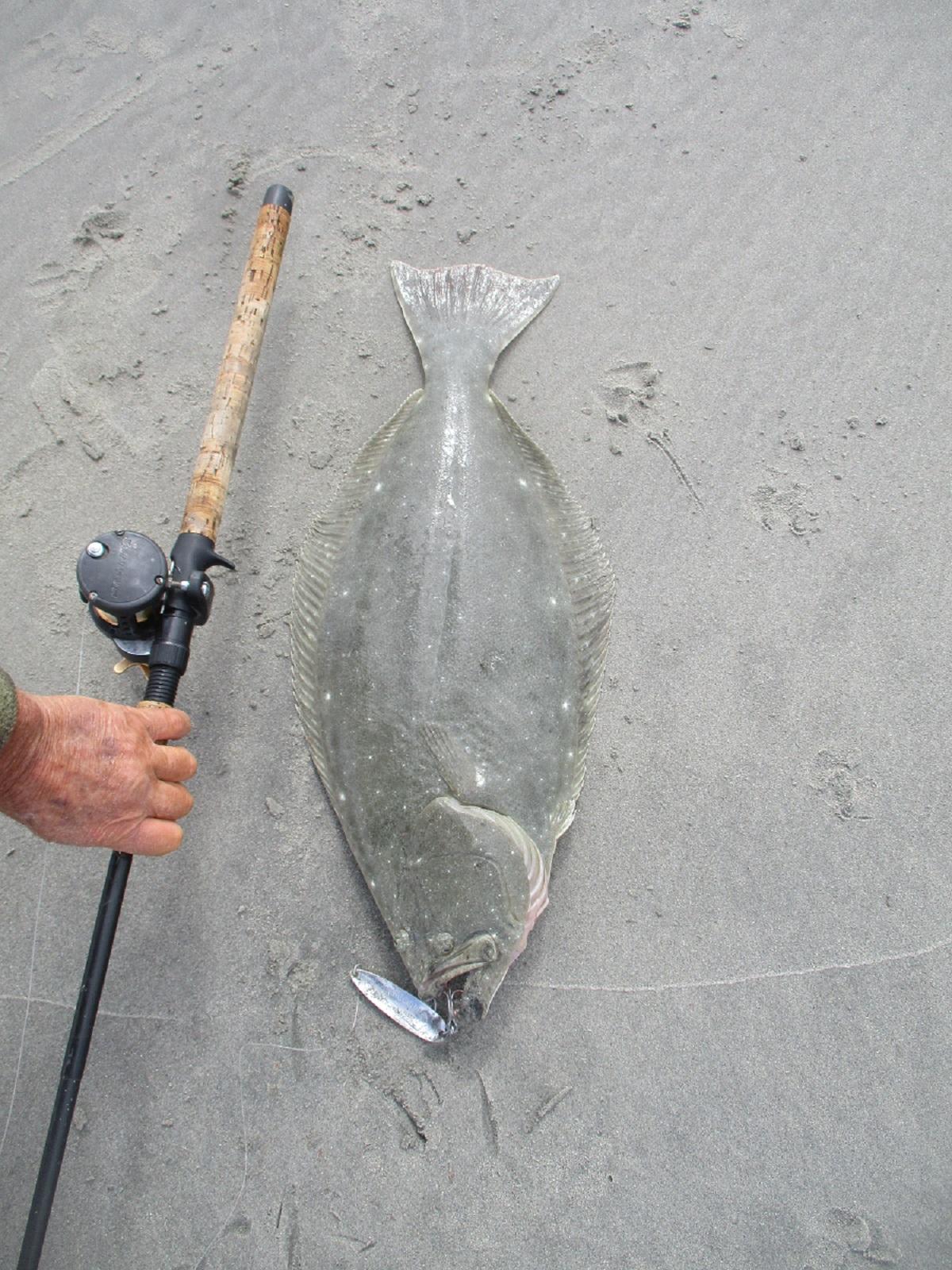
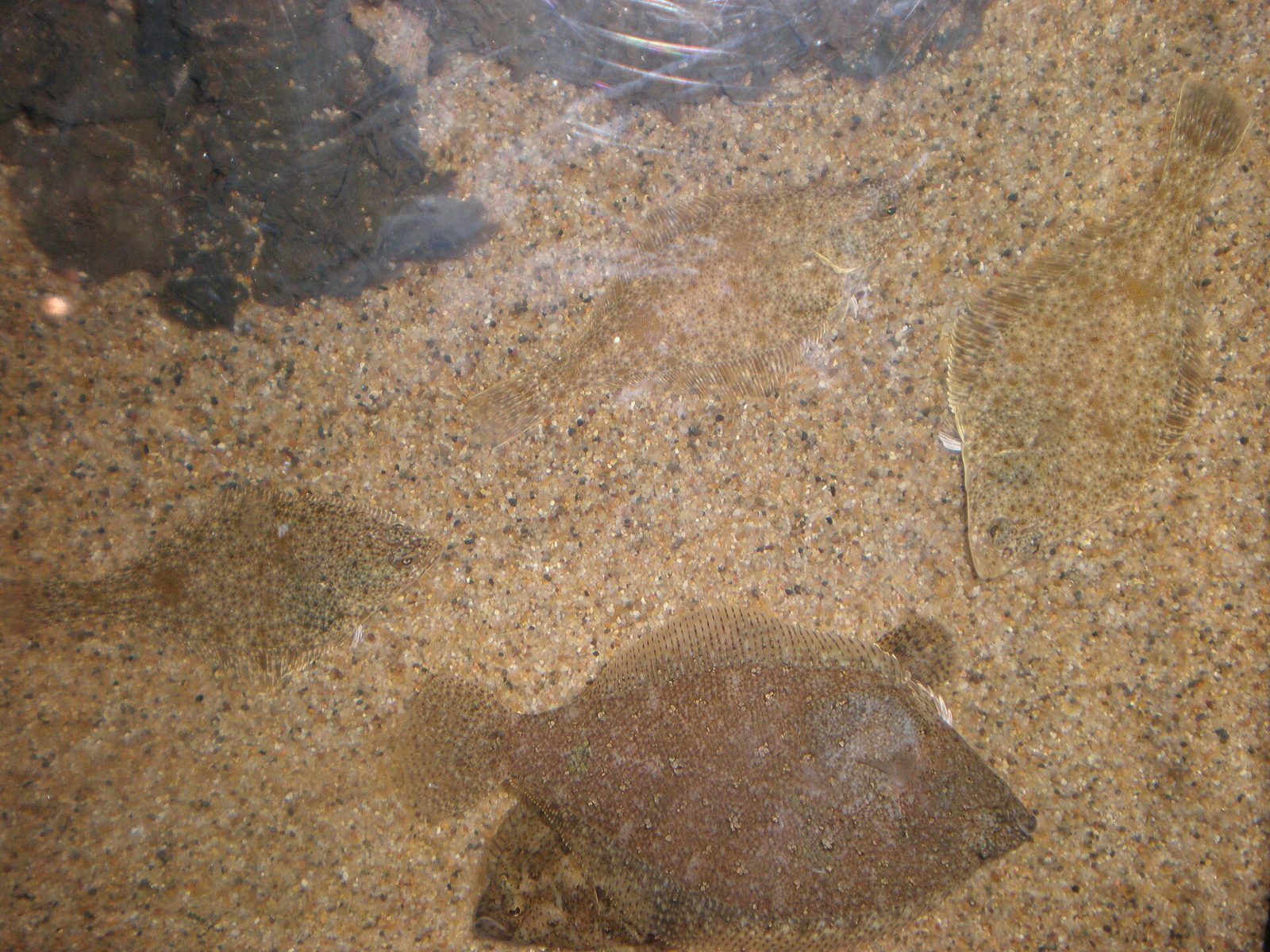
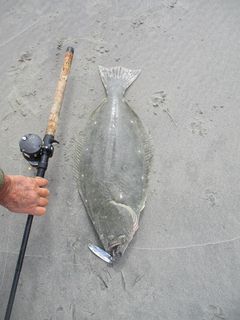 | California halibut9% of REEF surveys | Paralichthys californicusParalichthyidae | A big flatfish, usually 30–60 cm, rarely up to 150 cm, whose eyes can be on either side of the body. Hides under the sand (Wikipedia). | FishBase |
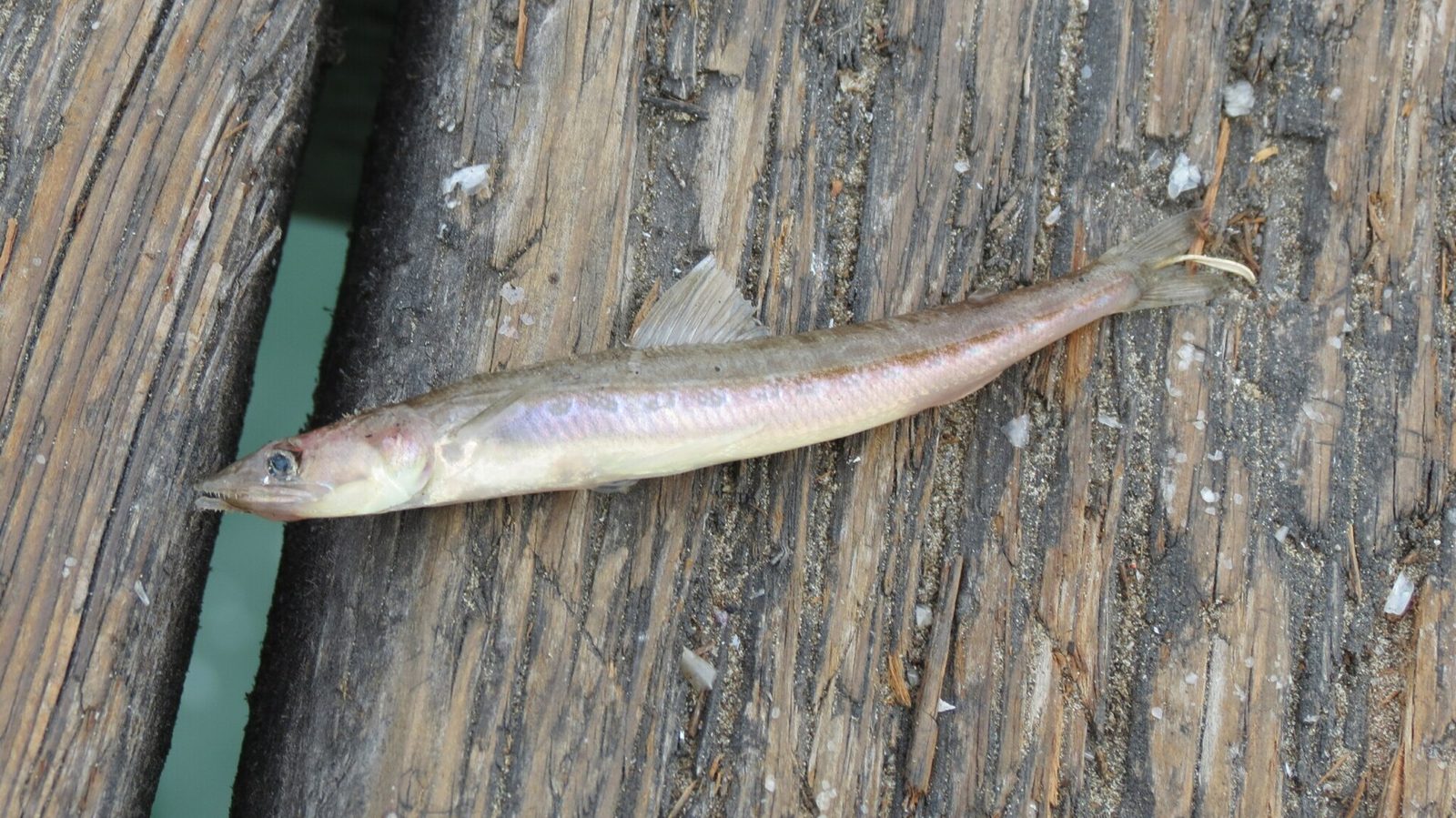
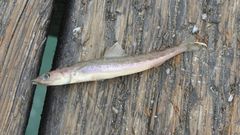 | California lizardfish9% of REEF surveys | Synodus luciocepsSynodontidae | Long and slim, plain brown on the back, tan on the sides and white below, with sharp teeth and a single dorsal fin; up to 64 cm. It rests on or half-buried in sand, propped on its pelvic fins, and darts up to swallow passing fish and squid whole (Wikipedia). | FishBase |
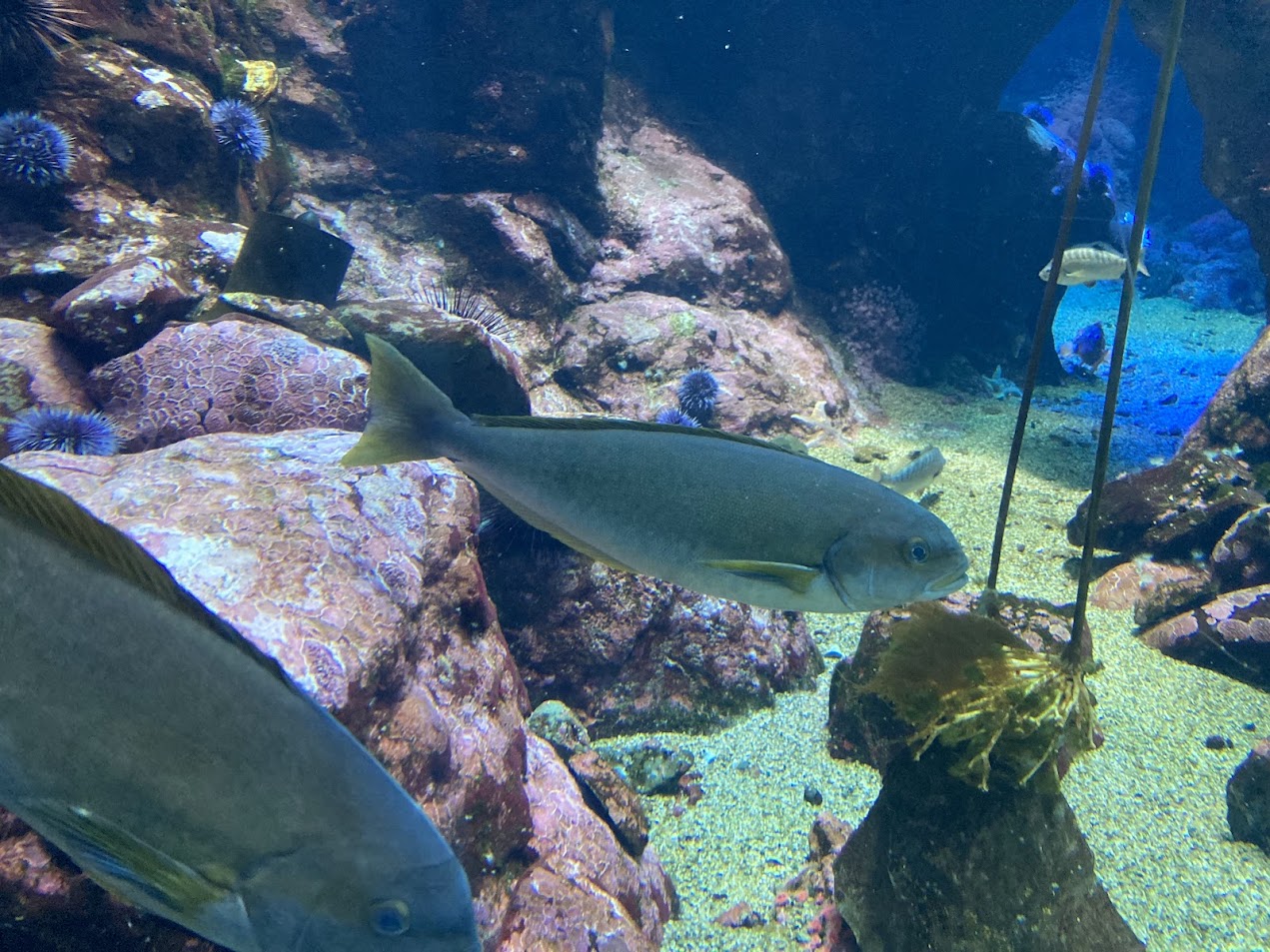
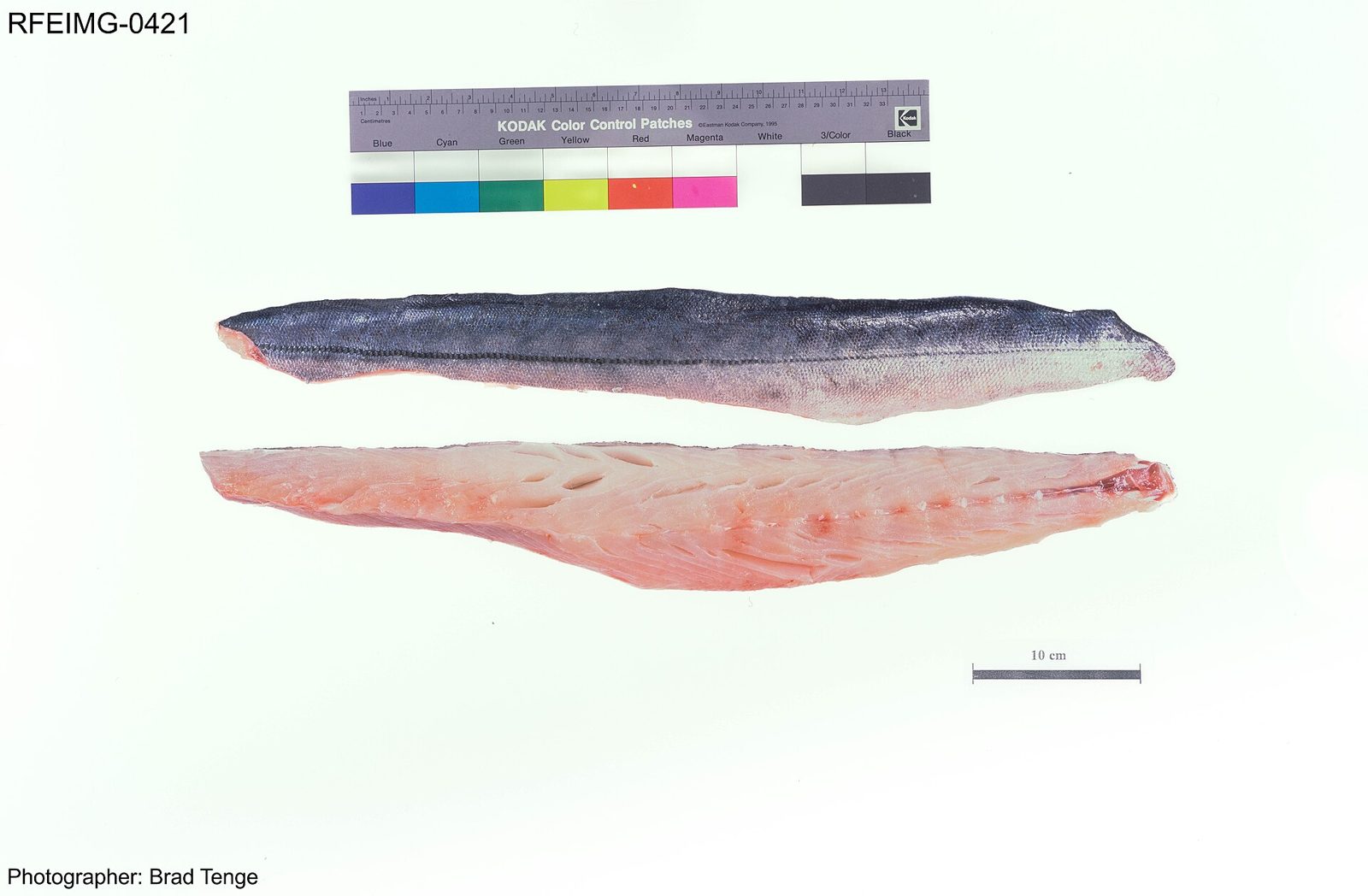
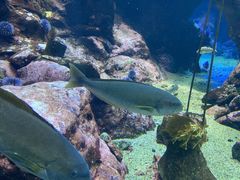 | Ocean whitefish13% of REEF surveys | Caulolatilus princepsMalacanthidae | A sturdy tilefish, pale brown with a white belly, greenish-blue and yellow pectoral fins and a yellow dorsal fin; up to about 102 cm. Digs in the bottom for food over reefs and kelp (Wikipedia). | FishBase |
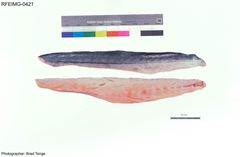 | Pacific barracuda2% of REEF surveys | Sphyraena argenteaSphyraenidae | Slender, silvery and plain, with no bars or spots; up to about 1.2 m. Swims in schools; uncommon north of Point Conception (Wikipedia). | FishBase |
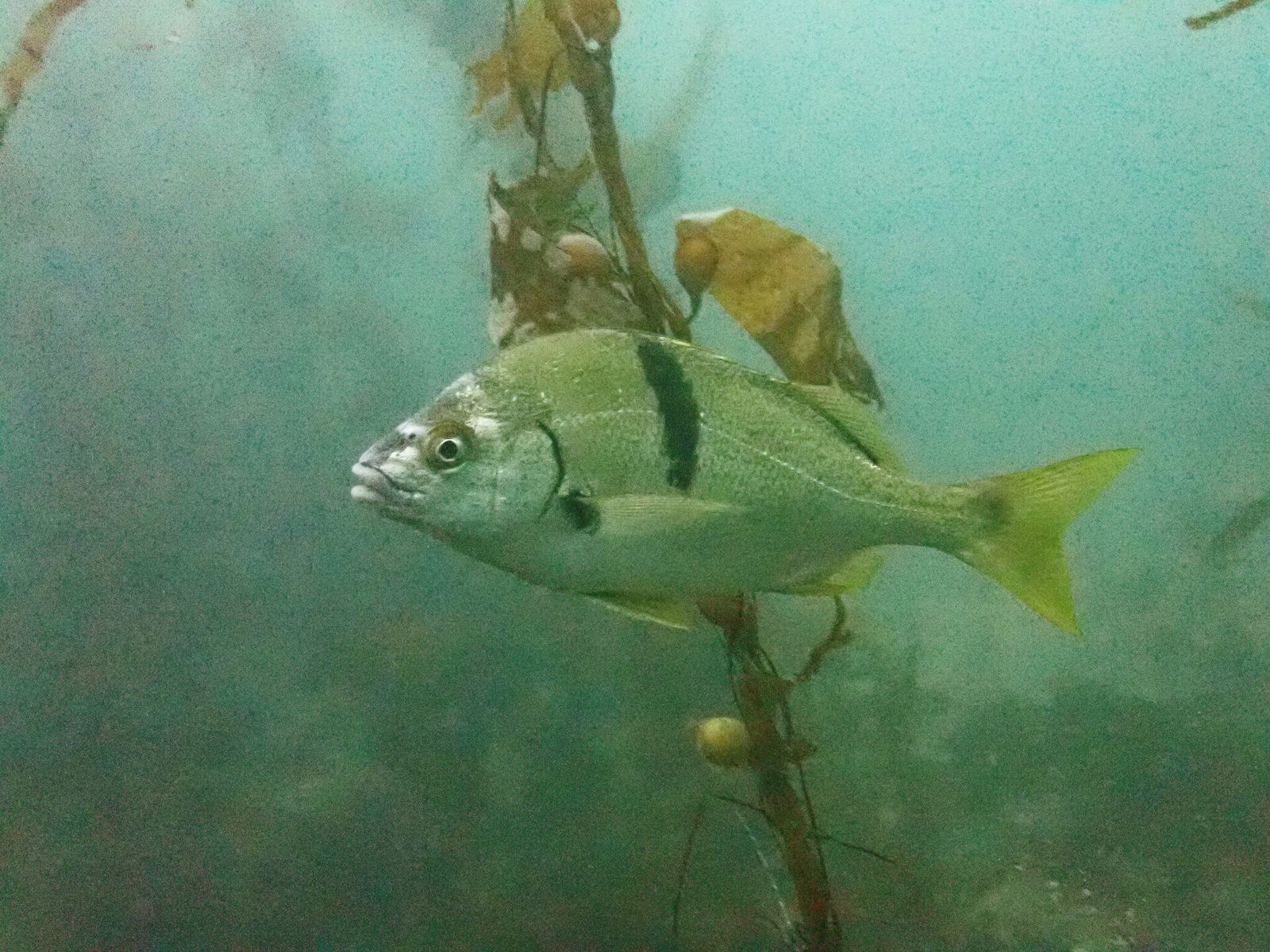
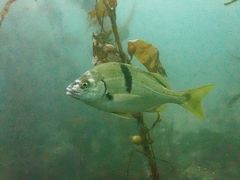 | Sargo11% of REEF surveys | Anisotremus davidsoniiHaemulidae | Deep-bodied and metallic silver, greyish above, with a dark vertical bar across the body near the pectoral fin, further forward than the bar on a pile perch (Pier Fishing in California). Up to 58 cm; on rocky reefs, often near kelp, mostly in the top 8 m; the young school in tide pools (FishBase). | FishBase |
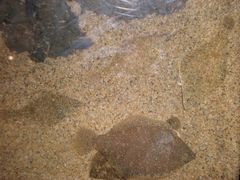 | Speckled sanddab29% of REEF surveys | Citharichthys stigmaeusParalichthyidae | A small flatfish, up to 17 cm, with both eyes on the left side: dull brown or tan above, males often mottled with orange spots. It changes its look to match the sand, on sandy bottoms from near shore to 350 m (Wikipedia). | FishBase |
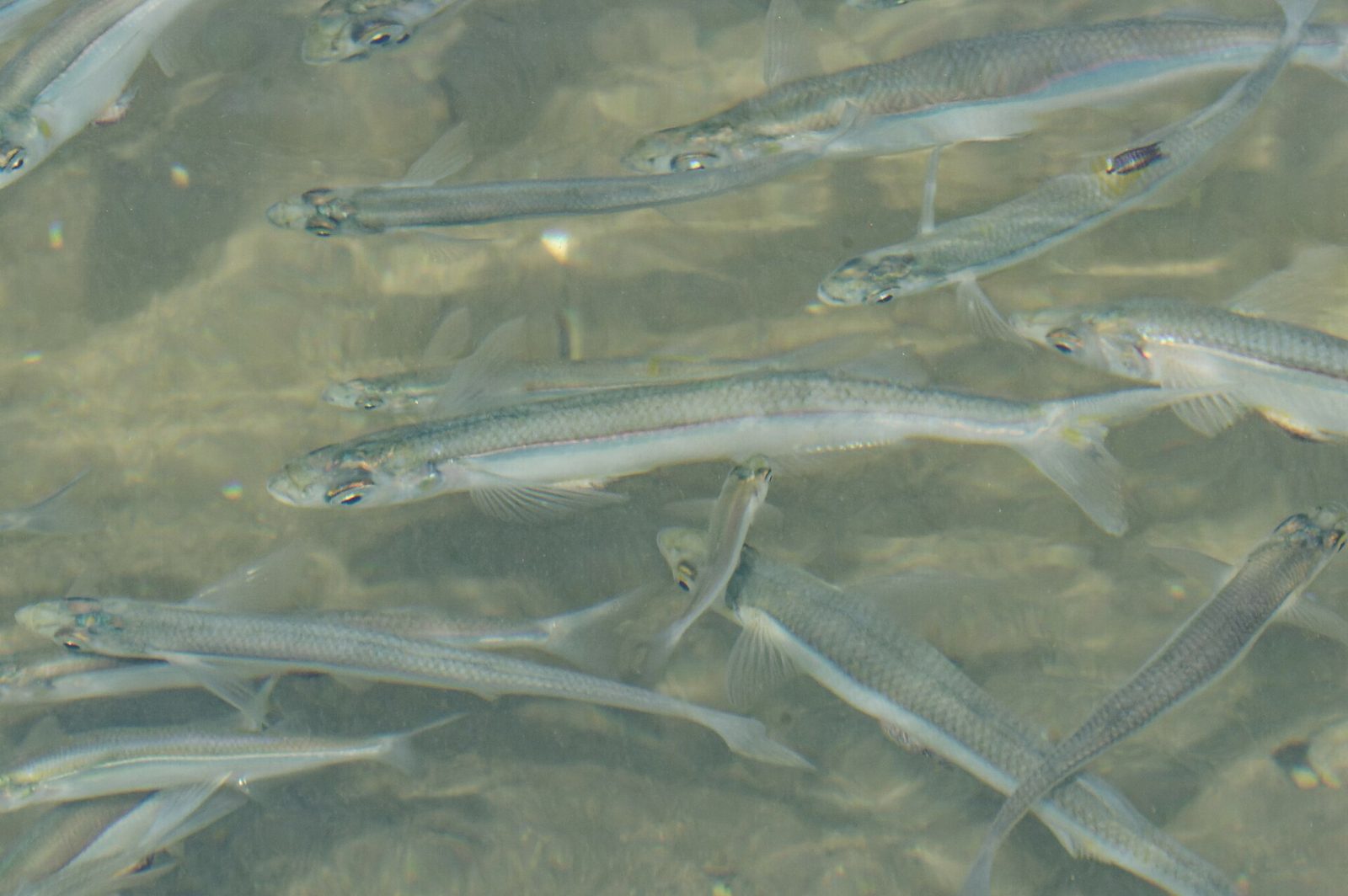
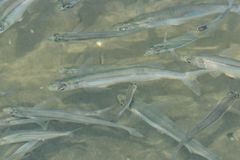 | Topsmelt7% of REEF surveys | Atherinops affinisAtherinopsidae | A slim schooling silverside, bright green on the back and silver below, up to 37 cm. Mostly in the top 9 m, along shores, in kelp forests and around pier pilings (Wikipedia). | FishBase |